The Volcano Route
Legends that live in the shadow of Popocatépetl and Iztaccíhuatl. Faceless riders, ash sentinels, and lamenting forests.
State
Era
Category
Colonial Era · 16th Century
Xochimilco · Mexico City
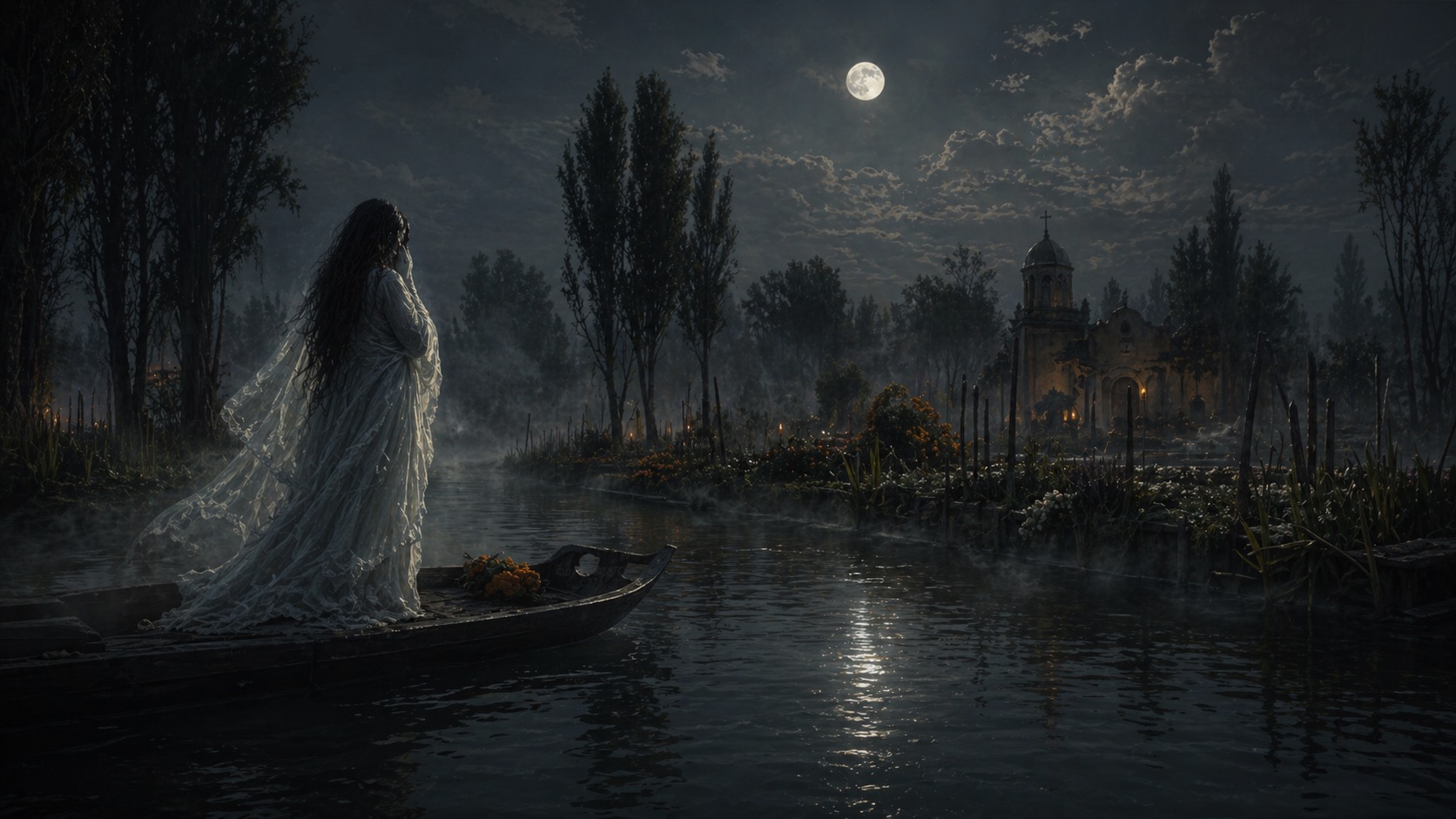
On full-moon nights, a chilling lament cuts across the canals of Xochimilco. It is the Wailing Woman, the mother who drowned her children in despair and now wanders forever searching for them over the black water.
Read full legend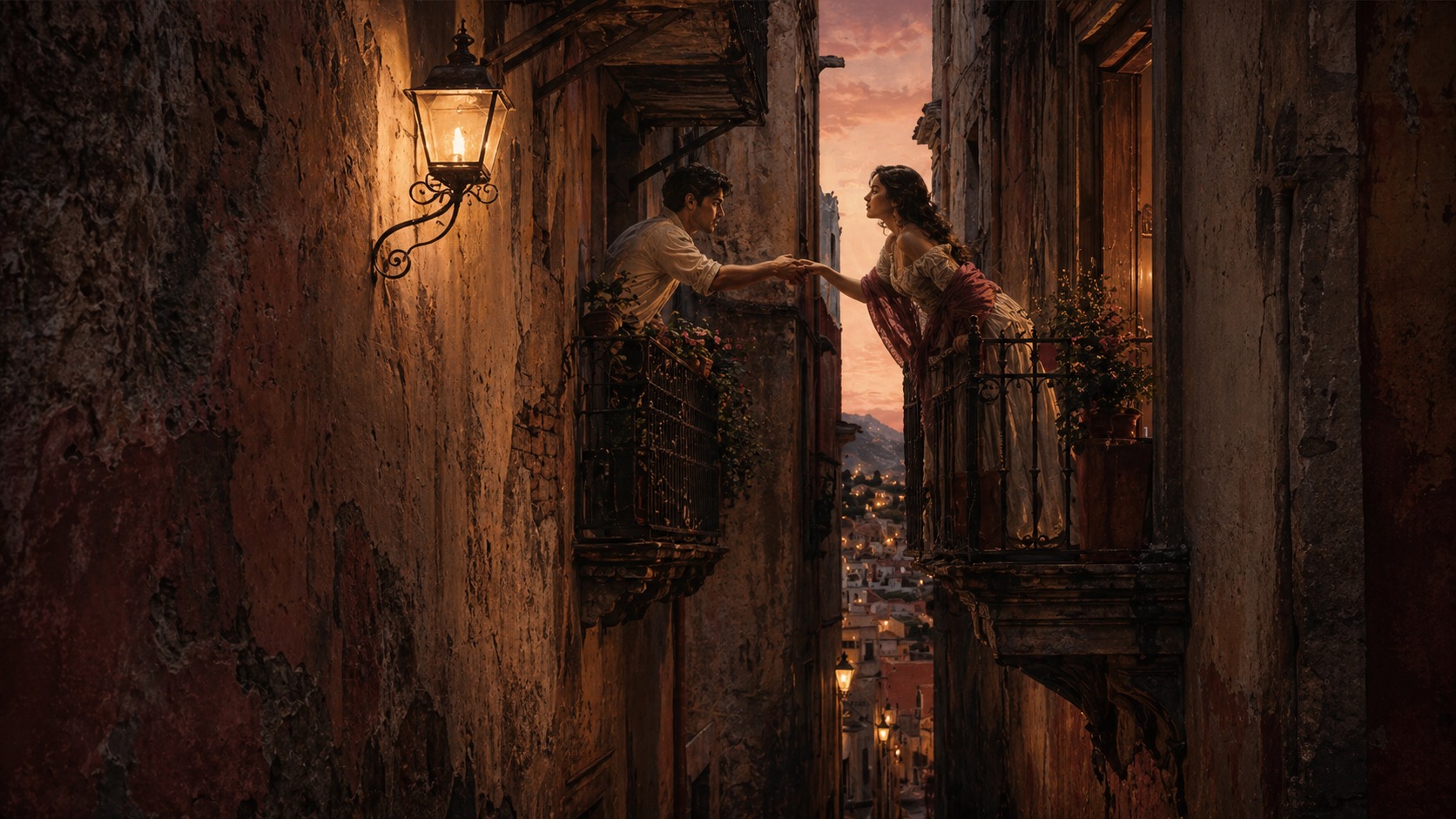
Colonial Era · 18th Century
Guanajuato · Guanajuato
The narrowest alley in the city witnessed the forbidden love of Dona Carmen and Don Carlos. Two balconies stood so close that a single step could bridge them. Tragedy parted them, but their story remained engraved in colonial stone.
Read full legend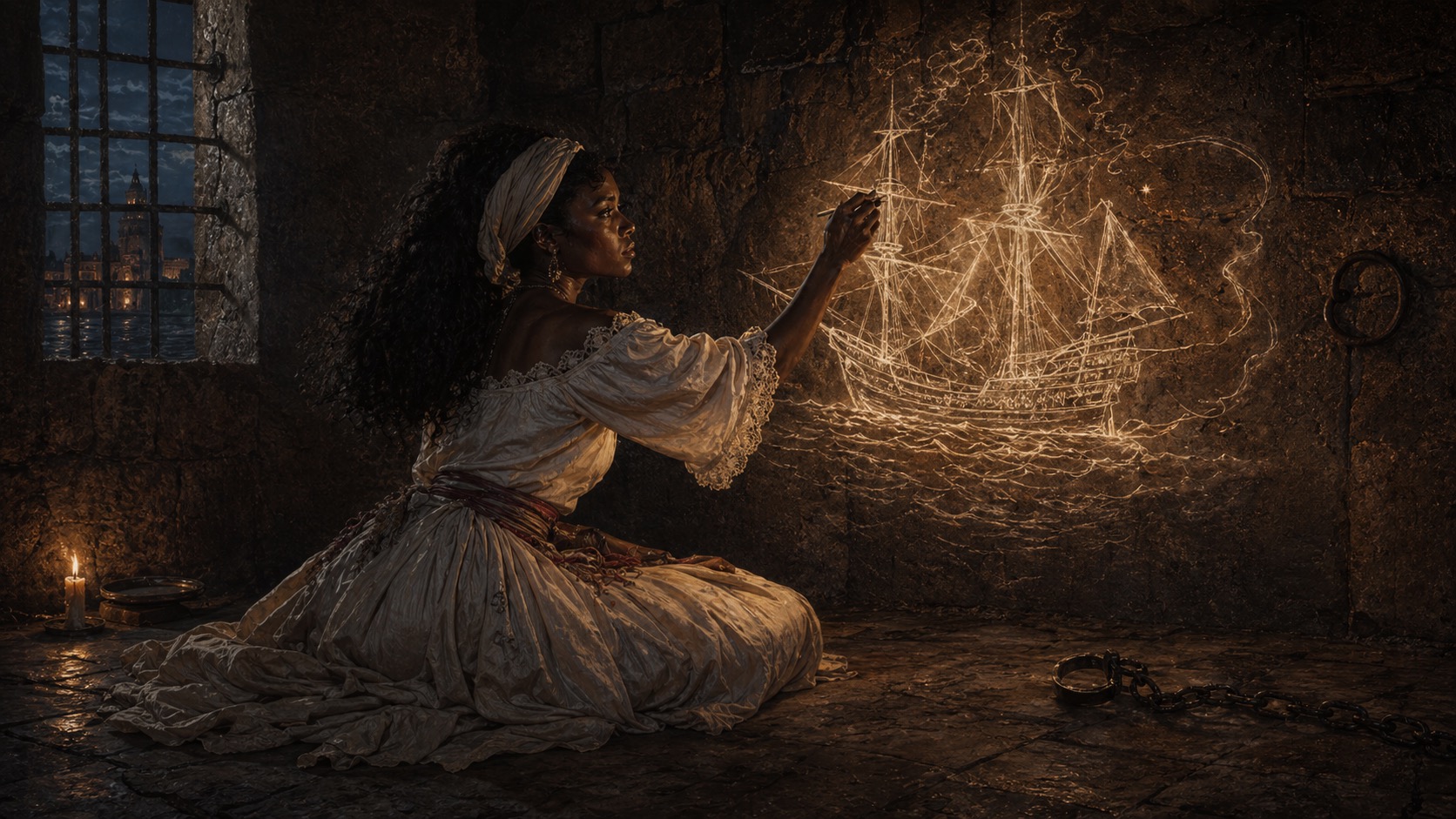
Colonial Era · 17th Century
Córdoba · Veracruz
Accused of witchcraft by the Holy Inquisition, the Mulata of Cordoba was locked in the darkest cell. On the night before her execution, she drew a ship on the wall and escaped in it forever. No one ever saw her again.
Read full legend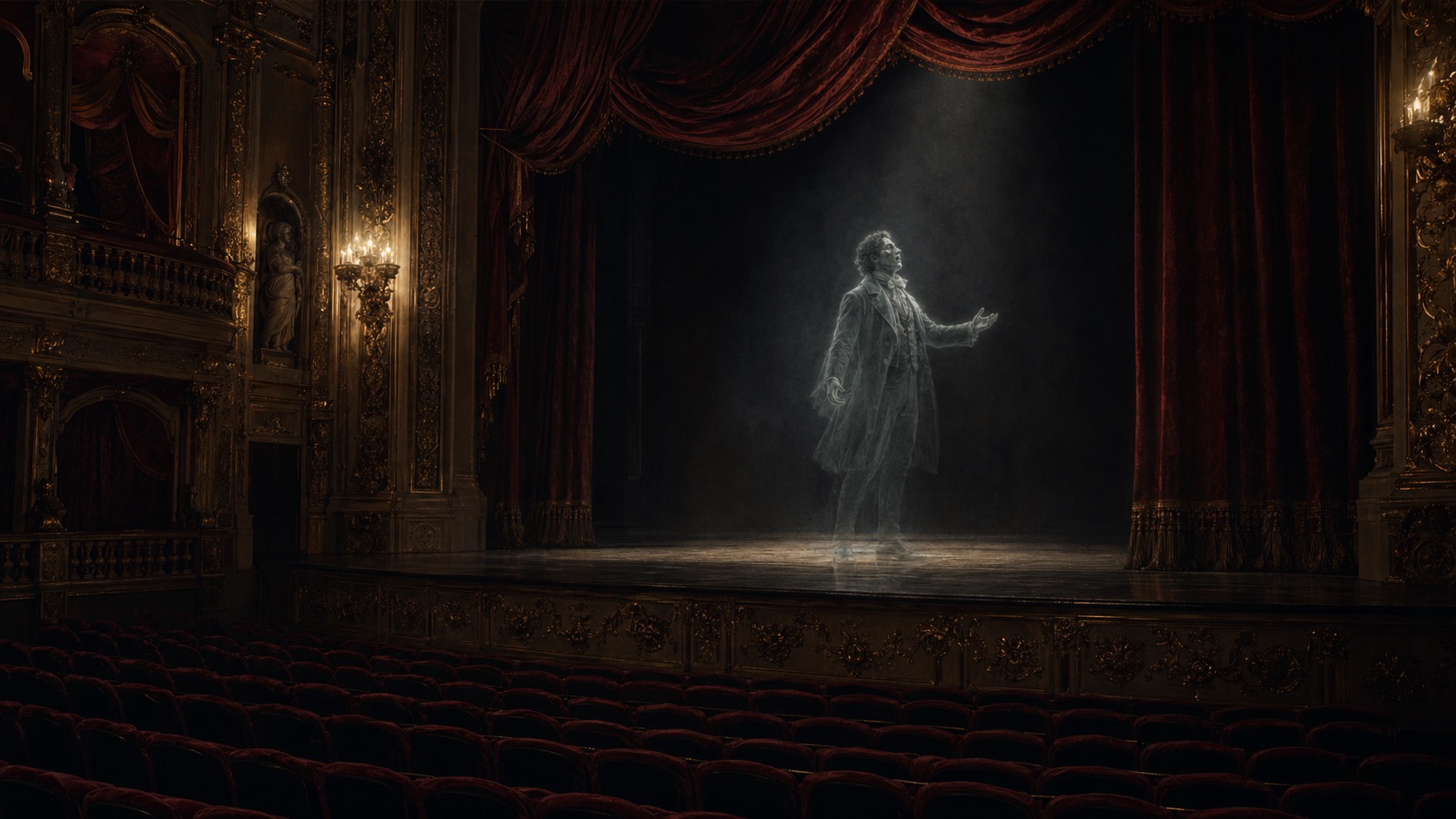
19th Century
Guadalajara · Jalisco
A tenor who died in the middle of an opera performance never truly left the stage. Employees of Teatro Degollado swear they still hear footsteps backstage and see a silhouette rehearsing its favorite aria on opening nights.
Read full legend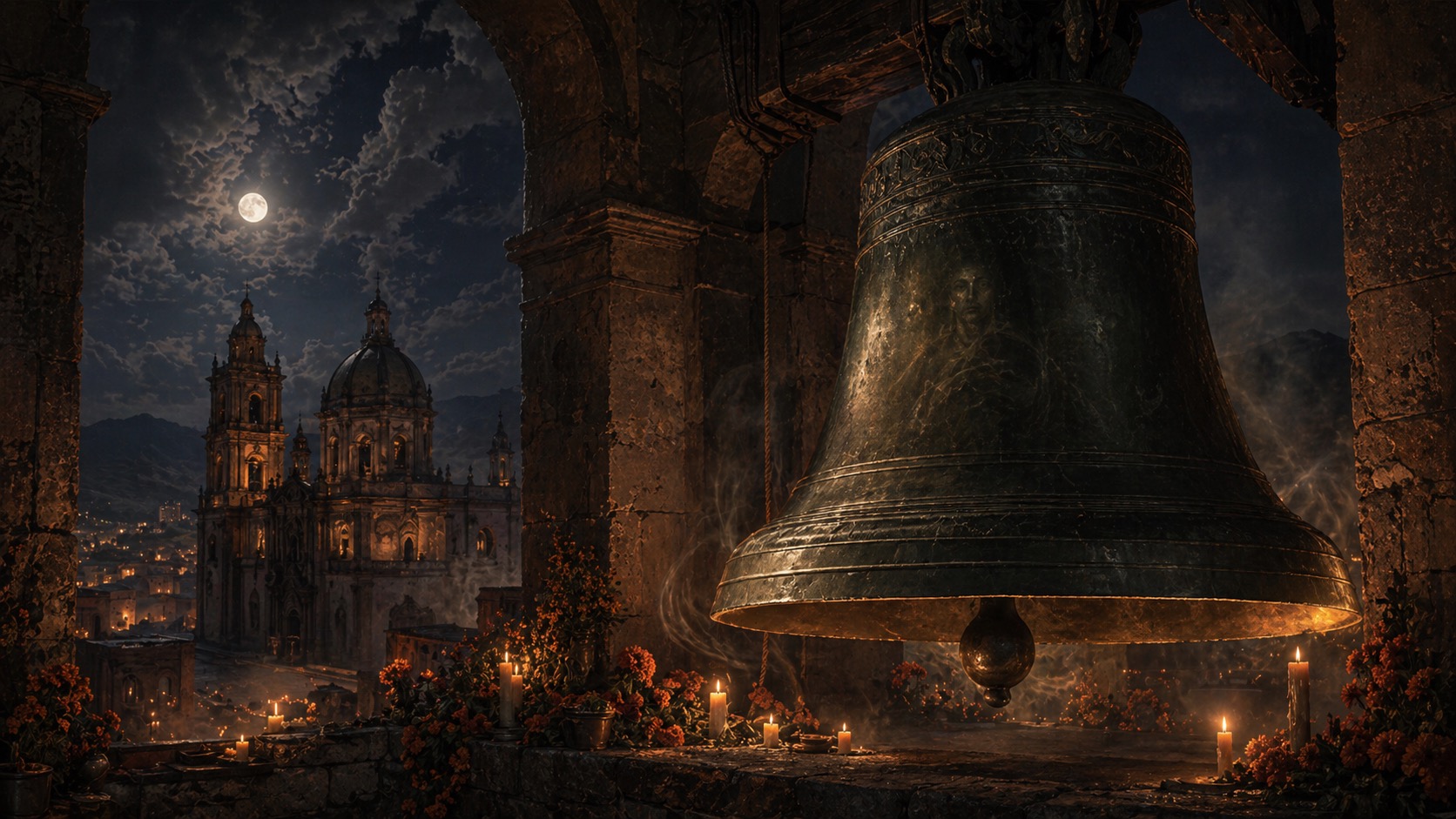
Colonial Era · 18th Century
Oaxaca de Juárez · Oaxaca
The great bell of Oaxaca Cathedral was cast from gold stolen by a corrupt priest. Ever since, it tolls by itself on the nights of Day of the Dead, and those who hear it say they can detect the trapped soul lamenting inside the bronze.
Read full legend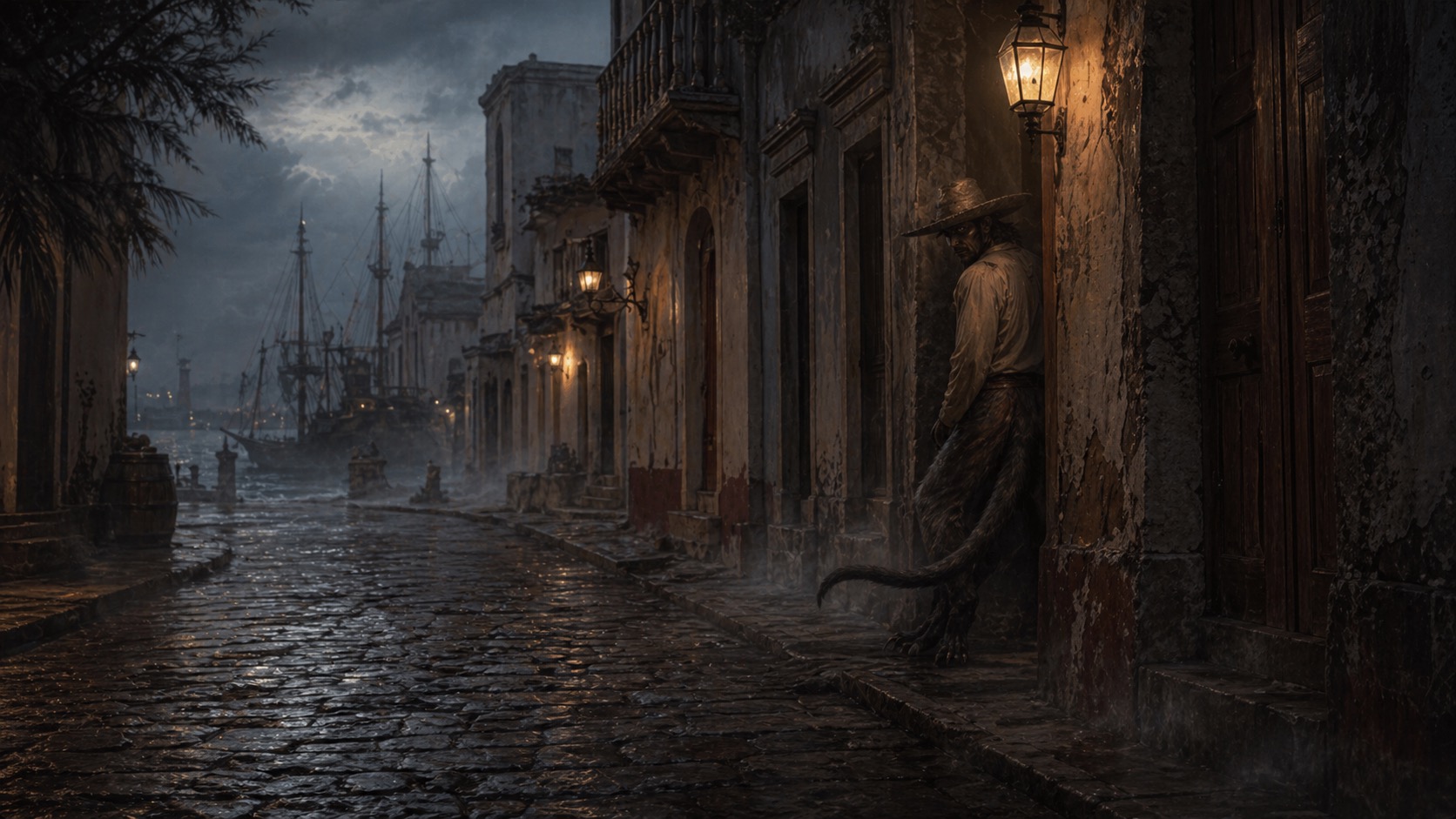
Pre-Hispanic Tradition · Living
Veracruz · Veracruz
In the old neighborhoods of the port, certain healers are said to possess the terrible gift of turning into animals at nightfall. Residents of La Huaca claim they have seen shadows changing shape beneath the sea fog of early morning.
Read full legend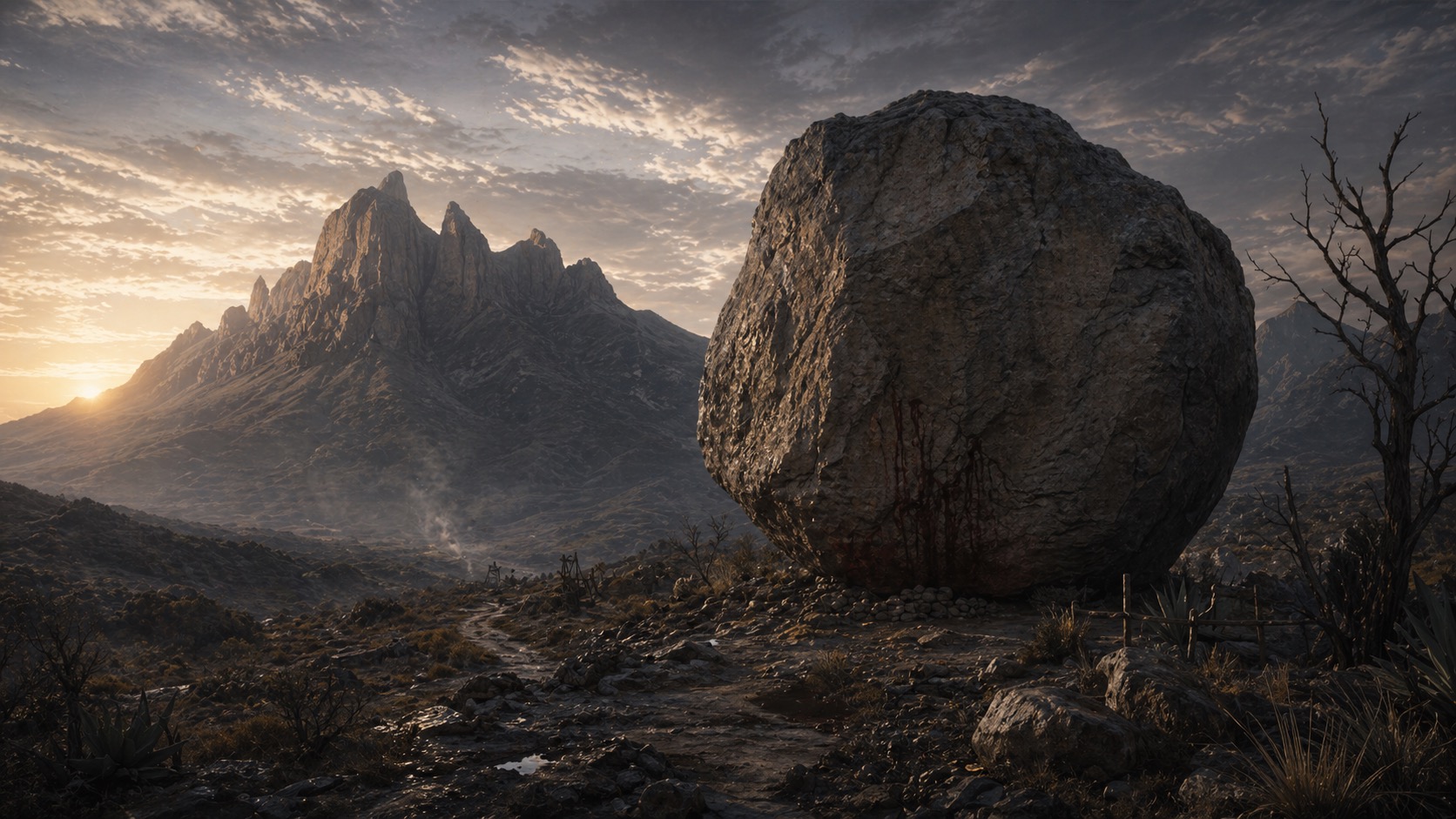
Popular Tradition · 19th Century
Monterrey · Nuevo León
On the slopes of Cerro de la Silla stands an enormous rock no one can explain. Locals say the Devil dropped it at dawn when the rooster crowed before he could complete his bargain with a miner who had sold his soul.
Read full legend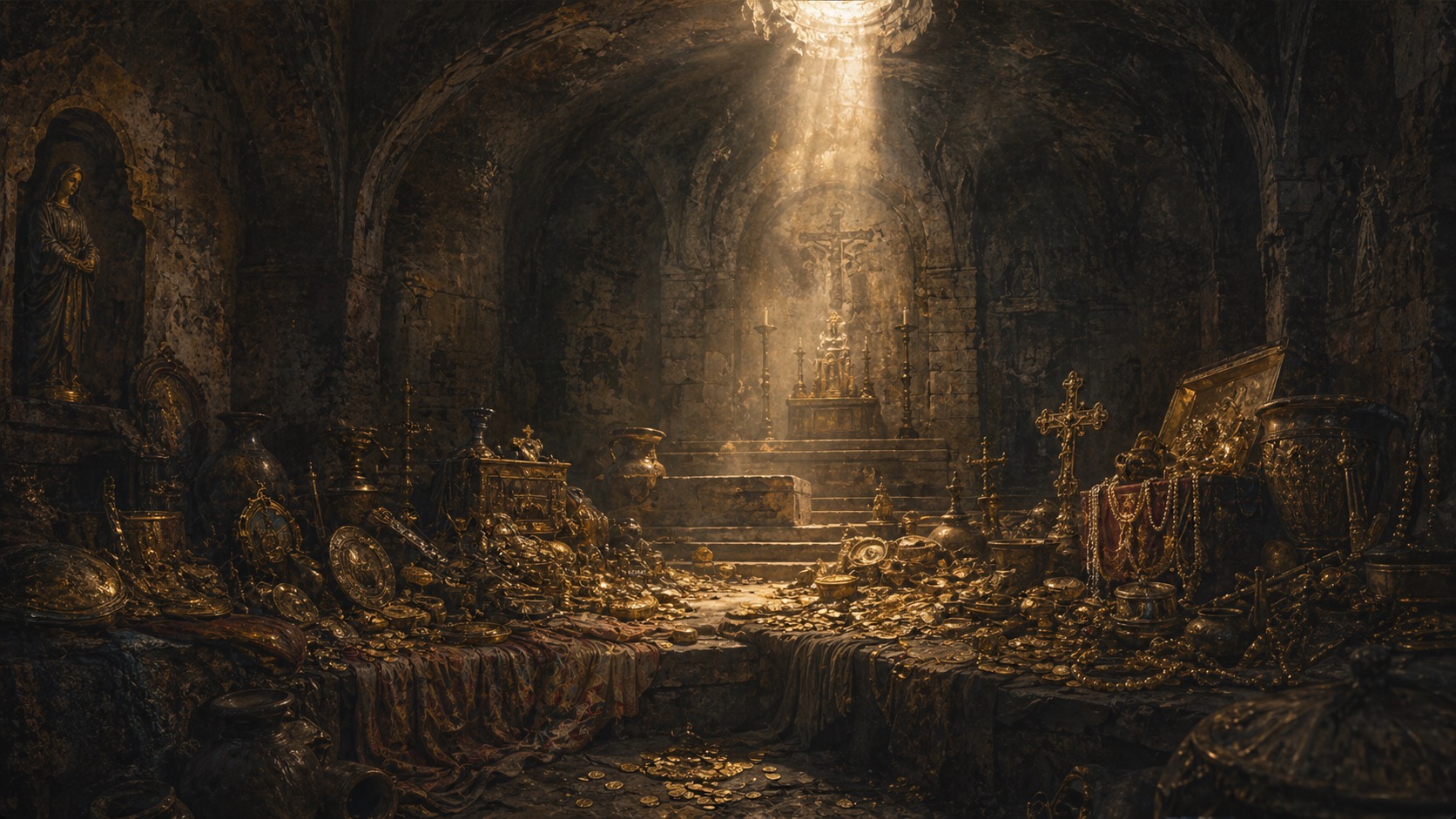
Cristero War · 1926–1929
Silao · Guanajuato
Beneath the monumental Christ the King statue on Cerro del Cubilete, local lore places underground chambers filled with the gold the Cristeros hid during the war. Those who have gone looking for them never return unchanged.
Read full legend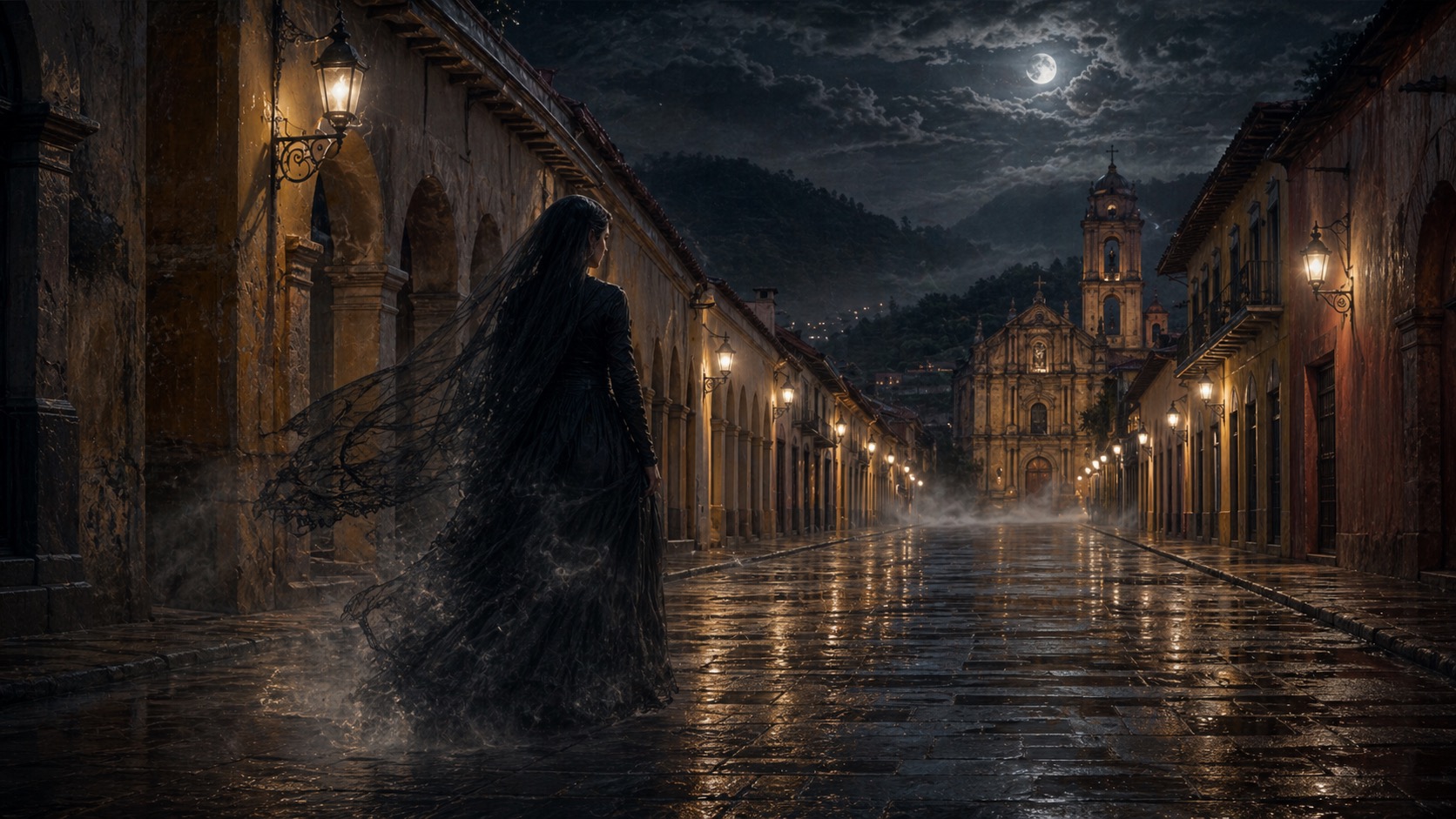
Colonial Era · 19th Century
San Cristóbal de las Casas · Chiapas
Every Friday night, a mourning woman appears along Andador Guadalupano. Tzotzil elders say she is the spirit of a mestiza woman cast out by her family for loving an Indigenous man. She walks and disappears before the first bell toll.
Read full legend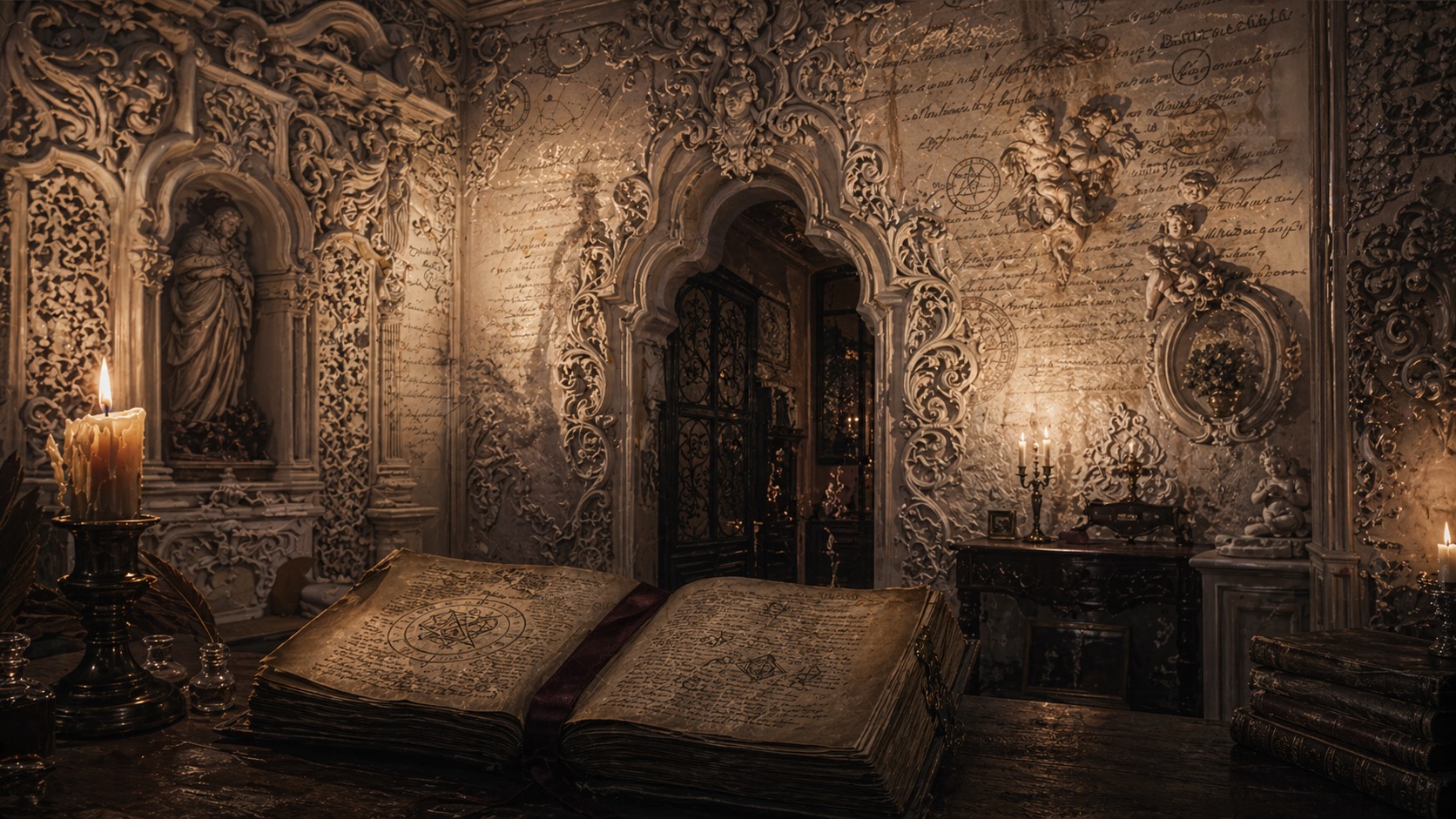
Colonial Baroque · 18th Century
Puebla de Zaragoza · Puebla
The delirious white plaster ornamentation that covers this baroque jewel is said to be more than decorative excess. Local tradition claims the architect designed it as the visible pages of a grimoire, legible only to someone who knows the Devil's code.
Read full legend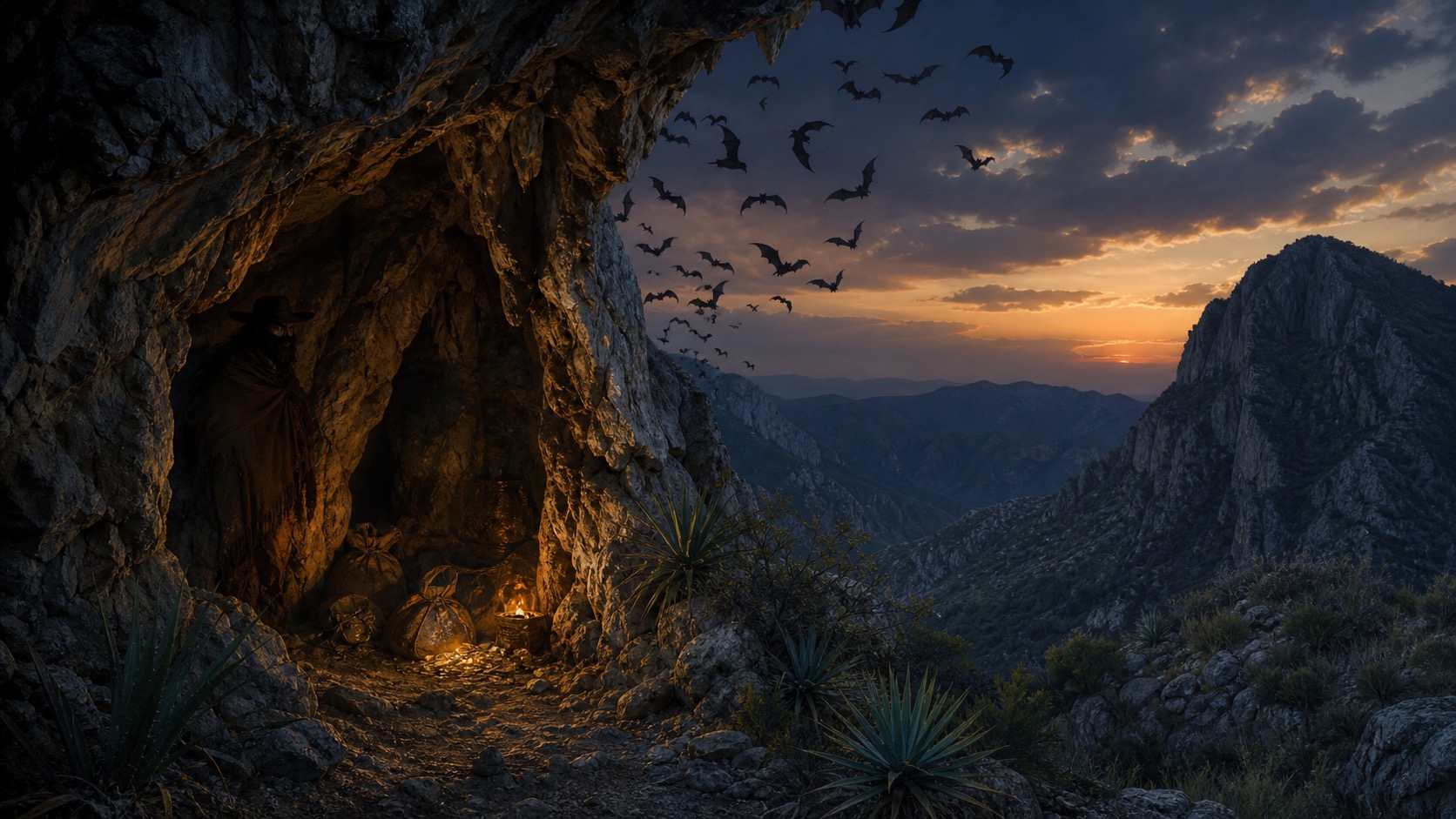
19th Century
Santiago · Nuevo León
Near the Cave of the Bats, people say Agapito Trevino, the outlaw turned folk hero, hid a cache that reveals itself only to those who enter without greed. Treasure seekers leave with the feeling that something older than the mine and more stubborn than the law has been watching them.
Read full legend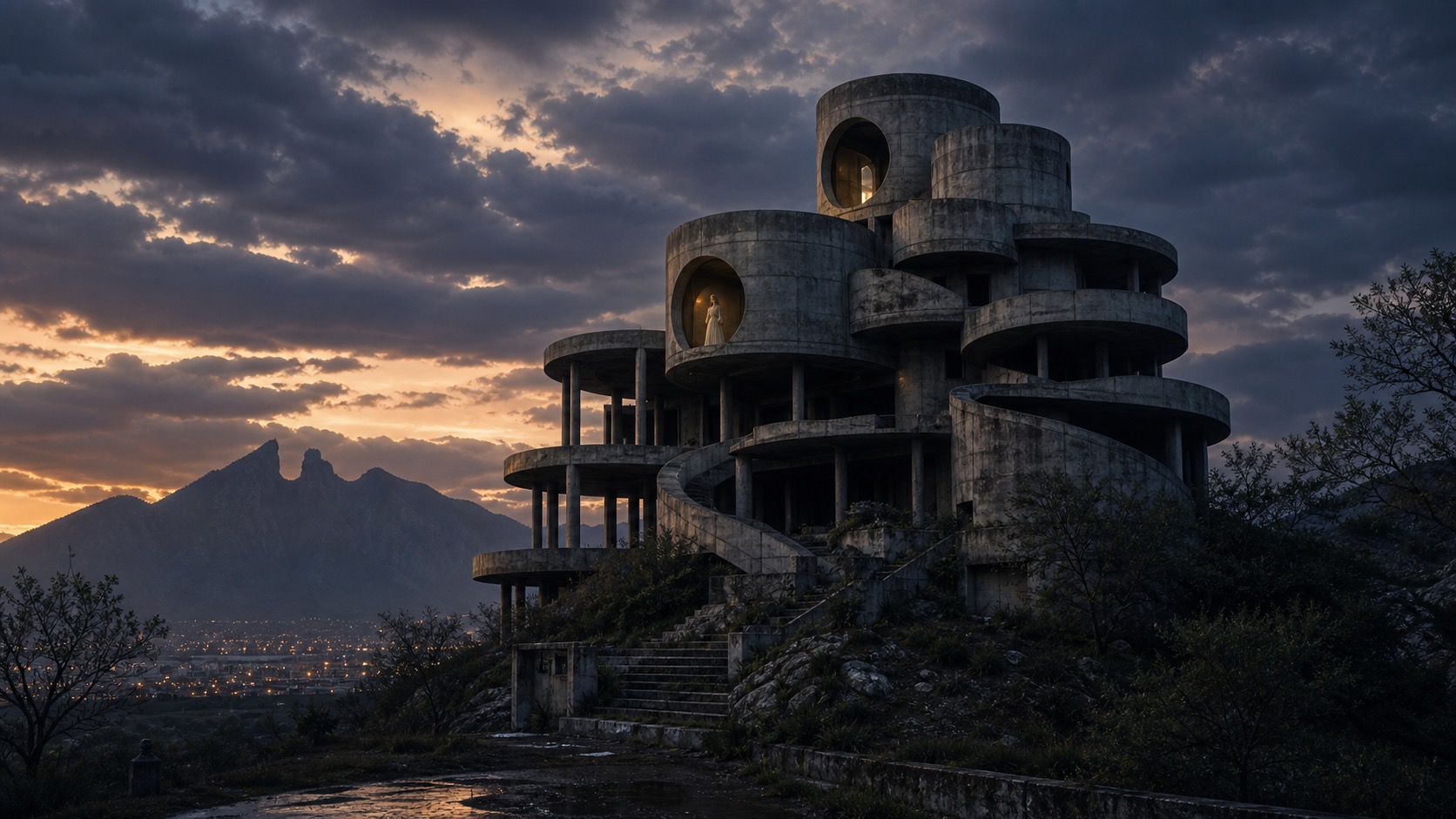
Urban Legend · 1970s
Monterrey · Nuevo León
The unfinished cylindrical house in southern Monterrey gave rise to one of northeastern Mexico's most famous urban legends. People say its hollow levels still hold the lament of a sick daughter and the stubborn silence of a home that never became a home.
Read full legend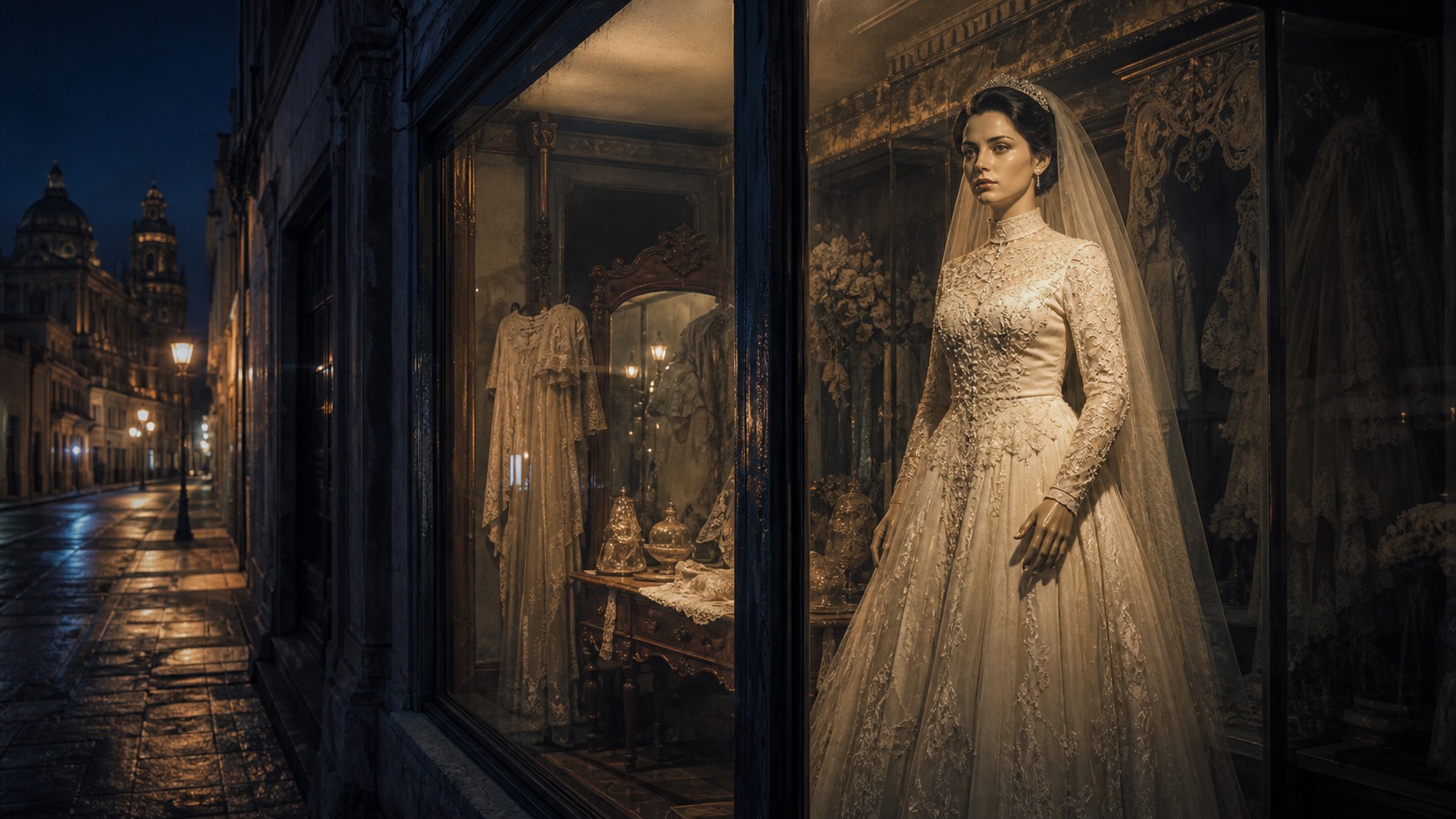
Urban Legend · 1930
Chihuahua · Chihuahua
Since 1930, the bridal mannequin in a downtown Chihuahua shop has inspired uneasy devotion. Her hands, eyelashes, and melancholy gaze have fueled the suspicion that she is not merely a display figure, but a bride arrested halfway through farewell.
Read full legend
Porfiriato and Revolution · 20th Century
Chihuahua · Chihuahua
In the corridors and staircases of Quinta Gameros, people speak of a barefoot woman who is heard before she is seen. Her light step, repeated on nights when the museum stands empty, turned the mansion into an archive of echoes where Porfirian elegance could not dissolve sorrow.
Read full legend
Urban Legend · 20th Century
Ciudad Madero · Tamaulipas
Beside the old abandoned hospital of Playa Miramar, people tell of a nurse in an immaculate uniform who still appears whenever someone needs help. Sometimes she tends the injured; sometimes she leaves only a clean scent and the cold certainty that someone else was there.
Read full legend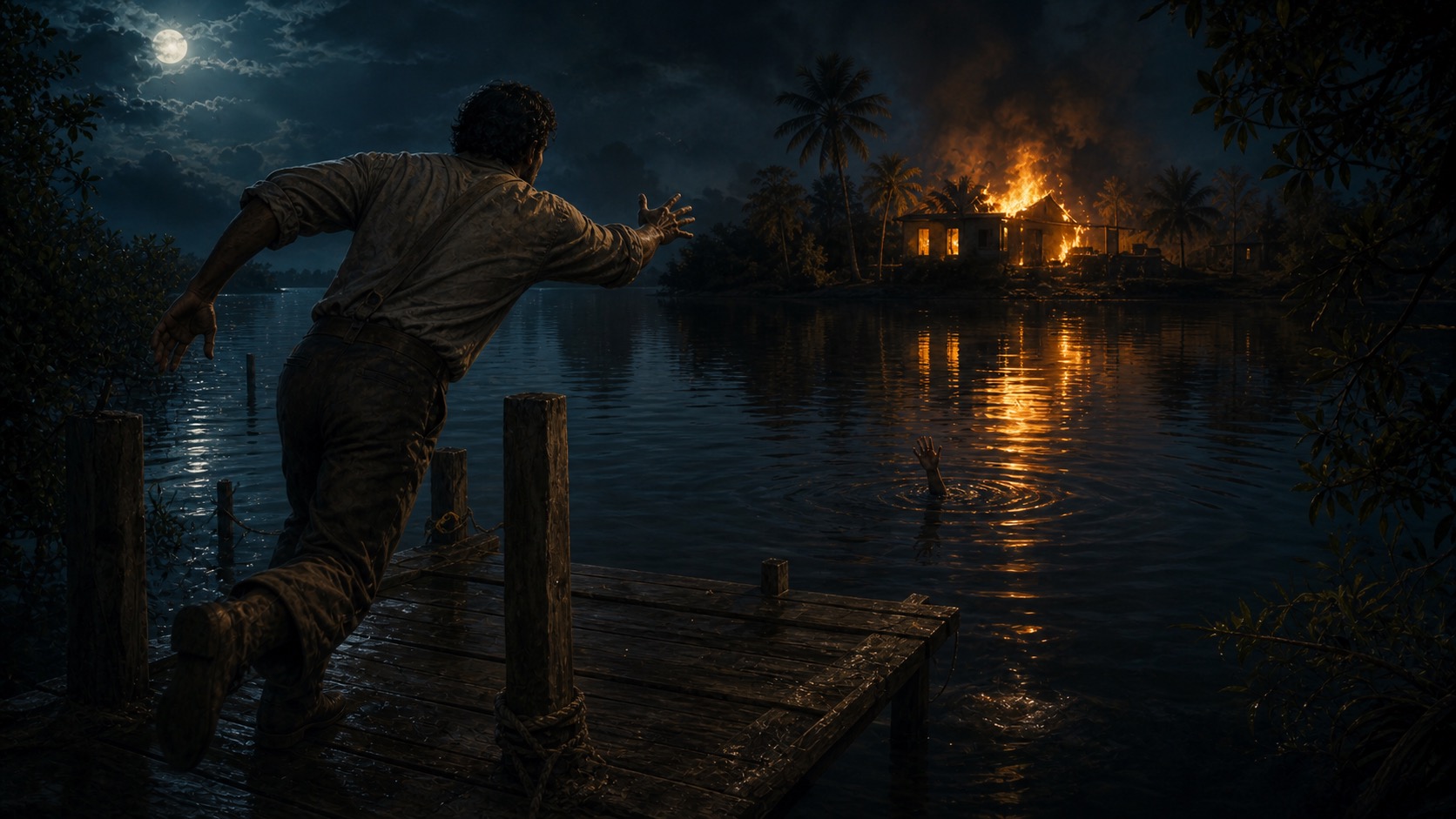
19th Century
Tampico · Tamaulipas
The Carpenter's Lagoon inherited more than a name: it inherited the memory of a trade and a desperate gesture. Tradition remembers a man who risked his life between fire and water to save the woman he loved, leaving in the landscape a form of mourning that still names the place.
Read full legend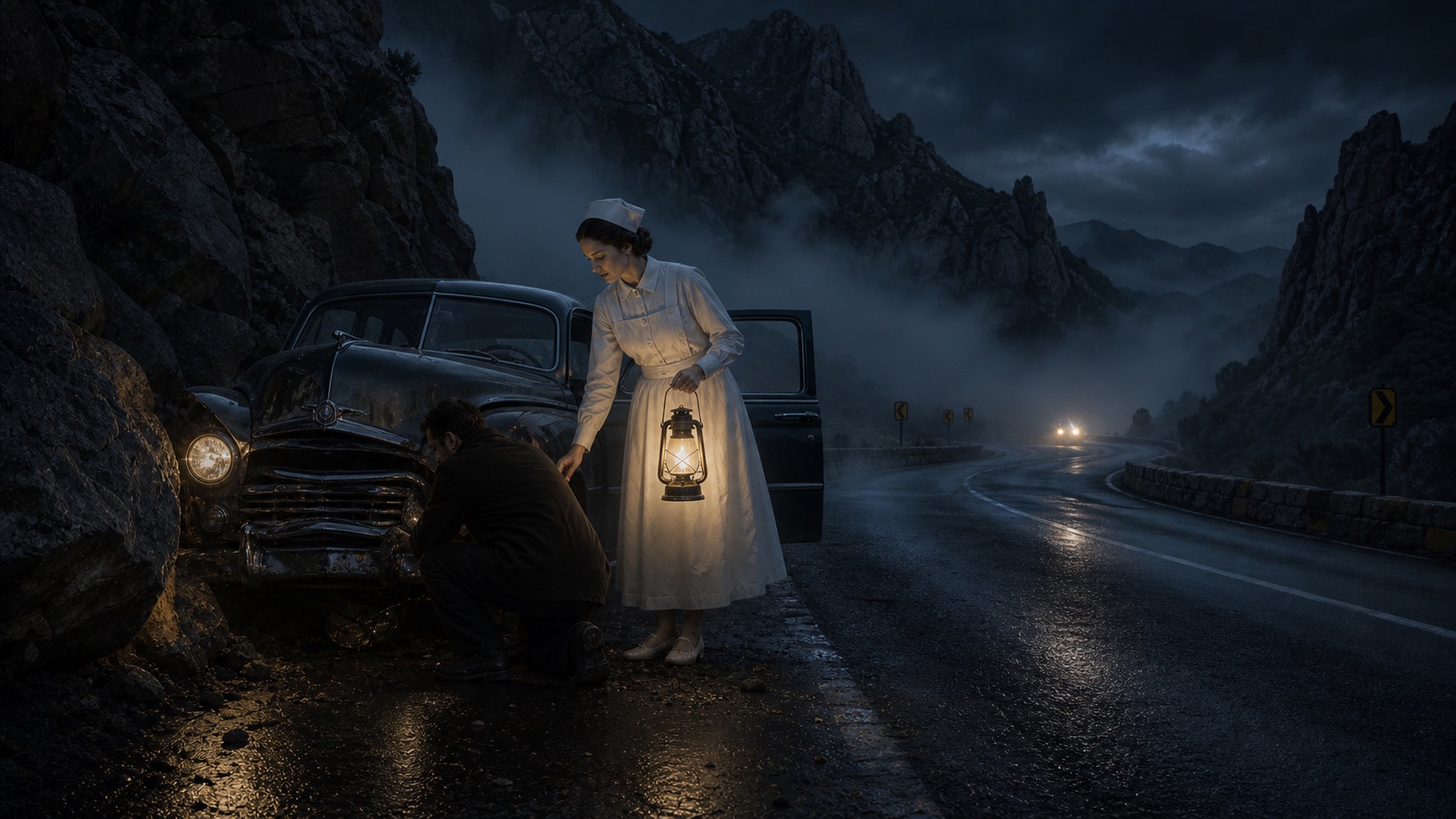
Roadside Legend · 20th Century
La Rumorosa · Baja California
Along the curves of La Rumorosa, some drivers claim to have received help from a nurse whom no one can later find. The story nearly always ends the same way: the aid was real, but the woman who offered it seems to belong more to the road's memory than to any hospital shift.
Read full legend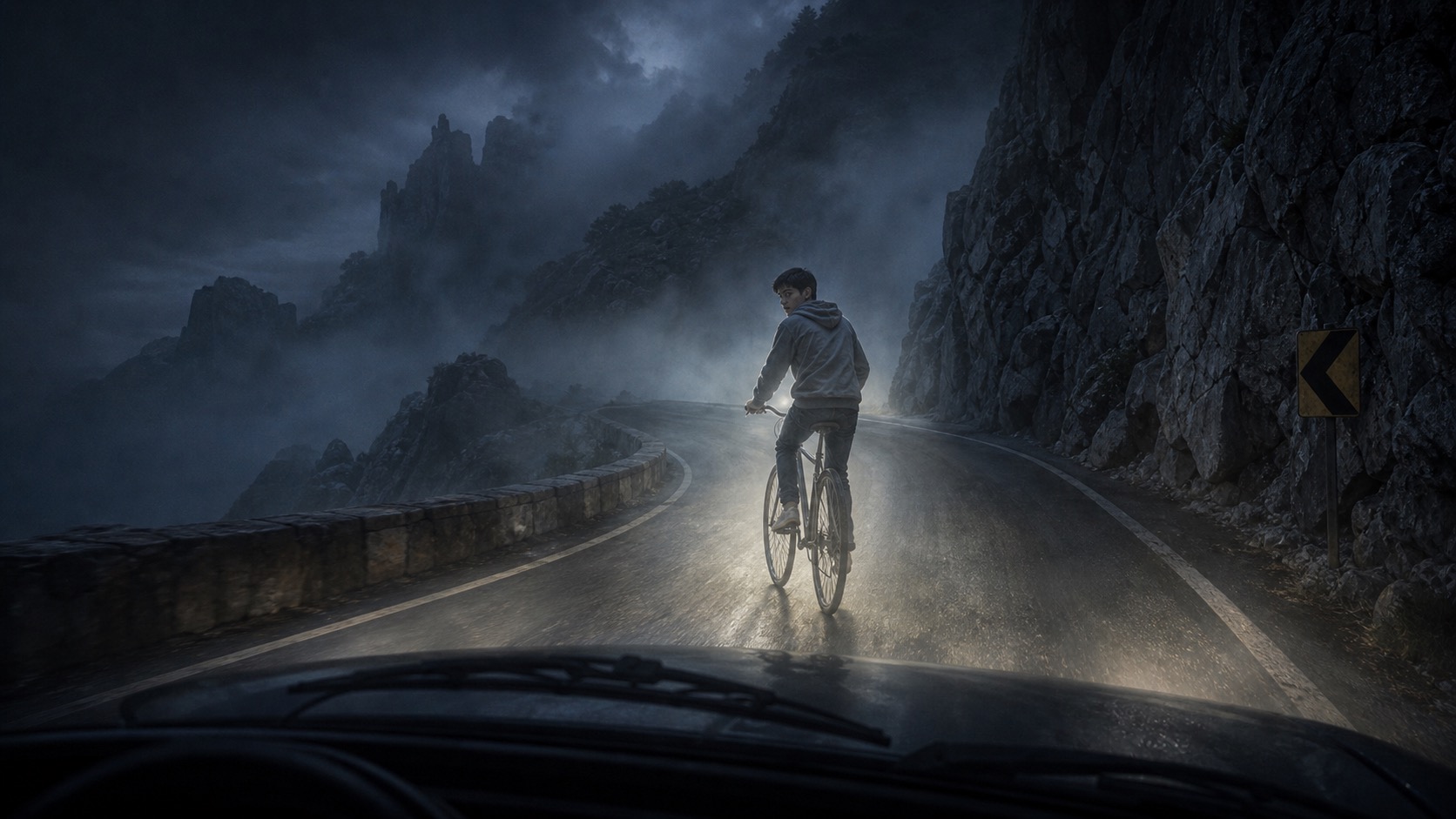
Roadside Legend · 20th Century
La Rumorosa · Baja California
On foggy nights, a boy on a bicycle suddenly appears before motorists on the steepest stretch of La Rumorosa. Whoever tries to catch up discovers that the figure always keeps just far enough ahead to prevent a crash and vanishes just before the next ravine.
Read full legend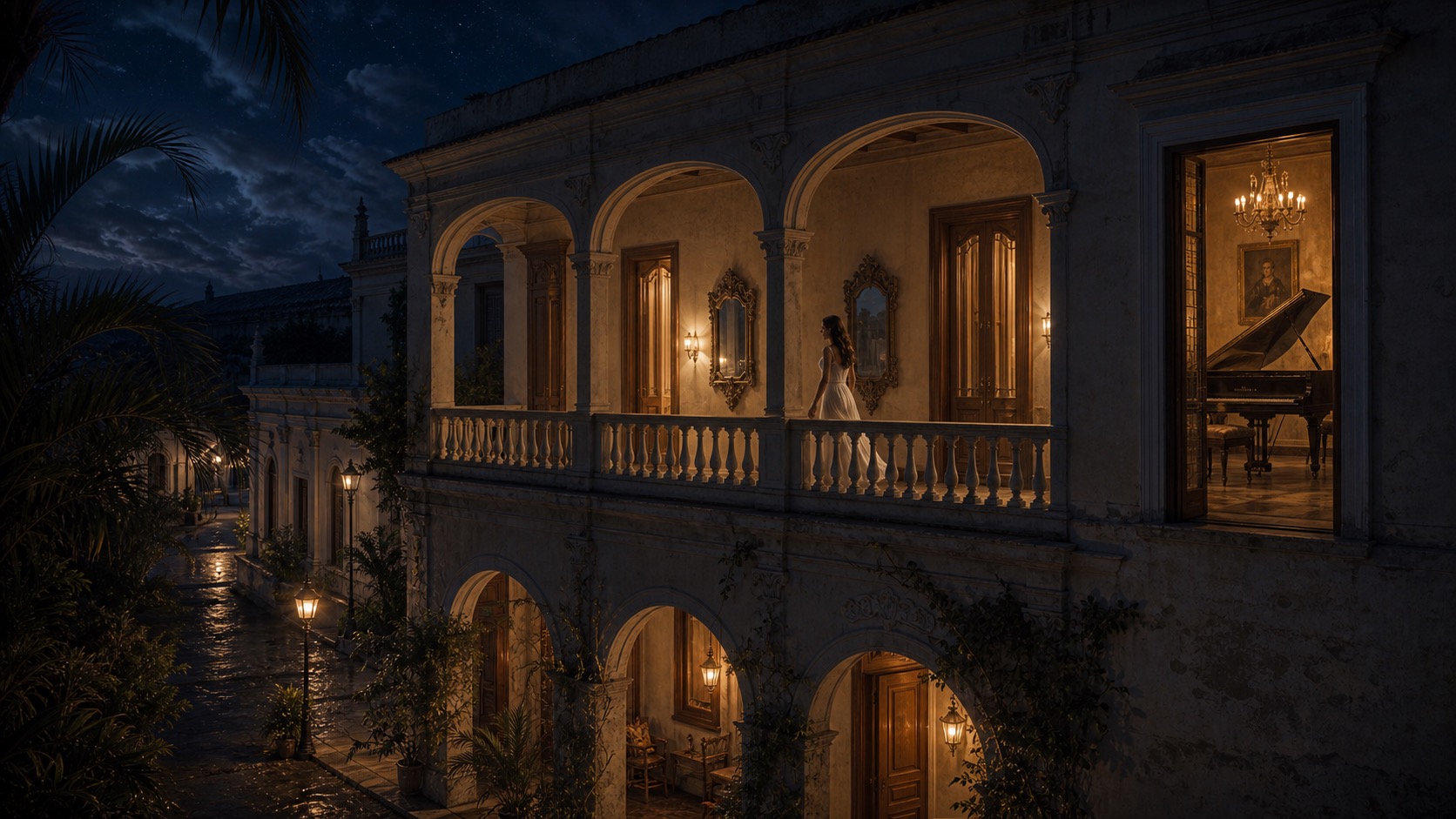
Late 19th Century
Álamos · Sonora
An old mansion in Alamos carries the reputation of having kept the presence of its former owner. Visitors speak of music, perfume, and a lady dressed in white crossing the balconies as if the house were still celebrating something that ended far too long ago.
Read full legend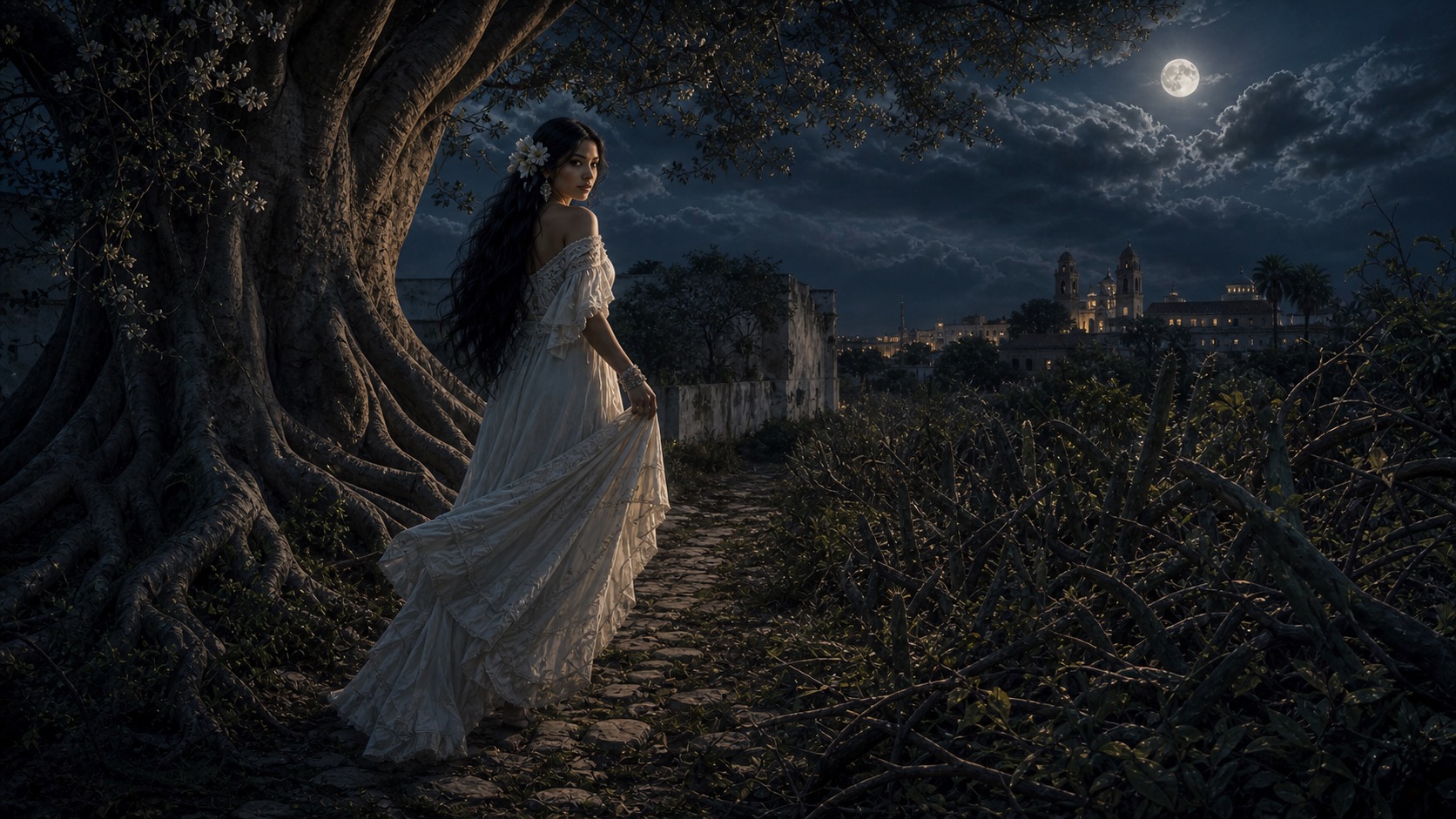
Living Maya Tradition
Mérida · Yucatán
Along Merida's darker edges, the story of the Xtabay survives: a beautiful woman who lures men with flowers, perfume, and a voice far too sweet. Whoever follows her discovers that beneath the enchantment lie thorns, wilderness, and punishment for vanity or careless desire.
Read full legend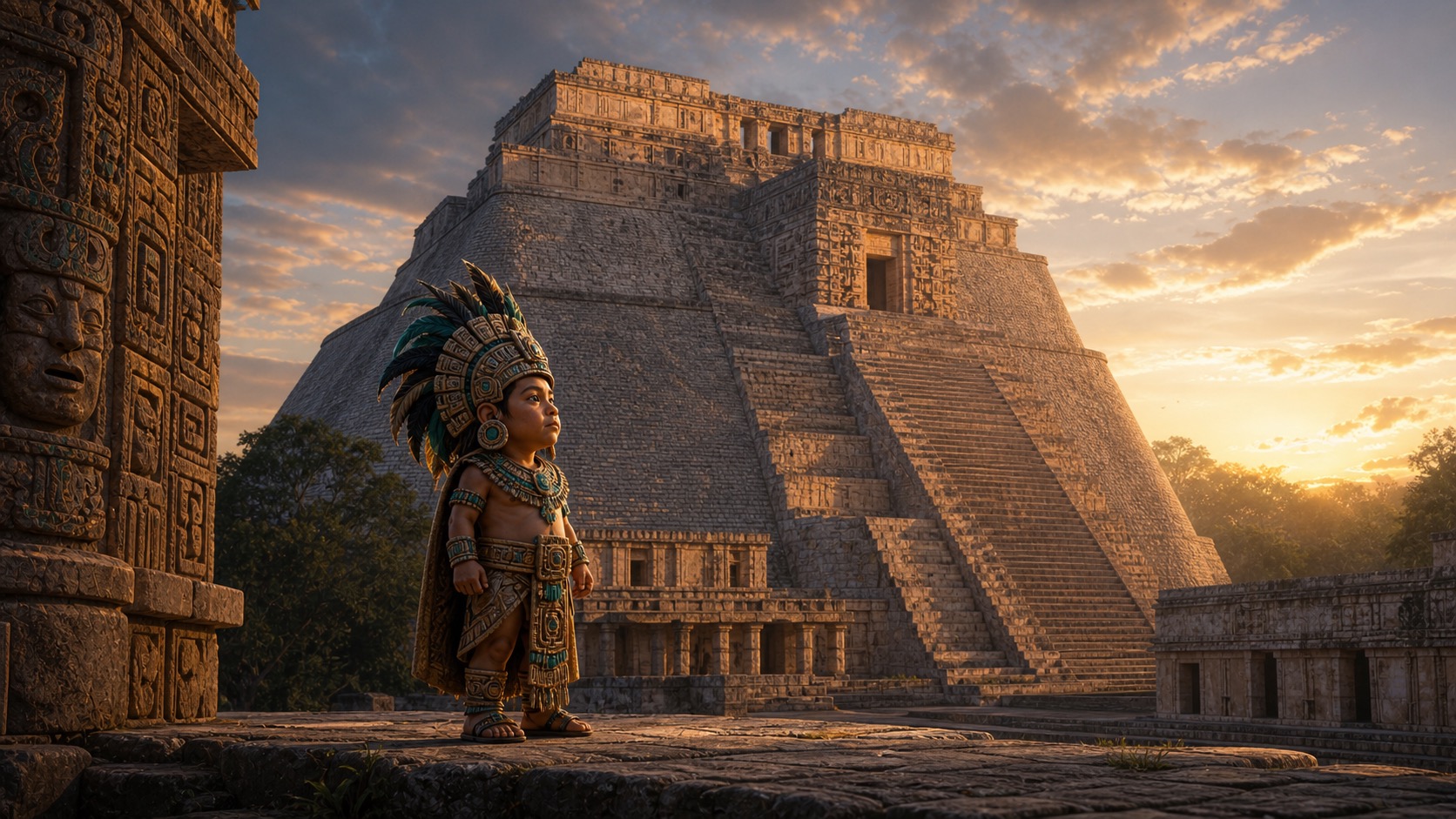
Maya Tradition · Postclassic
Uxmal · Yucatán
Born from an egg and raised by a wise old woman, the Dwarf of Uxmal proved that stature does not determine authority. The legend shows him raising wonders, defeating the king, and leaving behind a stone lesson about cunning, destiny, and sacred legitimacy.
Read full legend
Living Maya Tradition
Valladolid · Yucatán
On ranches, in patios, and along roads near Valladolid, people still fear the Huay Chivo, a sorcerer who leaves his human body to roam the night as a beast. His appearance mixes fear, respect, and the conviction that envy can learn to walk on four legs.
Read full legend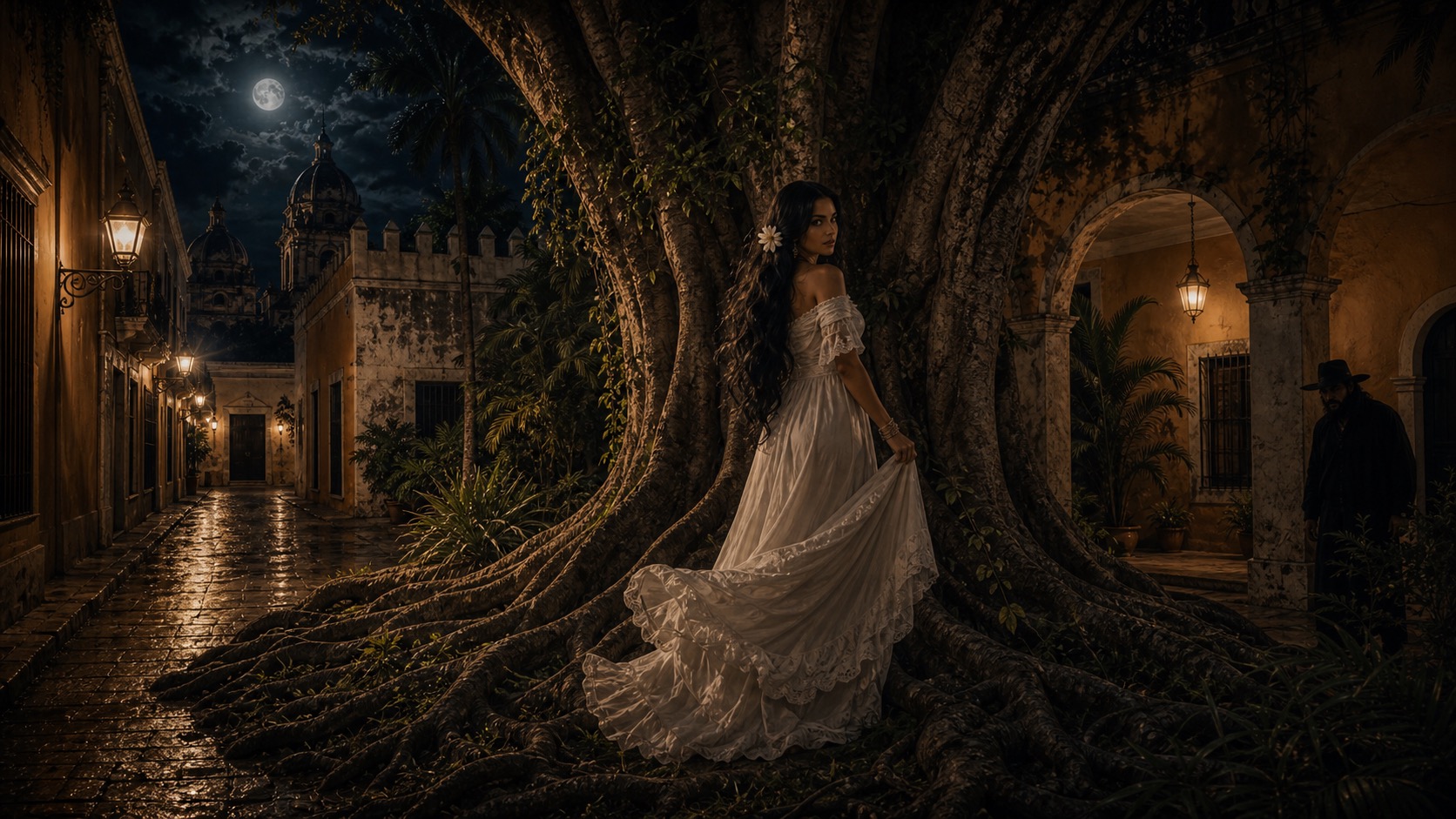
Maya and Colonial Tradition
San Francisco de Campeche · Campeche
Campeche's version of the Xtabay preserves the seduction and danger of the Maya tale, but places it among walls, patios, and ceiba trees. People say she appears when the night smells of orange blossom, and that beauty seen too closely always hides a violent correction.
Read full legend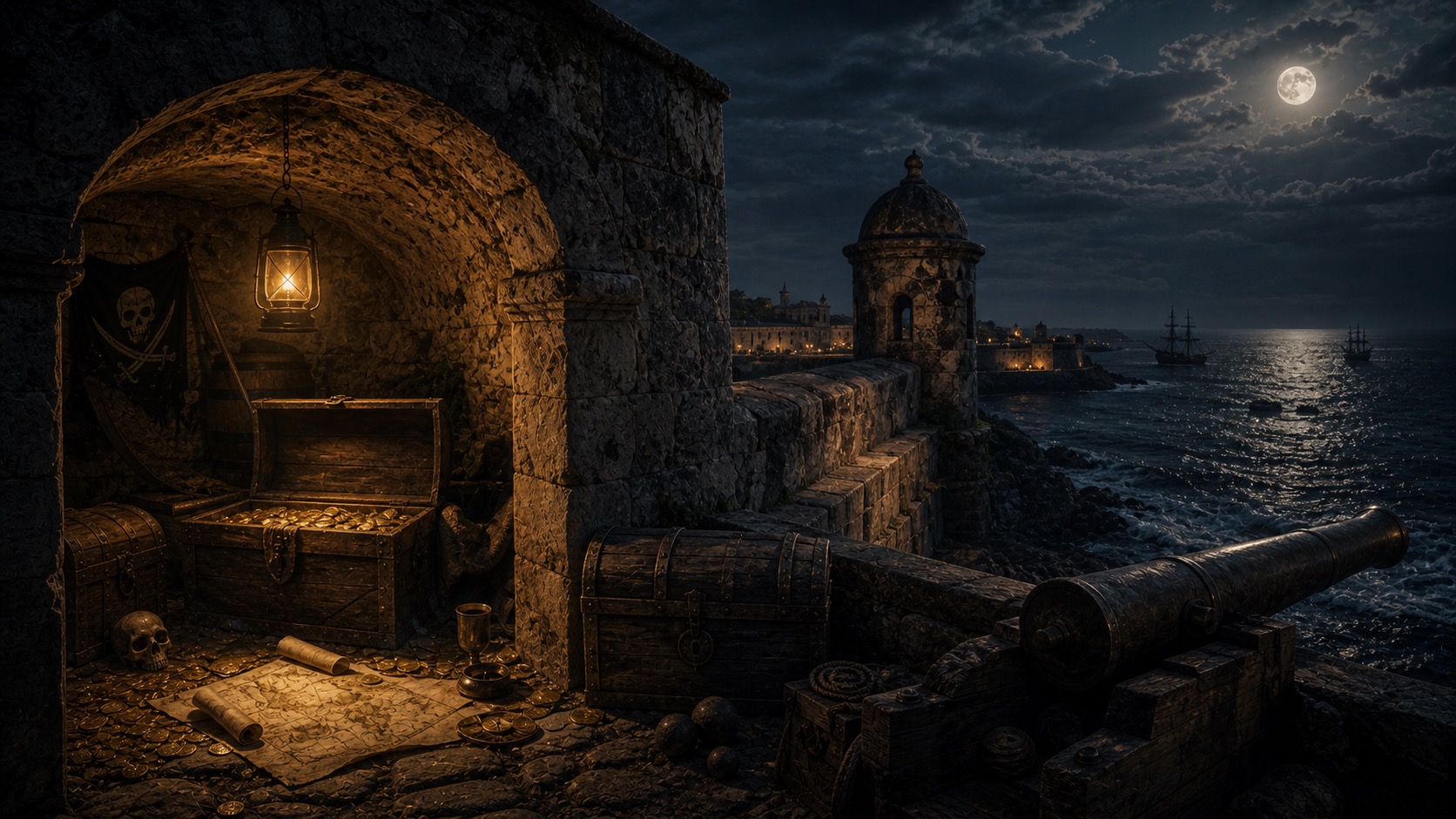
17th and 18th Centuries
San Francisco de Campeche · Campeche
Among tunnels, bastions, and courtyards in the walled city, the idea persists that a pirate's loot was never fully recovered. Each generation changes the corsair's name, but not the warning: gold hidden by the sea always takes something from whoever tries to wrench it from memory.
Read full legend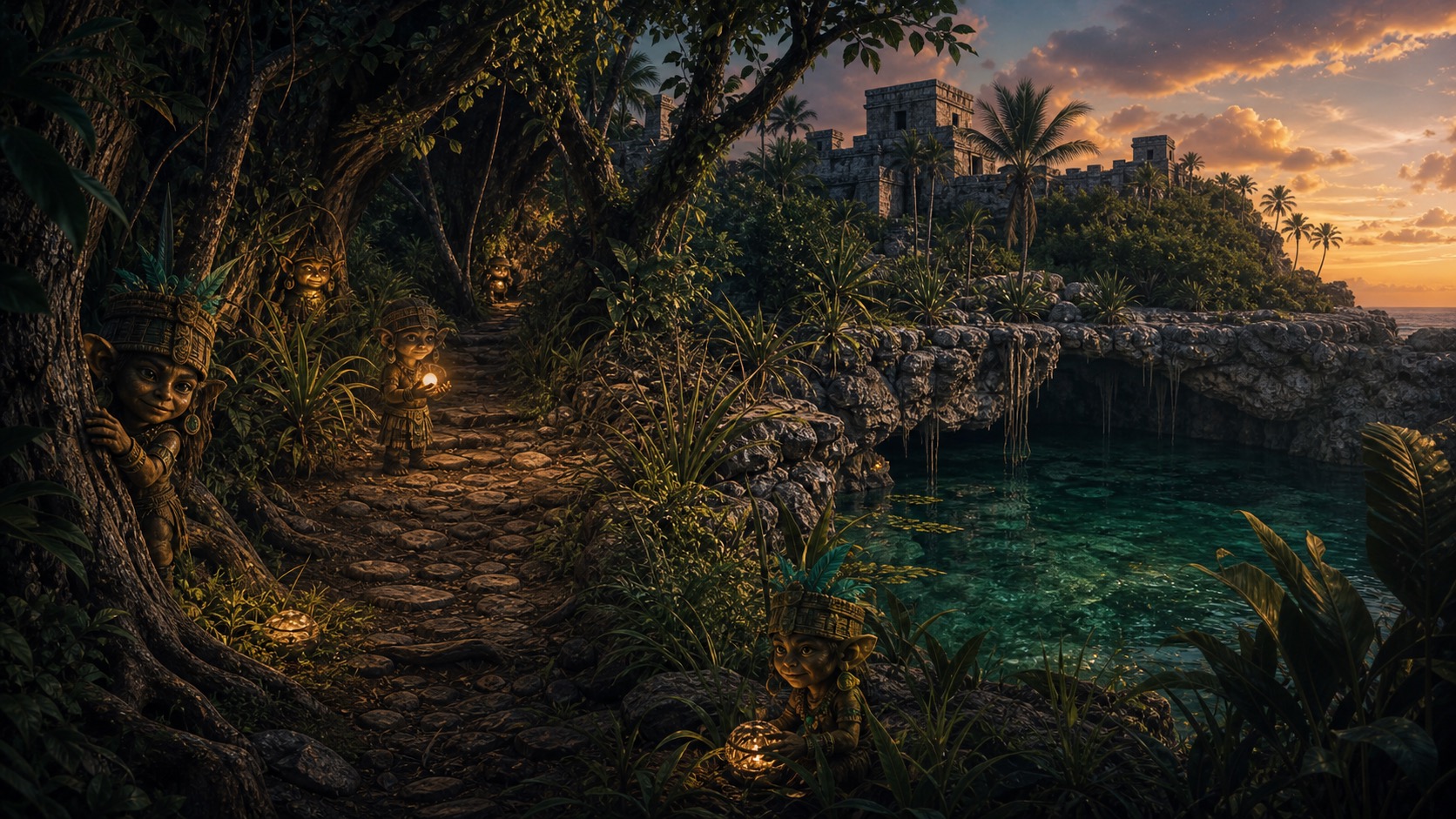
Living Maya Tradition
Tulum · Quintana Roo
In Tulum, people speak of small guardians who watch over ruins, trails, and cenotes. The aluxes disorient disrespectful visitors, protect those who ask permission, and remind everyone that the jungle is not decorative scenery but a home with invisible owners.
Read full legend
Contemporary Oral Tradition
Bacalar · Quintana Roo
One of Bacalar's deepest sinkholes carries an old reputation: that of having sheltered a wise woman turned into a haunting. Night, dark whirlpools, and the silence of the cenote sustain the warning that not everything in the lagoon is meant to be seen from the surface.
Read full legend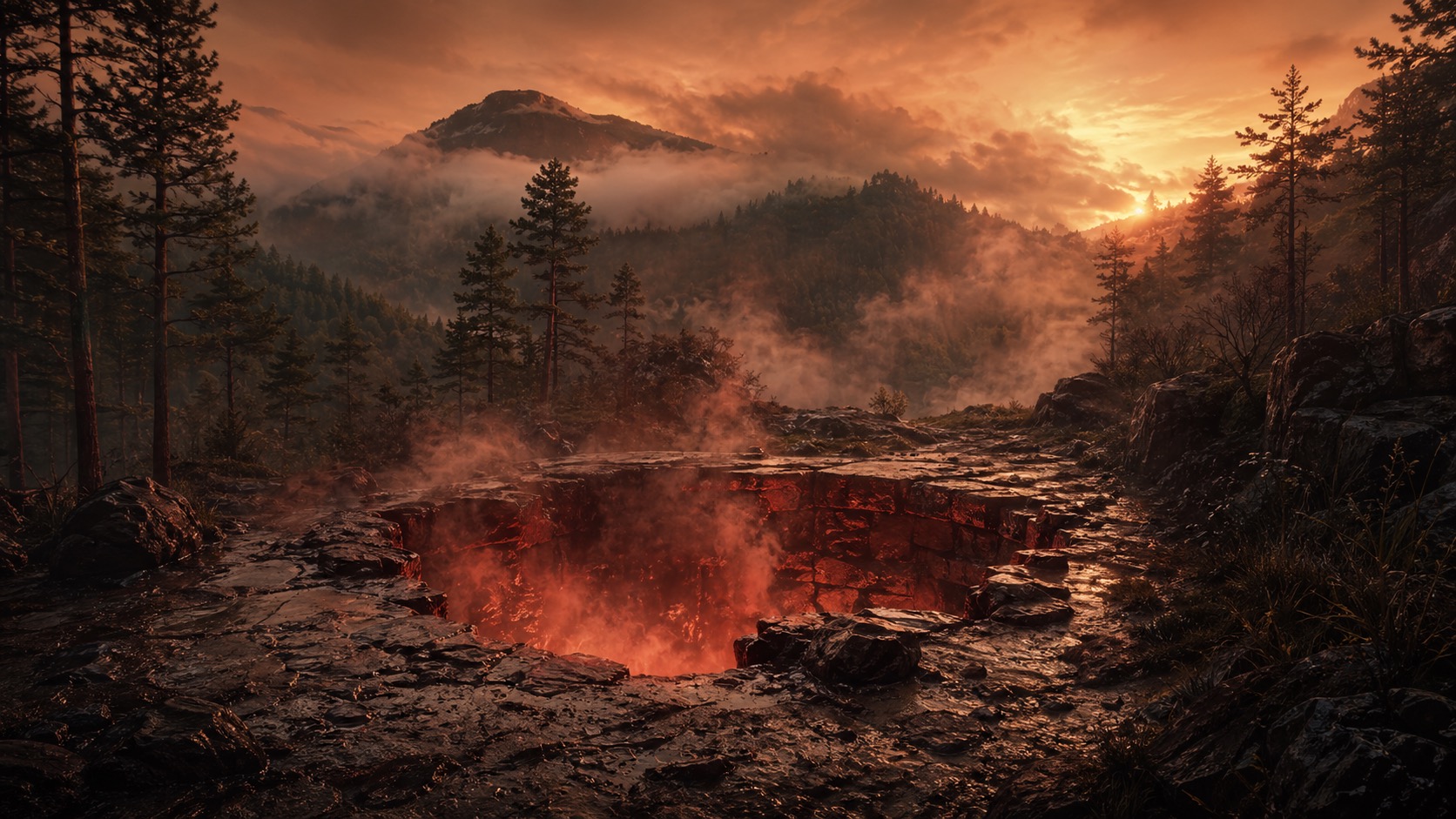
Popular Tradition · 18th Century
Tlalmanalco · State of Mexico
In a wooded stretch at the foot of the range, elders speak of a stone hollow that breathes steam at dawn. They swear a gate to the underworld opened there when a muleteer cursed the saints and vanished without a trace.
Read full legend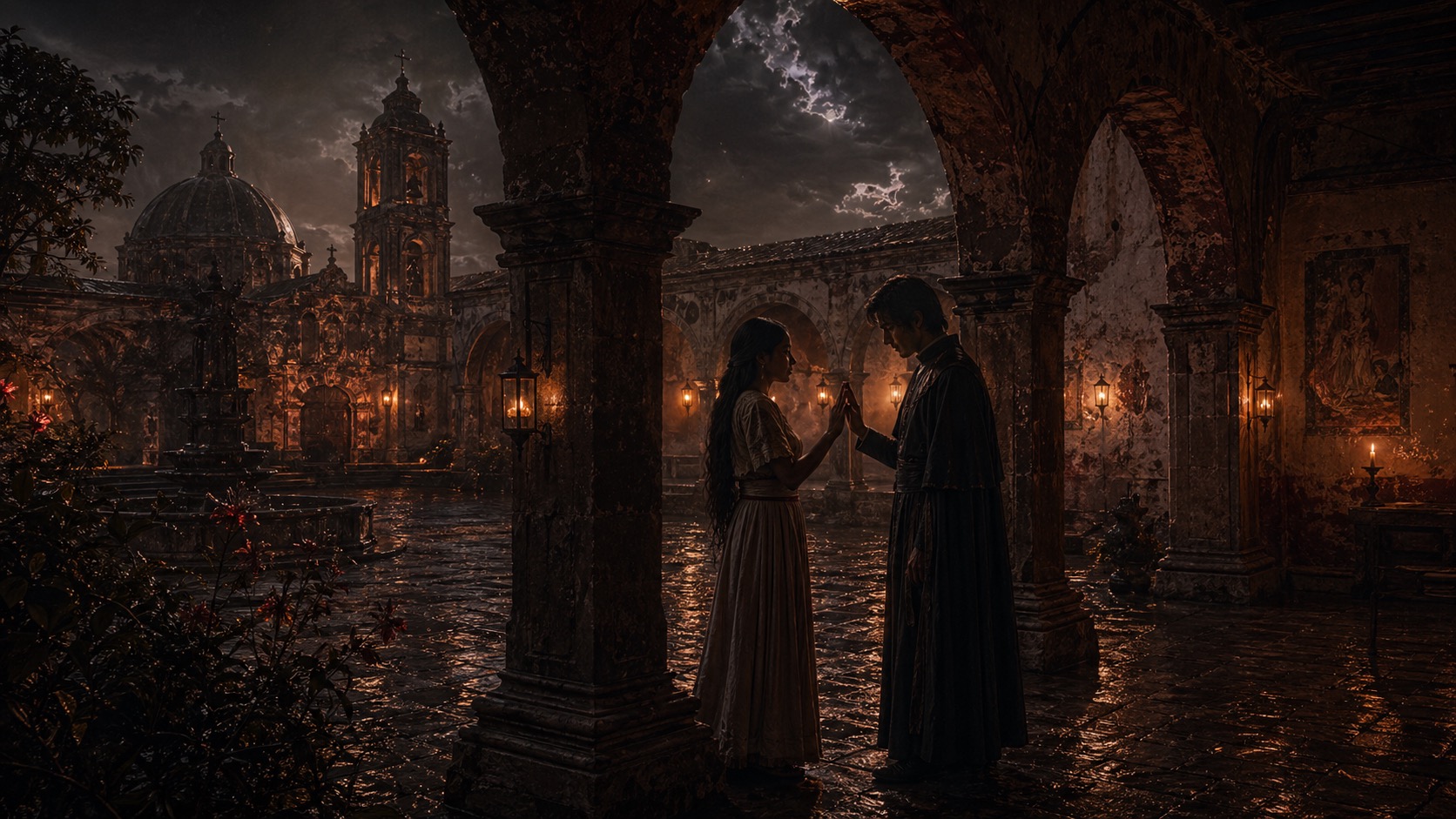
Colonial Era · 17th Century
Tlalmanalco · State of Mexico
People say an Indigenous young woman and a mestizo sacristan pledged themselves to each other beside the old convent, but were discovered and punished. Since then, two shadows meet every night beneath the arches without ever touching.
Read full legend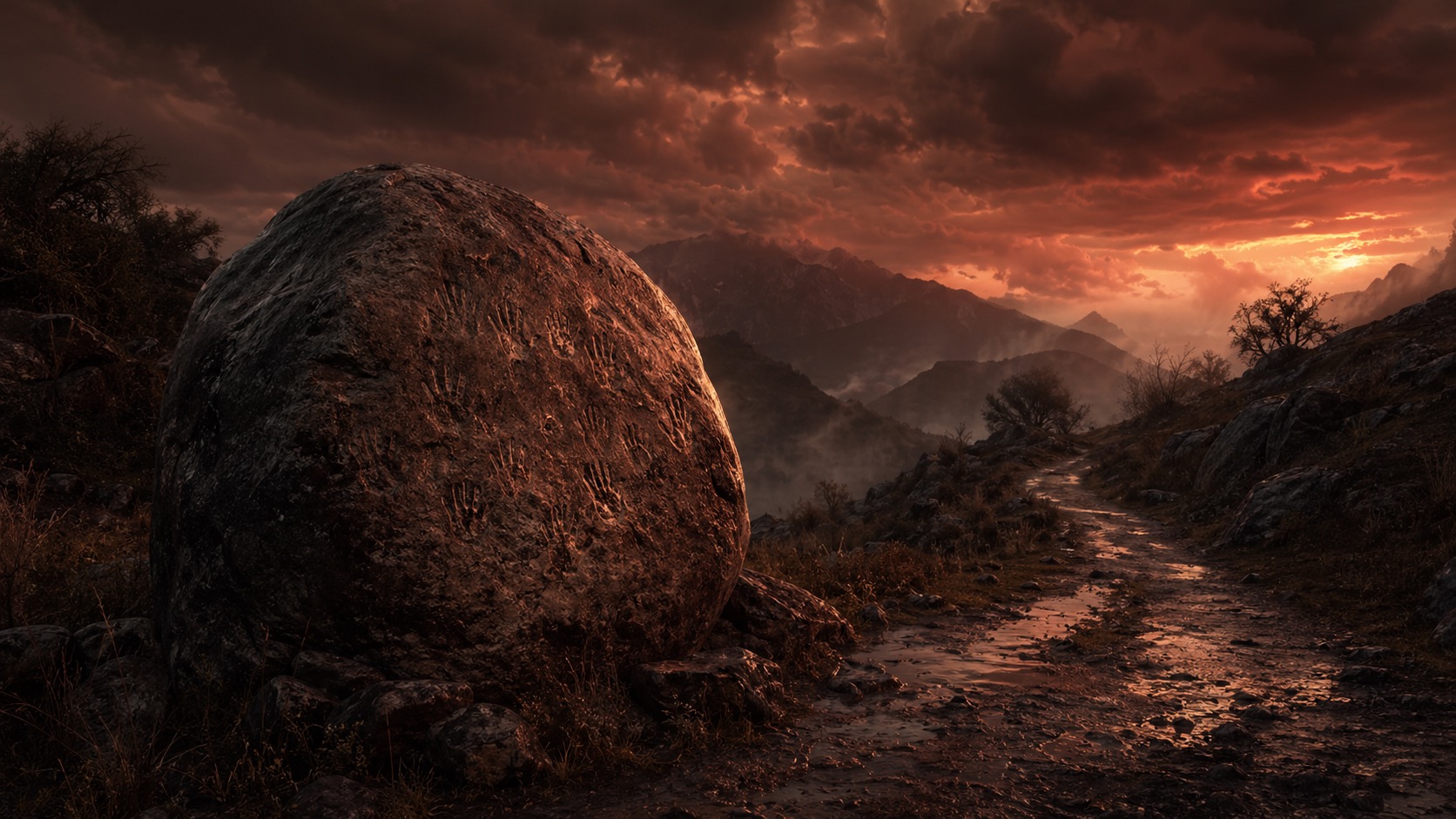
Popular Tradition · 19th Century
Tlalmanalco · State of Mexico
According to the legend, a great rock on the old road into the mountains was used to seal promises. Whoever lied upon it suffered a misfortune soon after. Even now, some people avoid looking at it directly as they pass.
Read full legend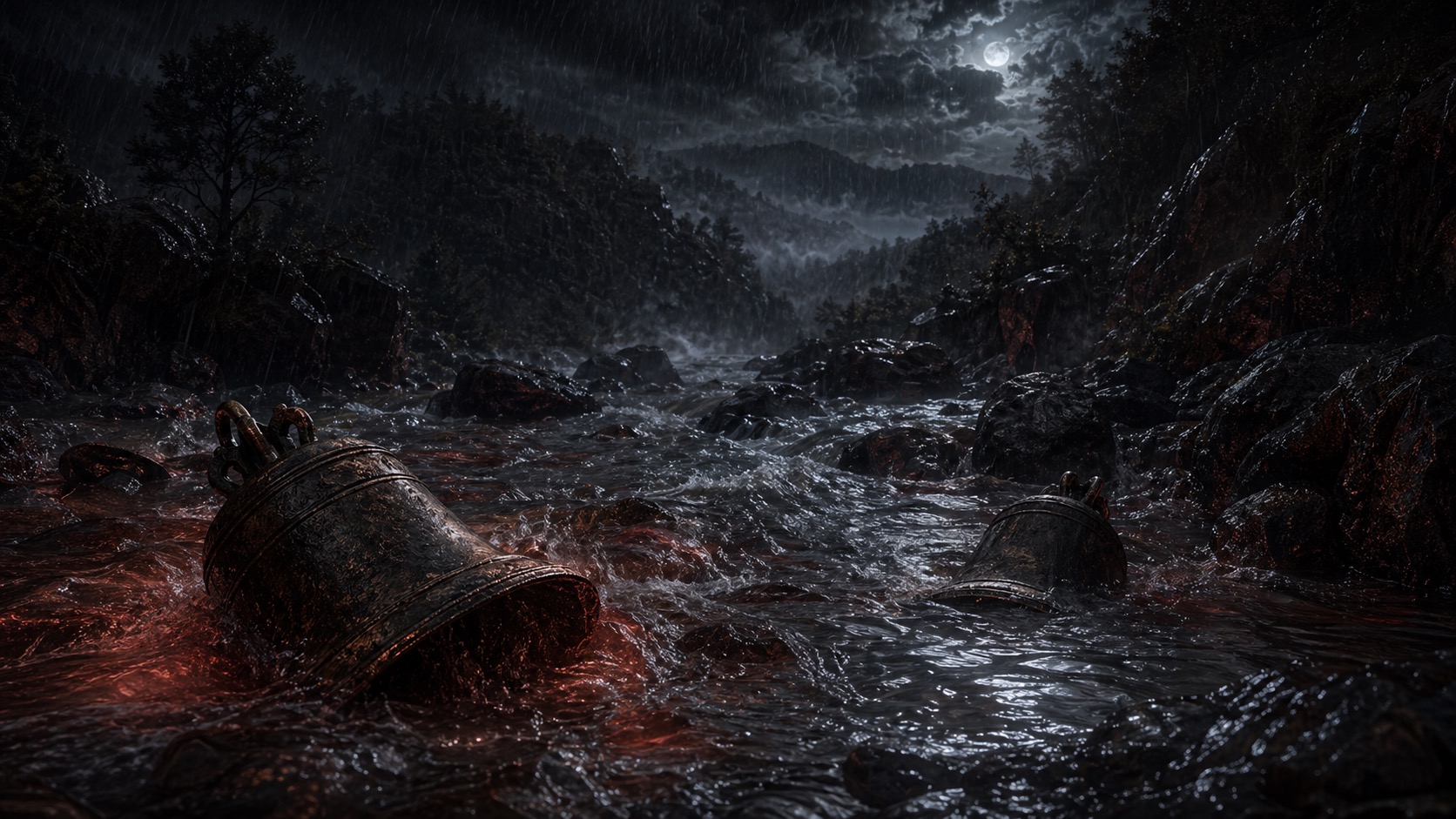
Mountain Tradition · 19th Century
Tlalmanalco · State of Mexico
On rainy nights, distant peals can be heard that come from no church at all. Locals say they are bells dragged away by an old flood, and that every toll announces an accident in the mountain.
Read full legend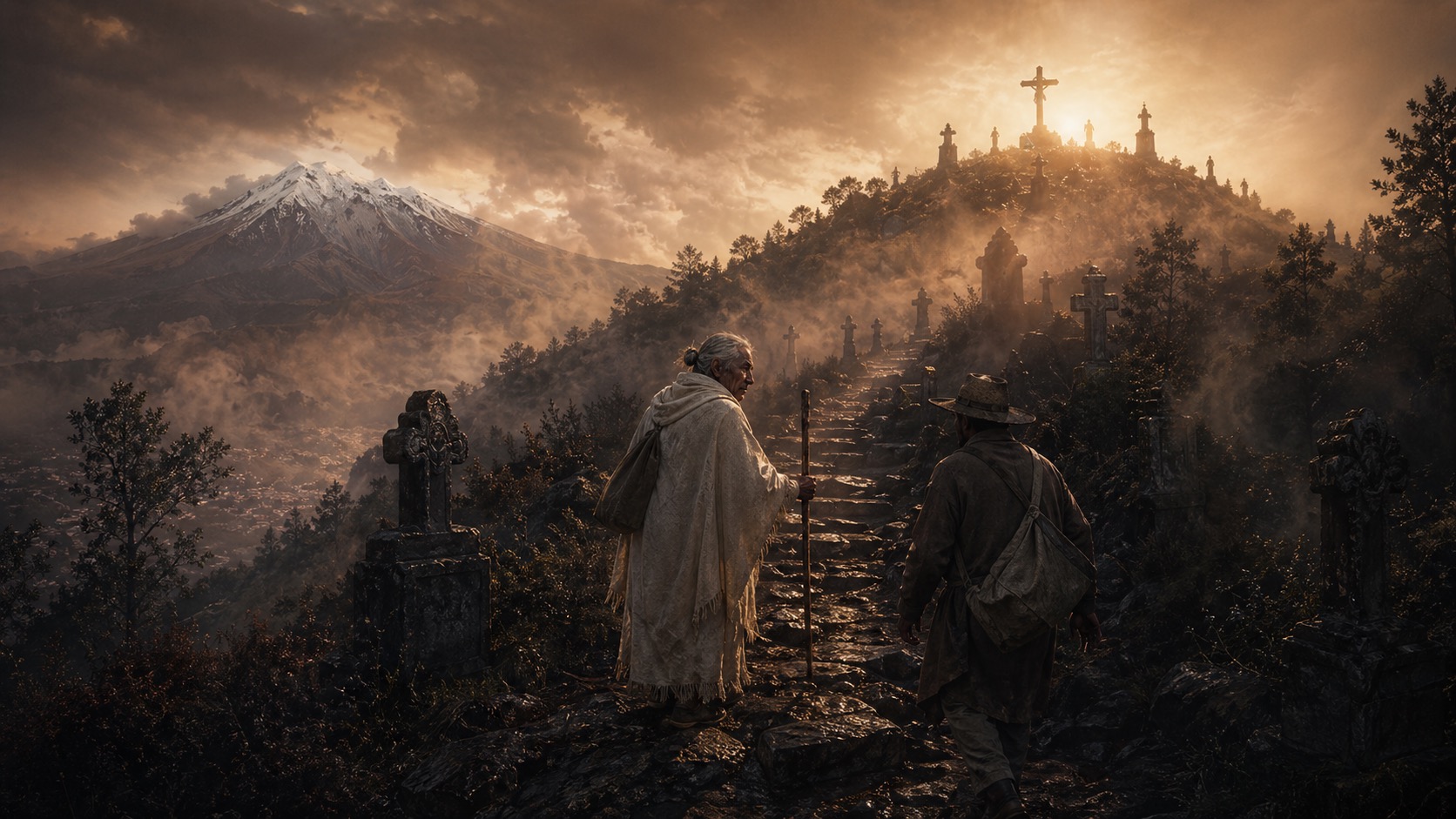
Popular Devotion · 18th Century
Amecameca · State of Mexico
On the climb to the Sanctuary of Sacromonte, people say an old man wrapped in a blanket appears to guide the lost and vanishes at the great cross. Some call him a hermit; others, a restless soul in service of the sacred hill.
Read full legend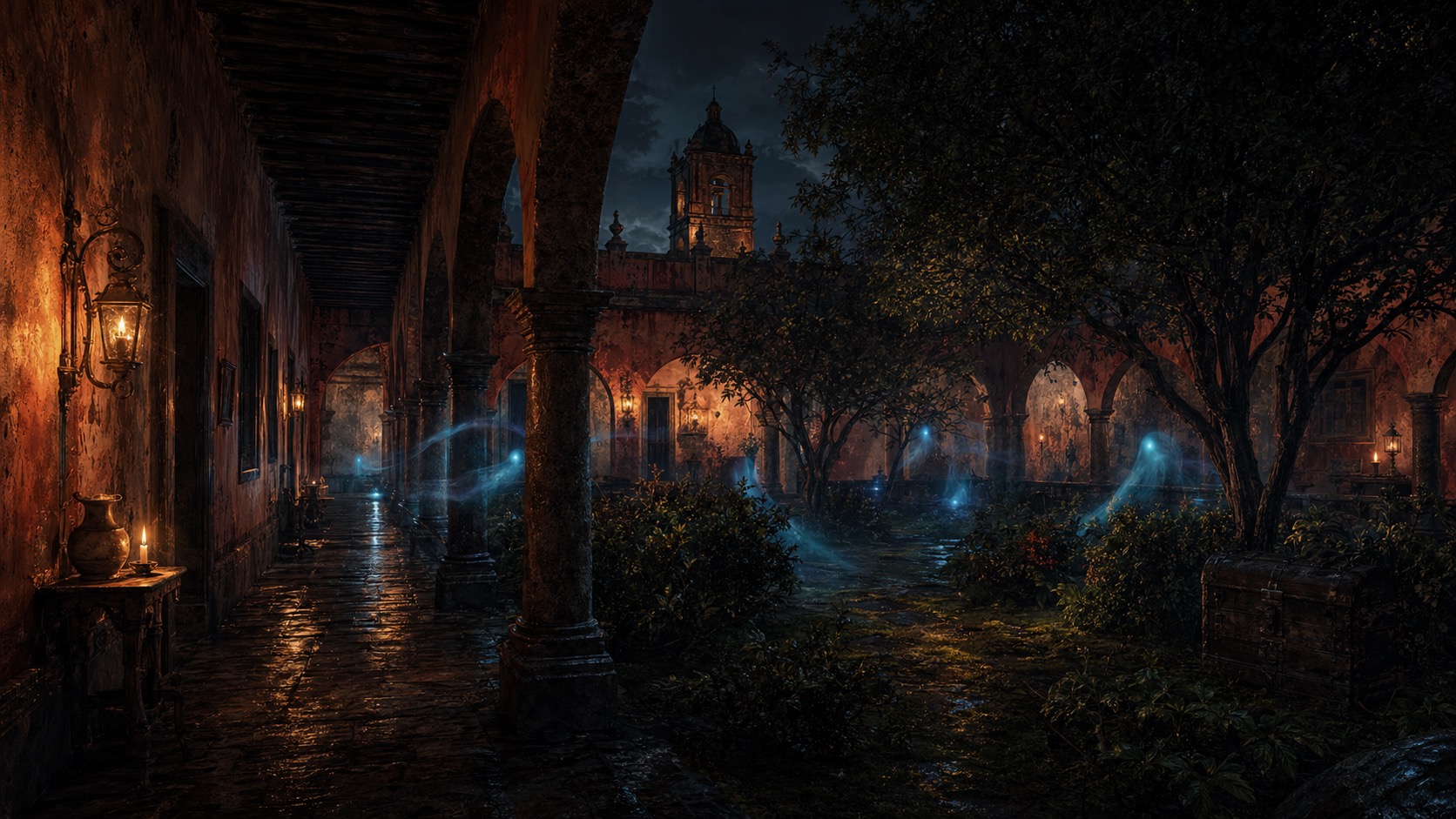
Colonial Era · 17th Century
Amecameca · State of Mexico
Blue lights have been seen crossing the corridors of the old hacienda and fading into the gardens. Some say they guard a chest buried since the viceregal era; others, that they follow the memory of Sor Juana as a child.
Read full legend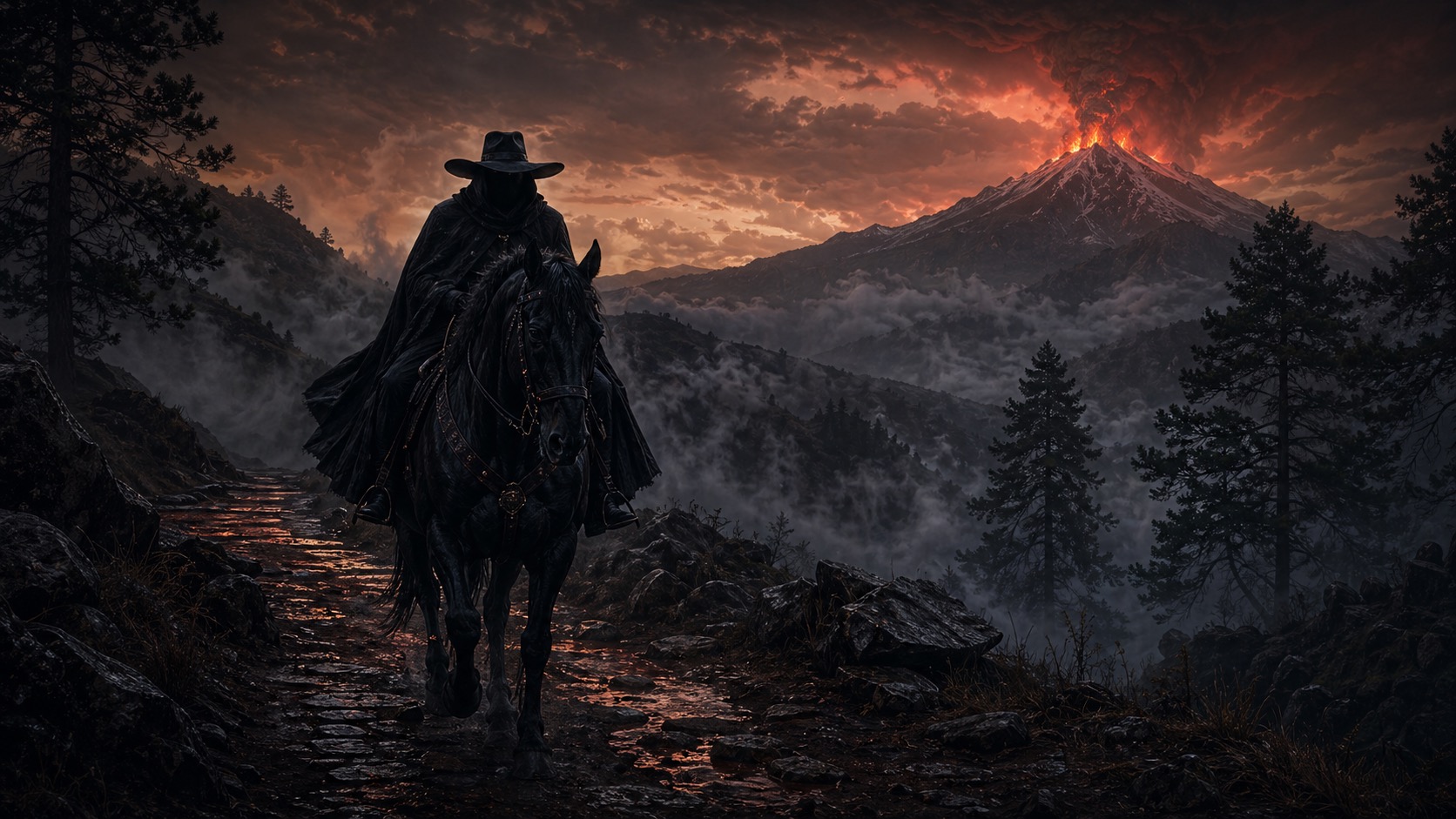
Road Tradition · 19th Century
Amecameca · State of Mexico
When the mist descends between the volcanoes, a faceless rider crosses the high roads on a black horse. Travelers say he always rides toward Popocatepetl, as if obeying a master buried in fire.
Read full legend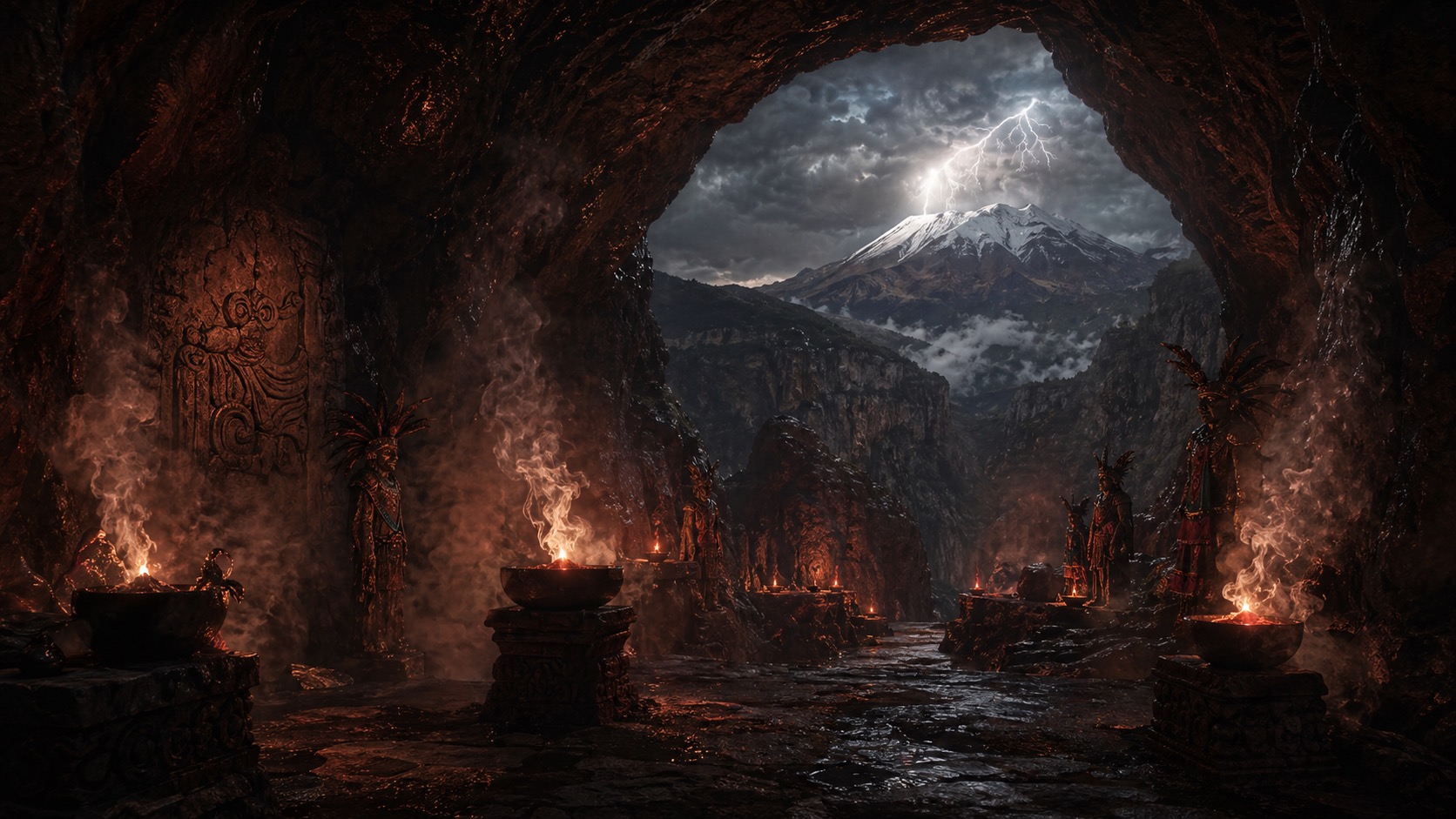
Pre-Hispanic Heritage · Living
Amecameca · State of Mexico
Among the ravines lies a cave where, according to local tradition, ancient priests still officiate whenever thunder rolls over Iztaccihuatl. Whoever enters arrogantly falls ill; whoever enters with respect hears chants they cannot understand.
Read full legend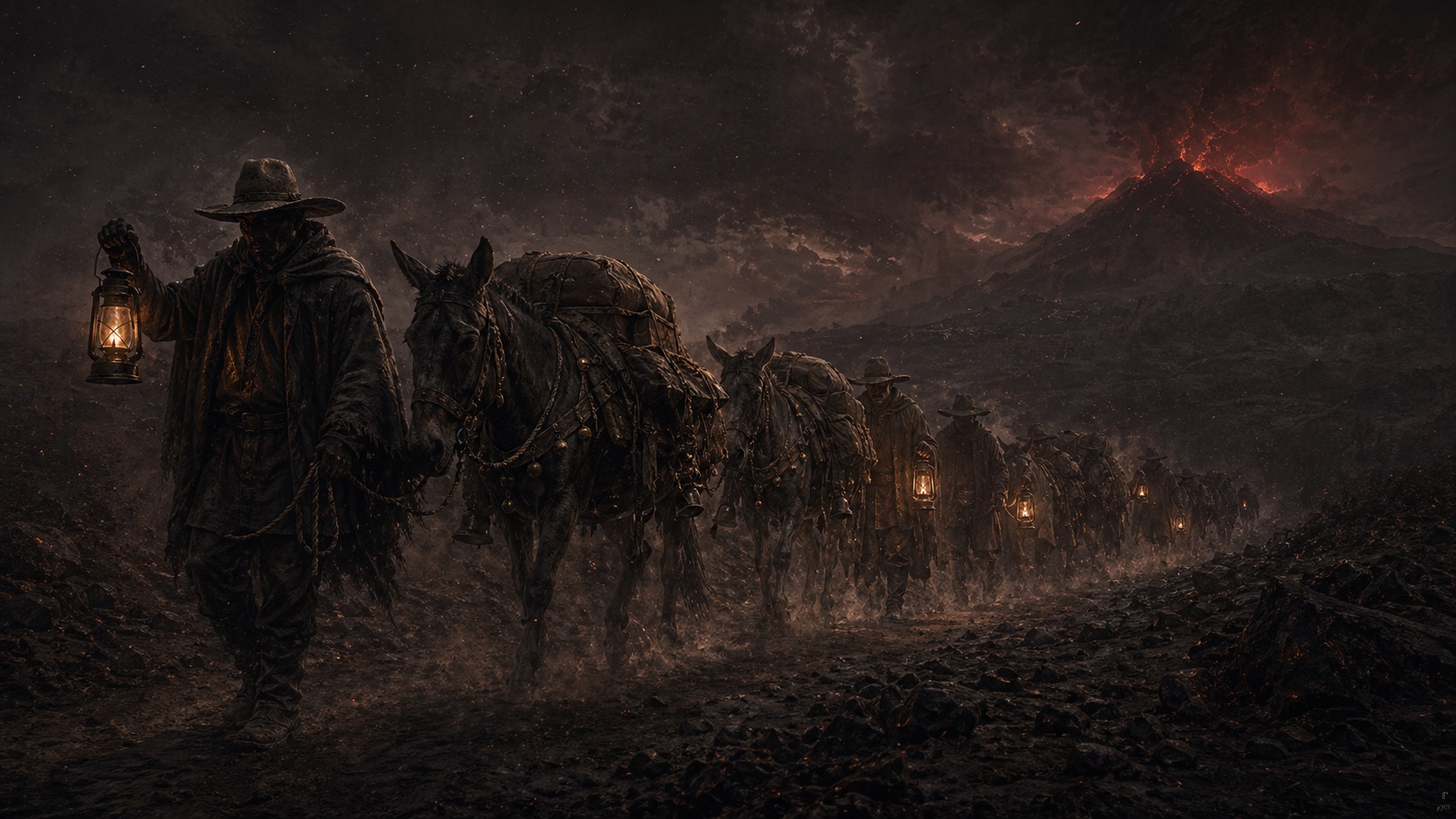
Road Tradition · 18th Century
Ozumba · State of Mexico
Along the old trade route toward Cuautla, some late-night travelers have heard bells, hooves, and murmurs from a mule train that never fully comes into view. People say they are muleteers killed by an ash storm, condemned to repeat their journey.
Read full legend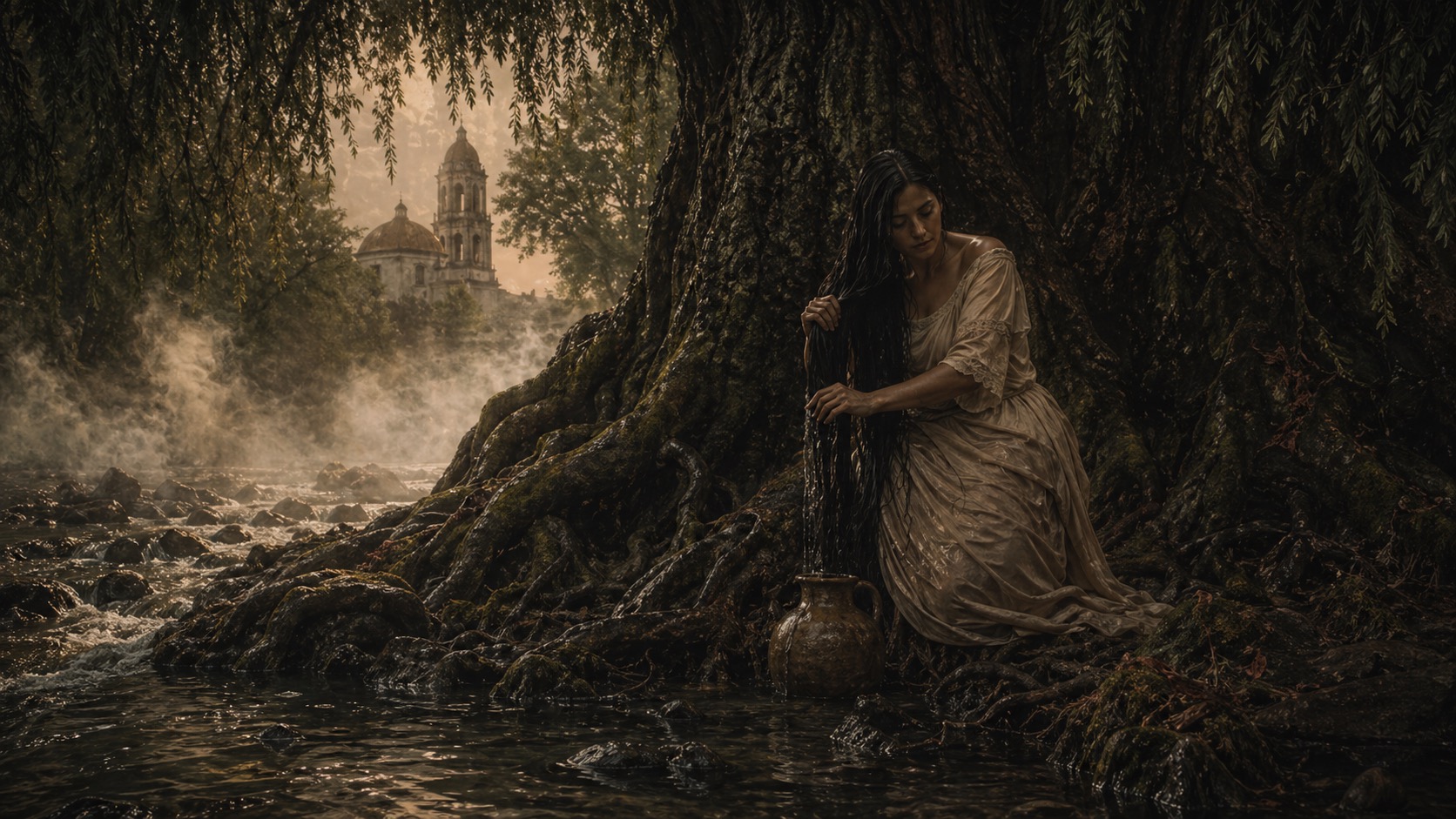
Popular Tradition · 19th Century
Ozumba · State of Mexico
Beside an ancient tree in town, a woman is said to appear combing her hair with water from the ravine. No one knows whether she is weeping or singing, but when she lifts her face, whoever meets her gaze falls ill with melancholy for weeks.
Read full legend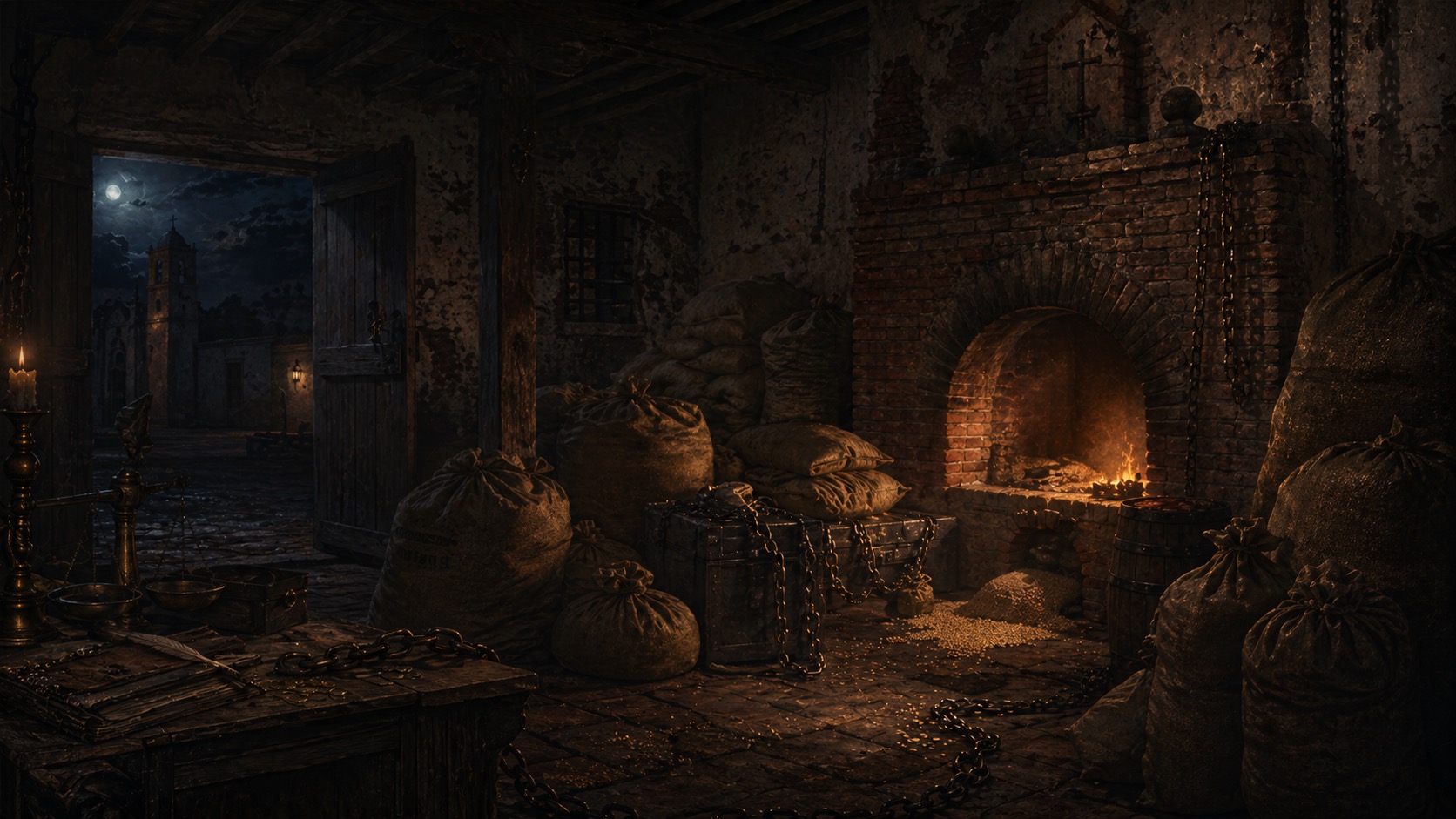
Colonial Era · 18th Century
Ozumba · State of Mexico
In an old storehouse once used for grain and tribute, neighbors say chains and blows can be heard at night. The story tells of a greedy collector who hid what he stole from peasants there and remained trapped to guard it.
Read full legend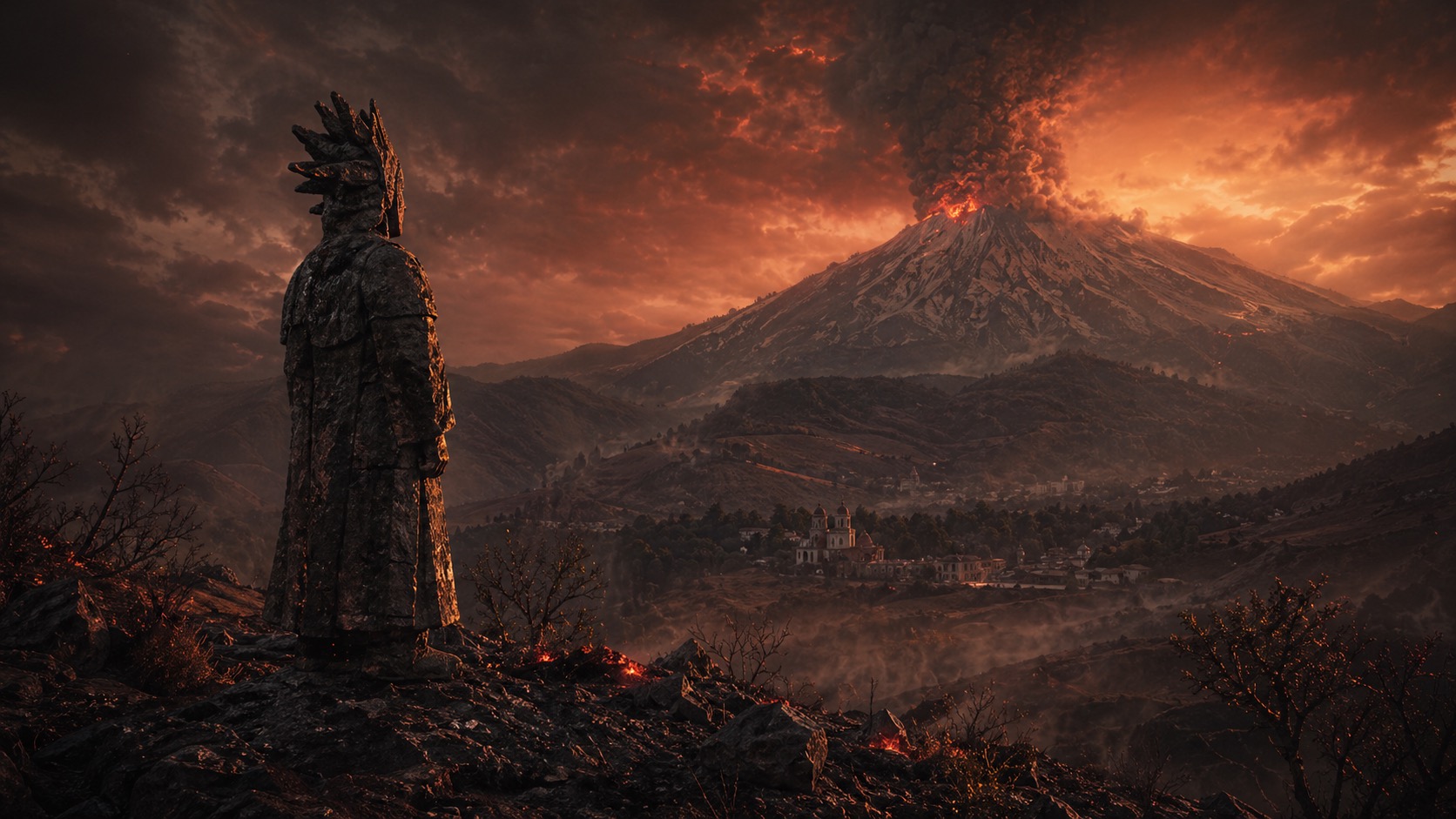
Mountain Heritage · Living
Atlautla · State of Mexico
Whenever the volcano rumbles, a motionless figure appears on the upper hills as if watching over the valley. Shepherds say it is neither man nor stone, but an ancient guardian awakened whenever the mountain demands silence.
Read full legend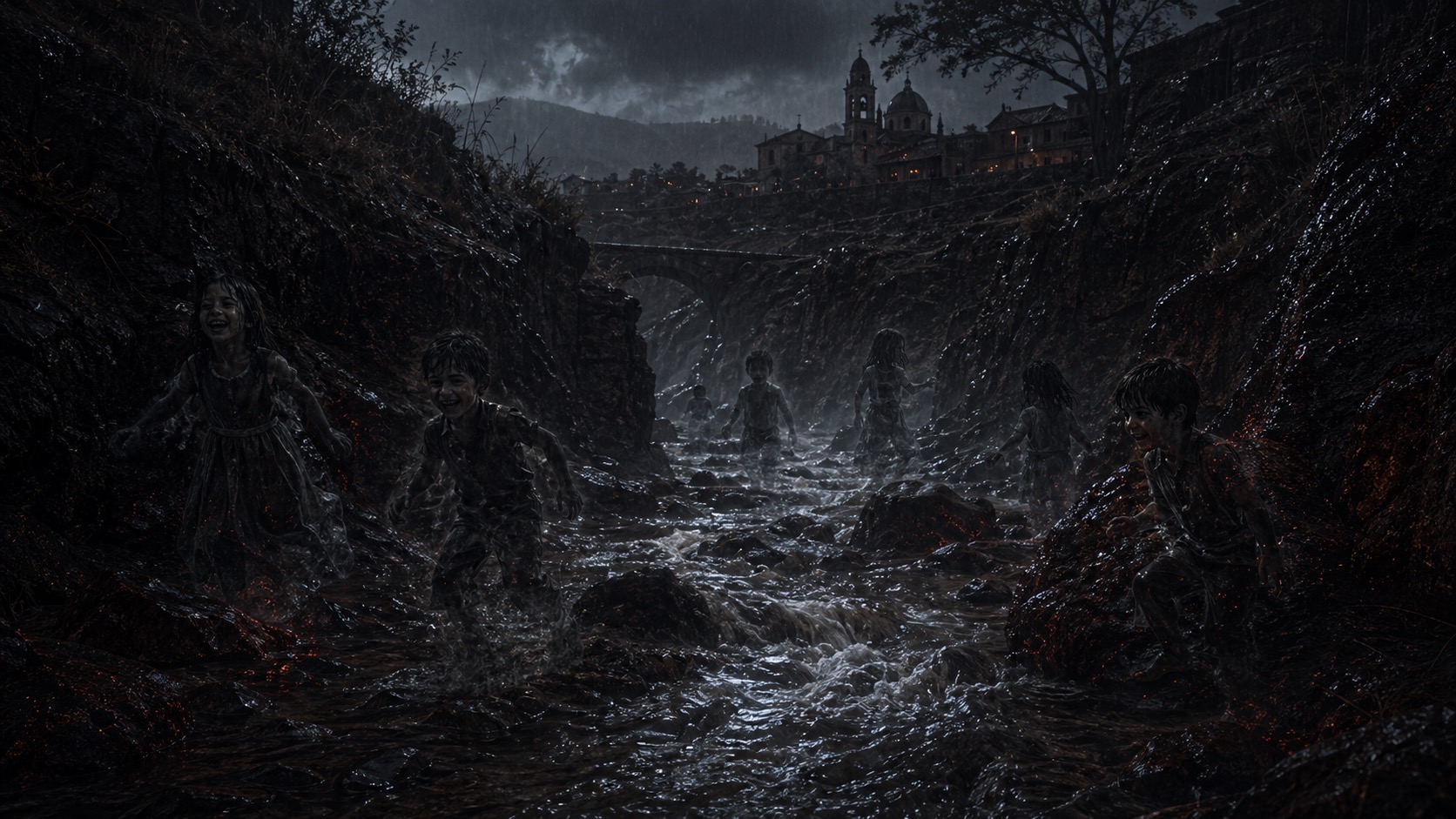
Popular Tradition · 19th Century
Atlautla · State of Mexico
In a ravine near the town, children's laughter is heard after the rains. Grandmothers say the voices belong to little ones lost in a flood, and that they appear only to those who walk carelessly near the water's edge.
Read full legend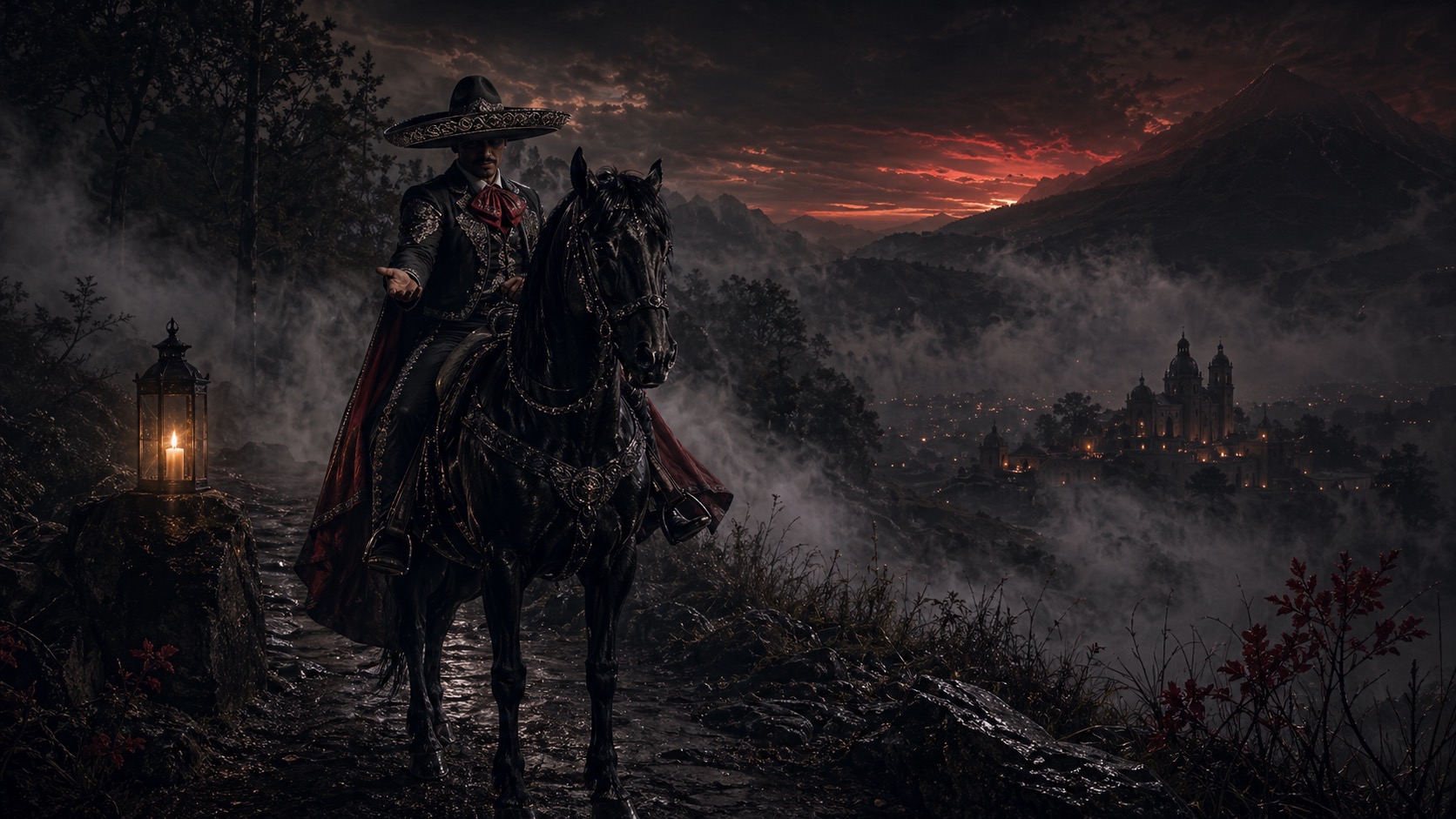
Popular Tradition · 20th Century
Atlautla · State of Mexico
Dressed in finery and mounted on a shining horse, a charro appears in the mist offering fortune to ambitious young men. Those who accept seem to prosper for a time, until a dark debt robs them of peace.
Read full legend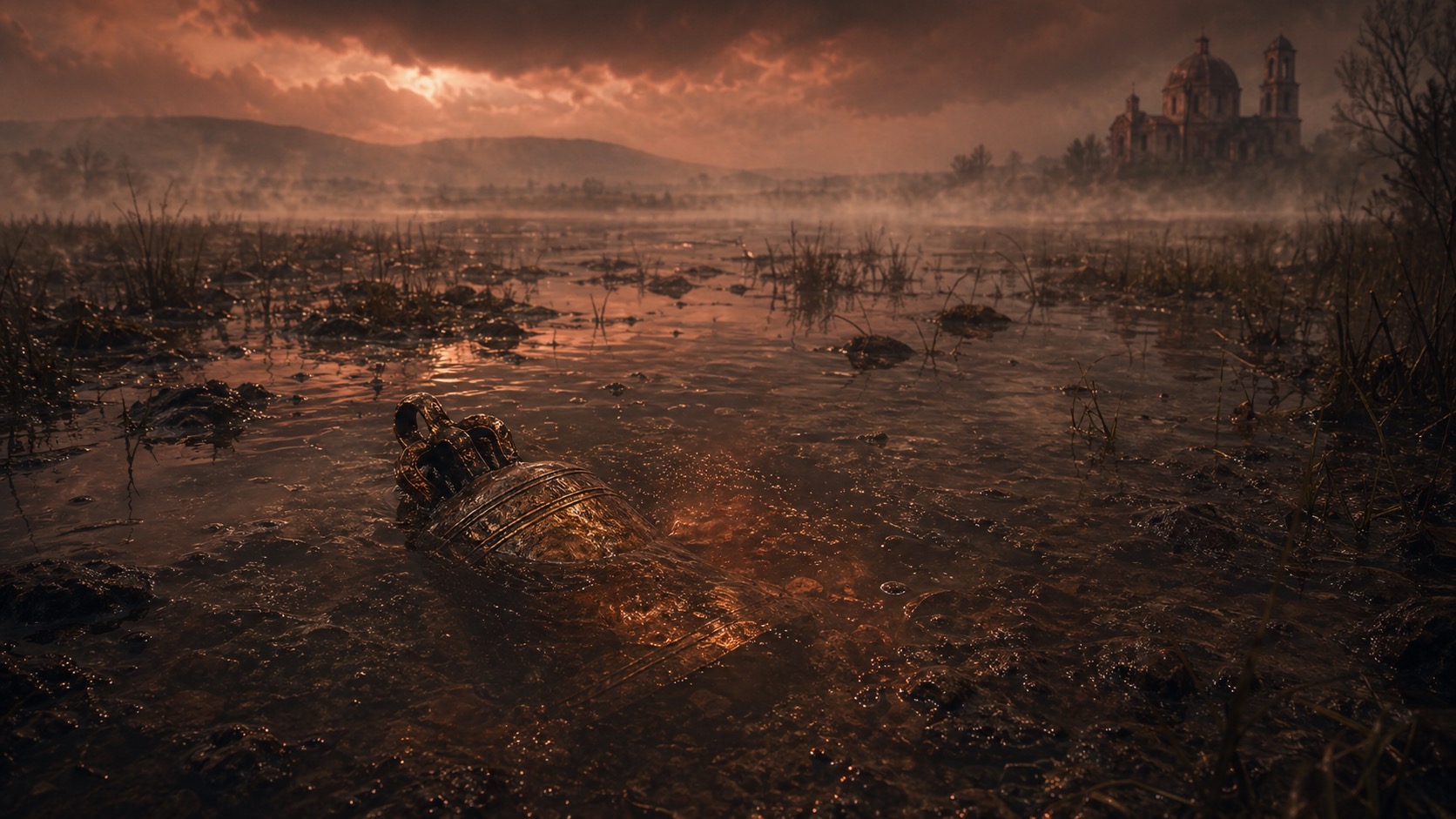
Viceregal Transition · 16th Century
Texcoco · State of Mexico
Although the old lake receded centuries ago, there are still nights when some people hear a bell beneath the damp earth. The legend says it belonged to a chapel swallowed by the water when men offended the ancient lords of the valley.
Read full legend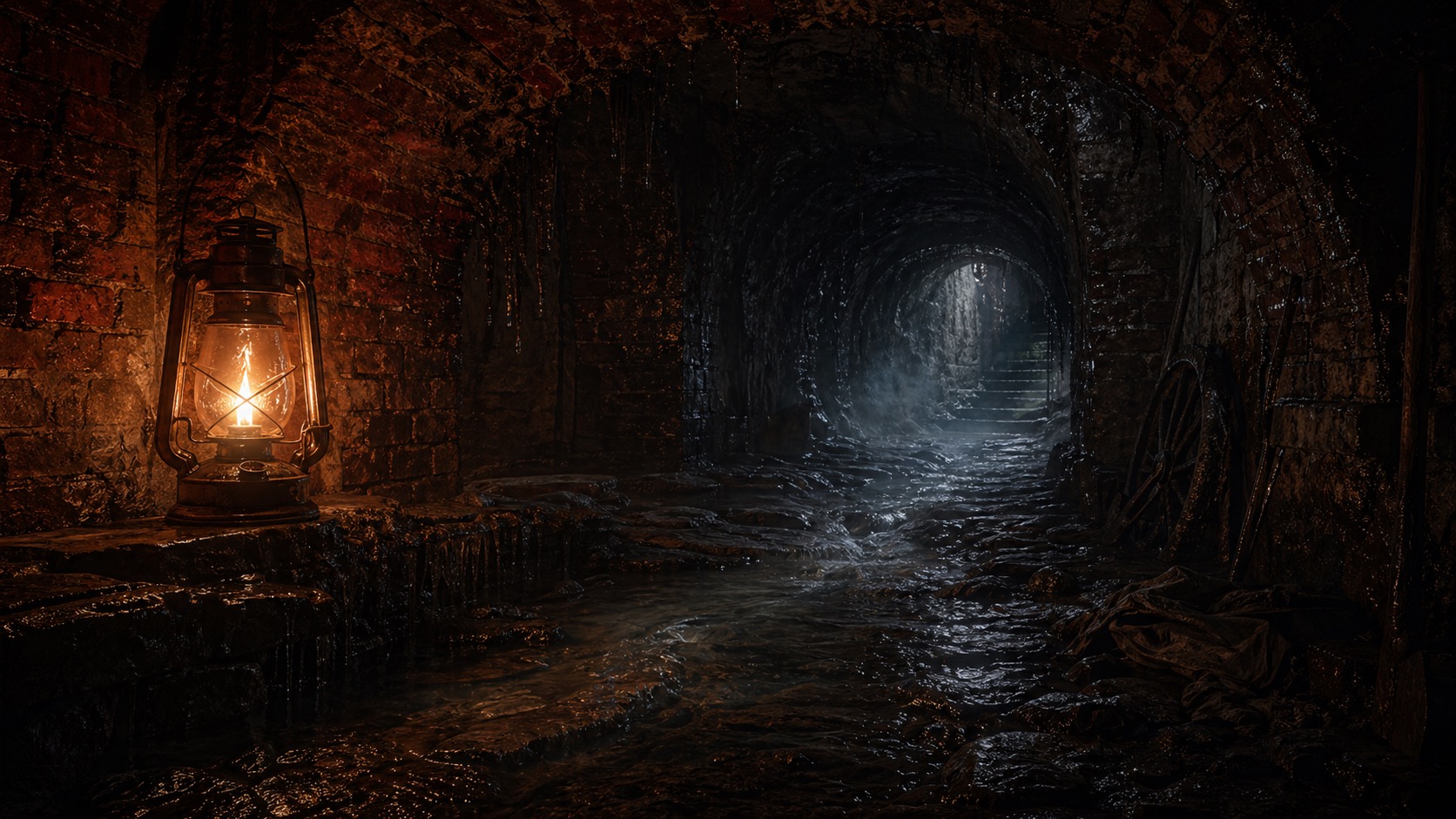
Colonial Era · 18th Century
Texcoco · State of Mexico
Beneath the historic grounds of Chapingo, people still whisper about tunnels that once linked haciendas, chapels, and refuges. Those who have gone down out of curiosity describe freezing drafts and old boots advancing where no one can be seen.
Read full legend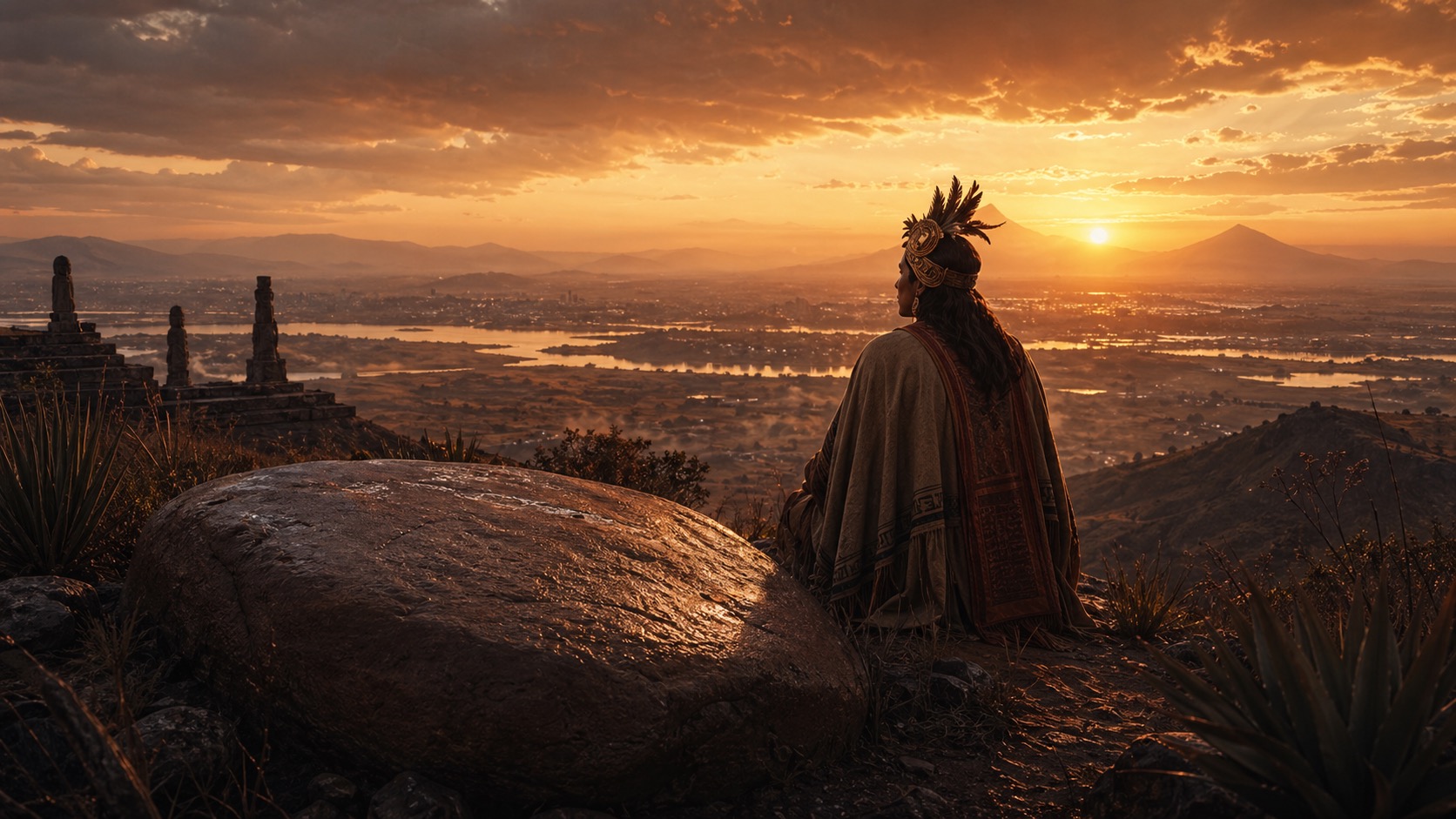
Pre-Hispanic Memory · Living
Texcoco · State of Mexico
In the nearby hills, a smooth and silent stone is said to be the place where Nezahualcoyotl once listened to his dead. Locals believe that anyone who sits there at dawn begins to hear thoughts that are not entirely their own.
Read full legend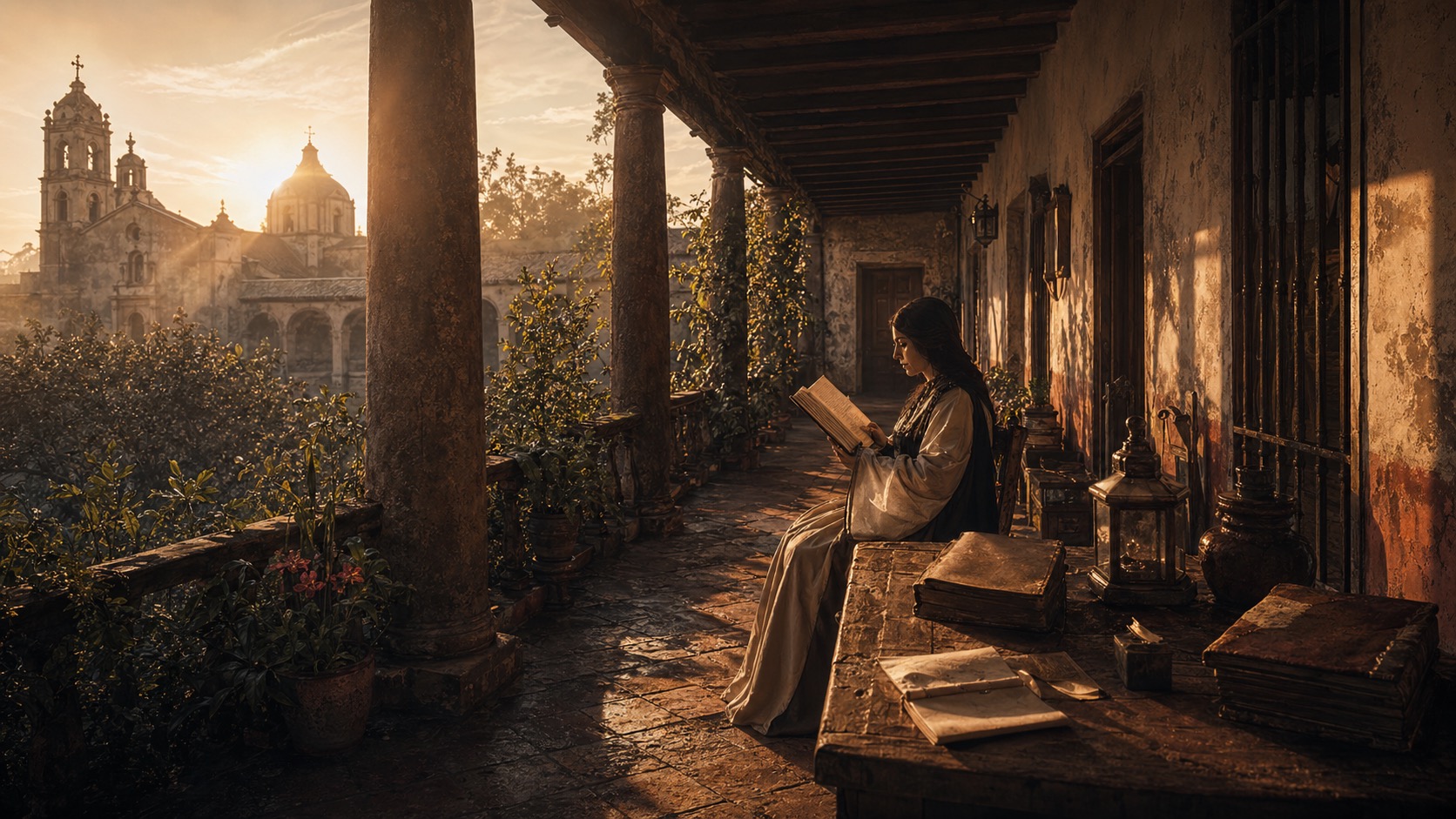
New Spain Memory · 17th Century
Nepantla · State of Mexico
Outside Sor Juana's birthplace, some visitors have seen a female silhouette reading in the dawn light before dissolving into the corridor. The sight inspires less fear than the strange certainty that words, too, can leave ghosts behind.
Read full legend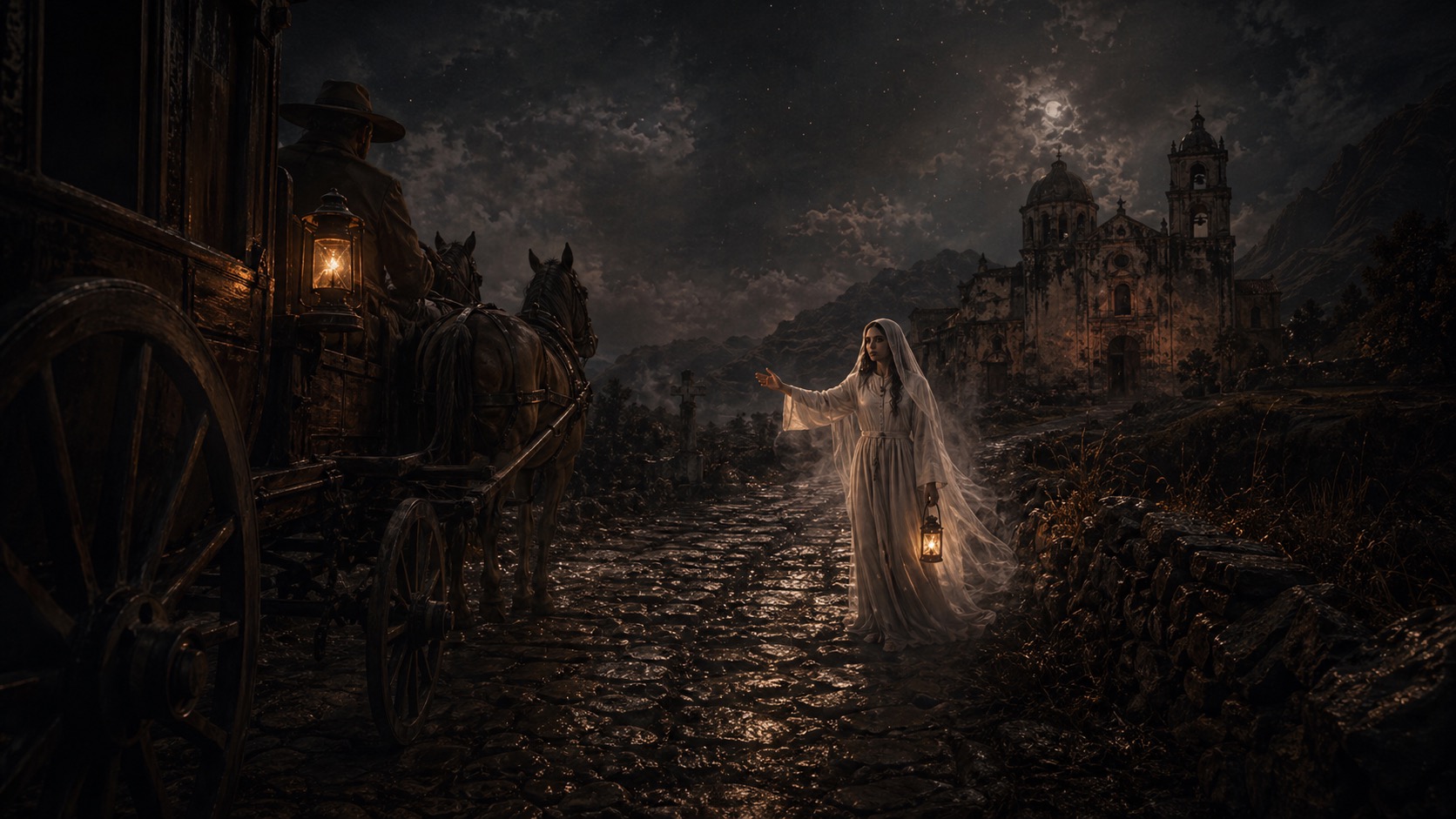
Colonial Era · 18th Century
Nepantla · State of Mexico
A young woman dressed in white asks solitary travelers for help and vanishes as soon as the cart or car comes to a stop. Elders say she was a novice sent away for loving someone she was forbidden to love.
Read full legend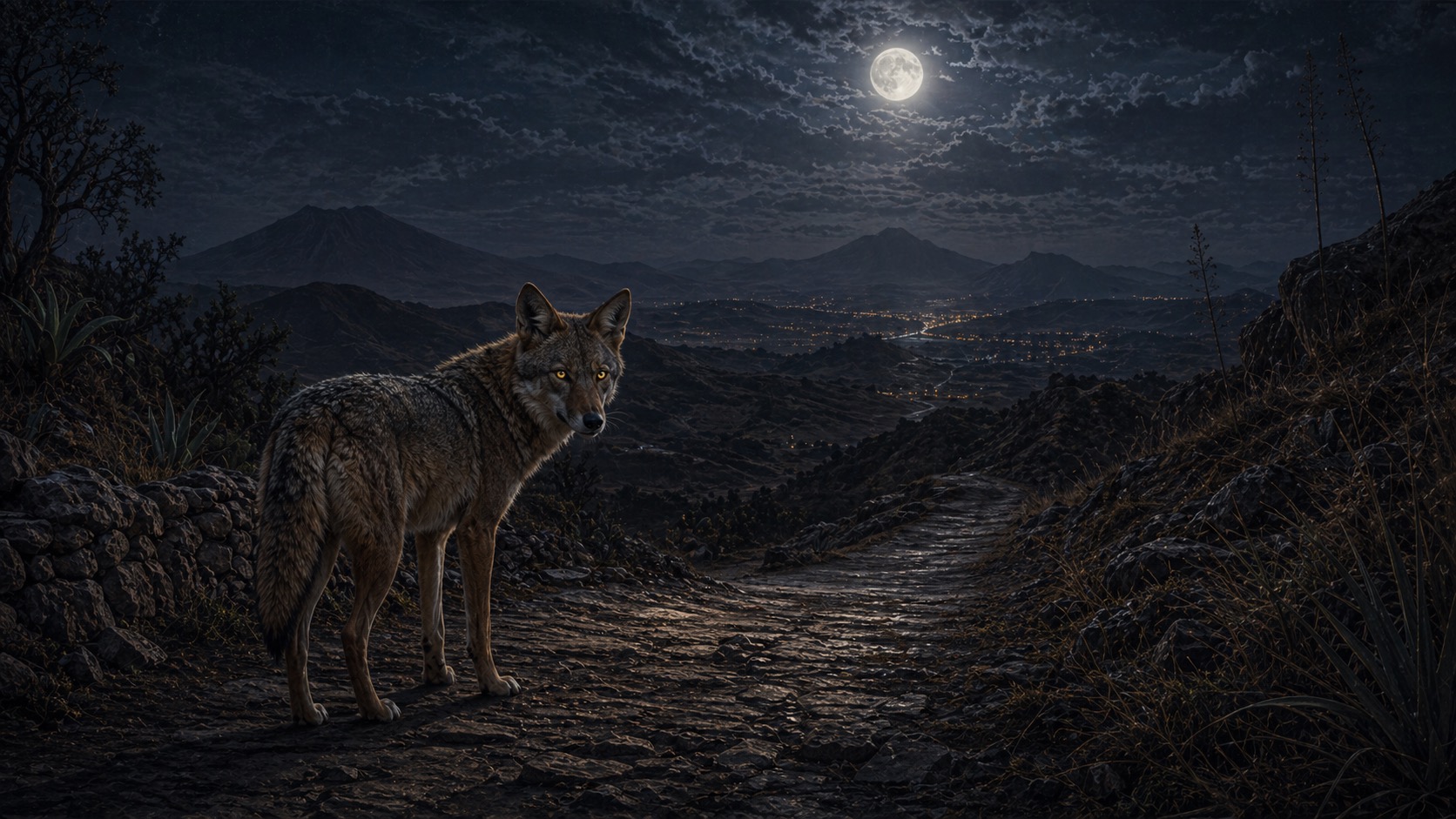
Mountain Tradition · Living
Nepantla · State of Mexico
On the trails descending toward Morelos, a yellow-eyed coyote appears and watches without attacking. Some say it is a protective nahual; others, the soul of a bandit still guarding the pass between the hills.
Read full legend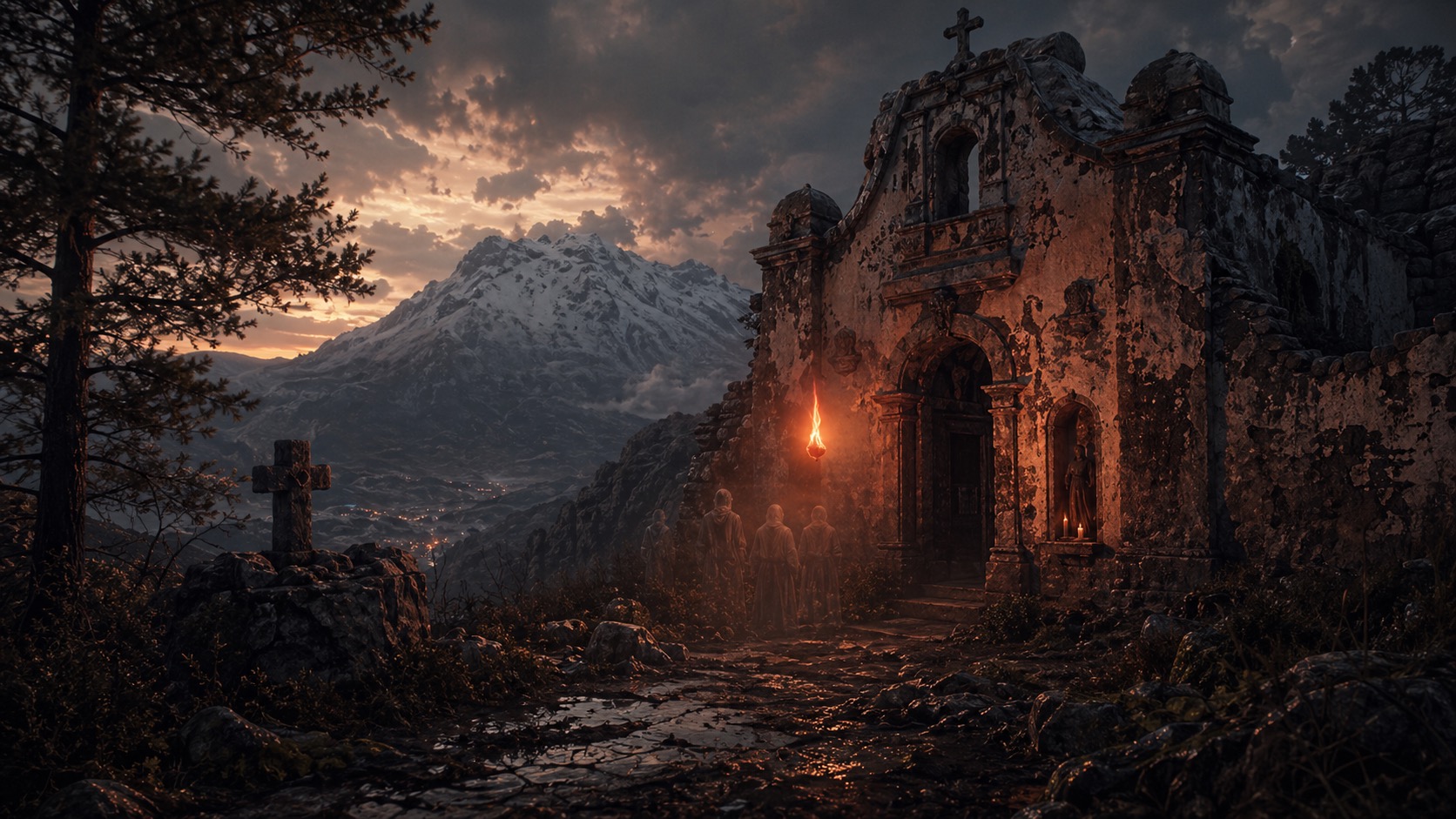
Mountain Devotion · 17th Century
Amecameca · State of Mexico
On certain dawns, a small flame appears suspended before an abandoned hermitage. The devout insist it is the prayer of monks who still keep watch over travelers once trapped by snow along the old volcanic passes.
Read full legend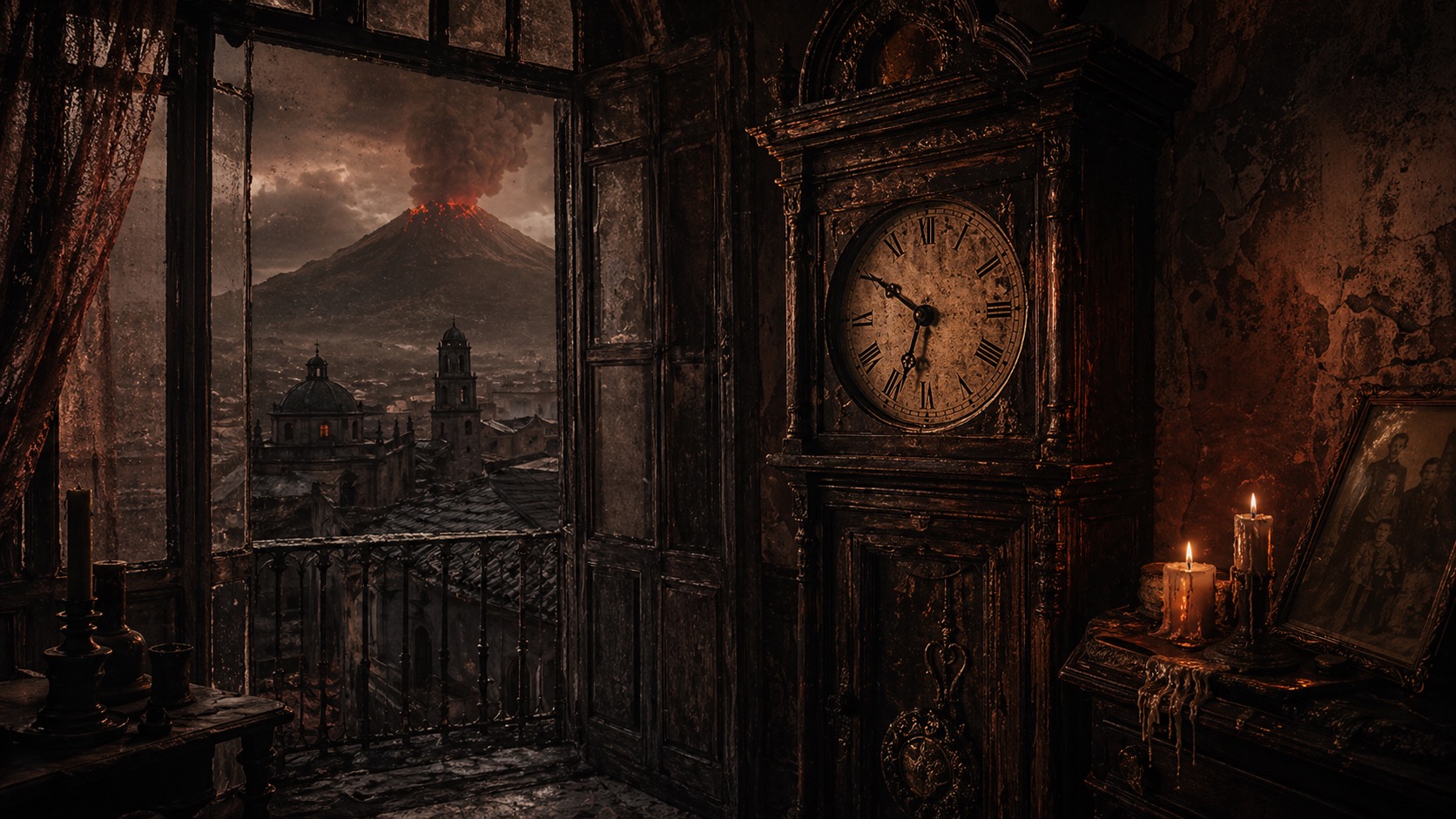
Family Tradition · 19th Century
Ozumba · State of Mexico
In an old townhouse at the center of Ozumba, a clock is said to stop each time ash from Popocatepetl settles over the rooftops. People claim it marked the exact hour when an entire family fled and never returned.
Read full legend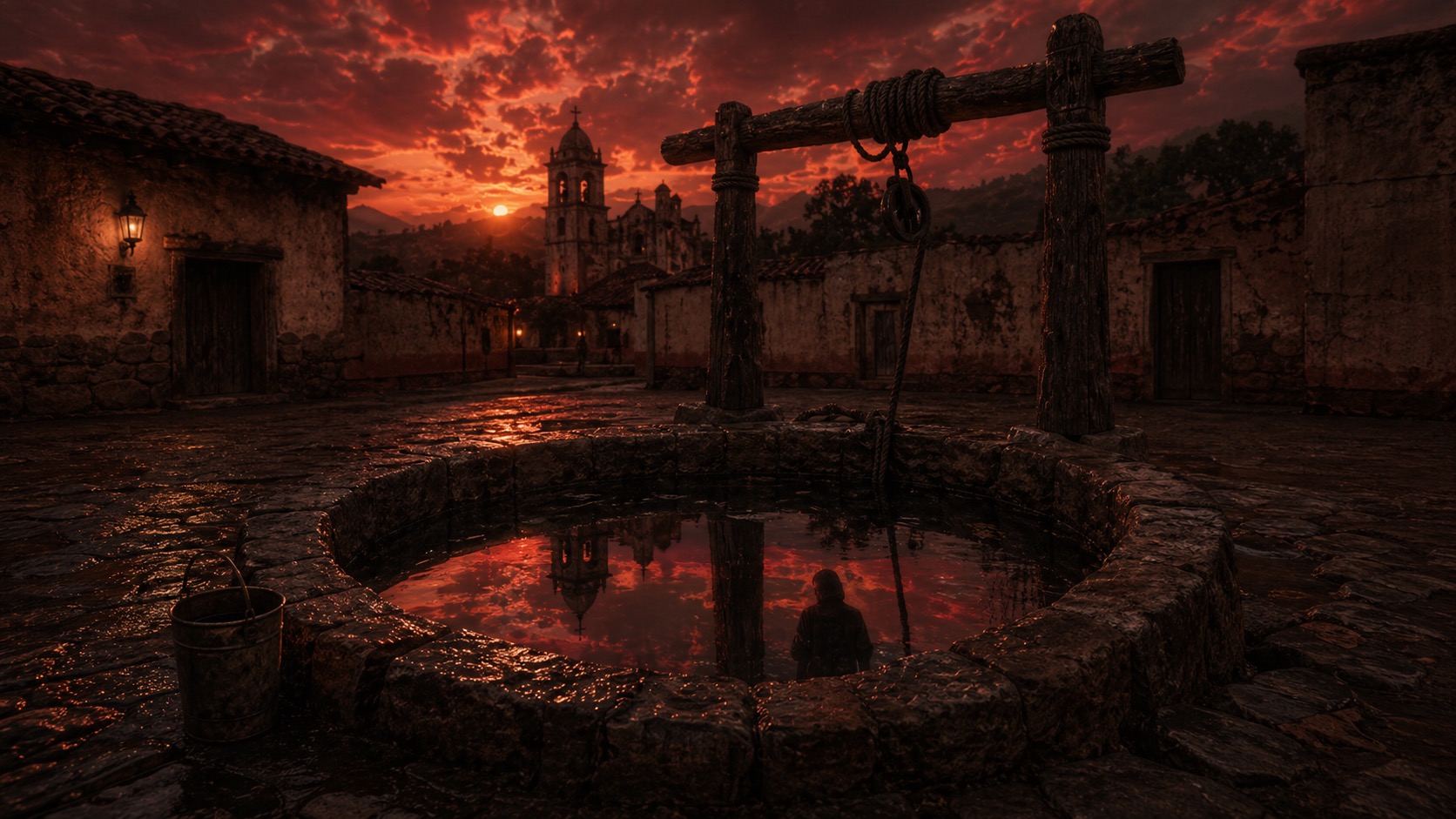
Popular Tradition · 19th Century
Atlautla · State of Mexico
Beside an old communal well, people say the water reflects not the present face but a future loss. Many dismiss it as superstition, yet no one in town leans over it alone when the sky turns red at dusk.
Read full legend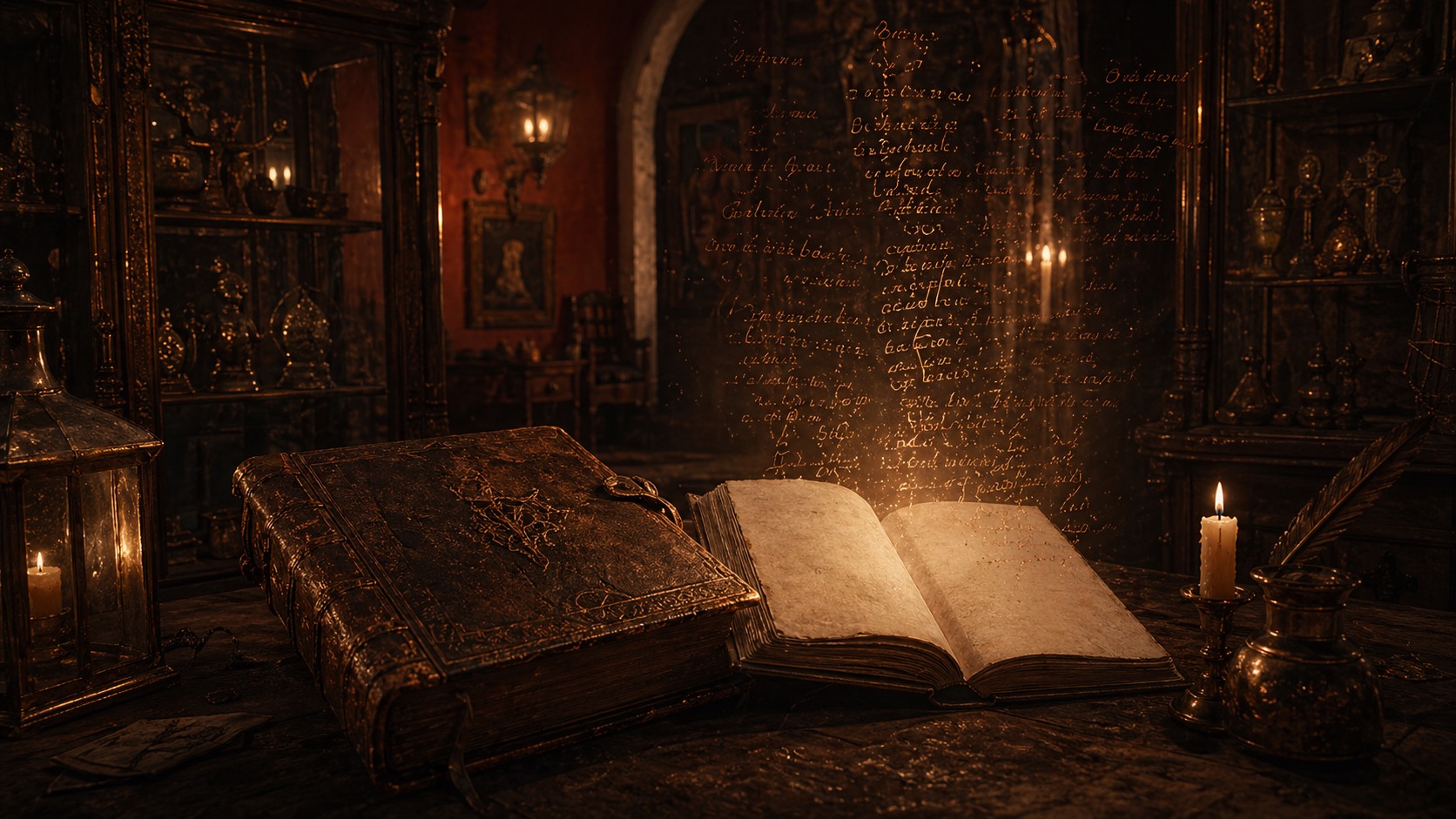
New Spain Imaginary · 17th Century
Nepantla · State of Mexico
A leather-bound volume is said to appear and disappear among the vitrines and old rooms of Nepantla. Whoever opens it finds a blank page on which their own secrets begin to write themselves slowly into view.
Read full legend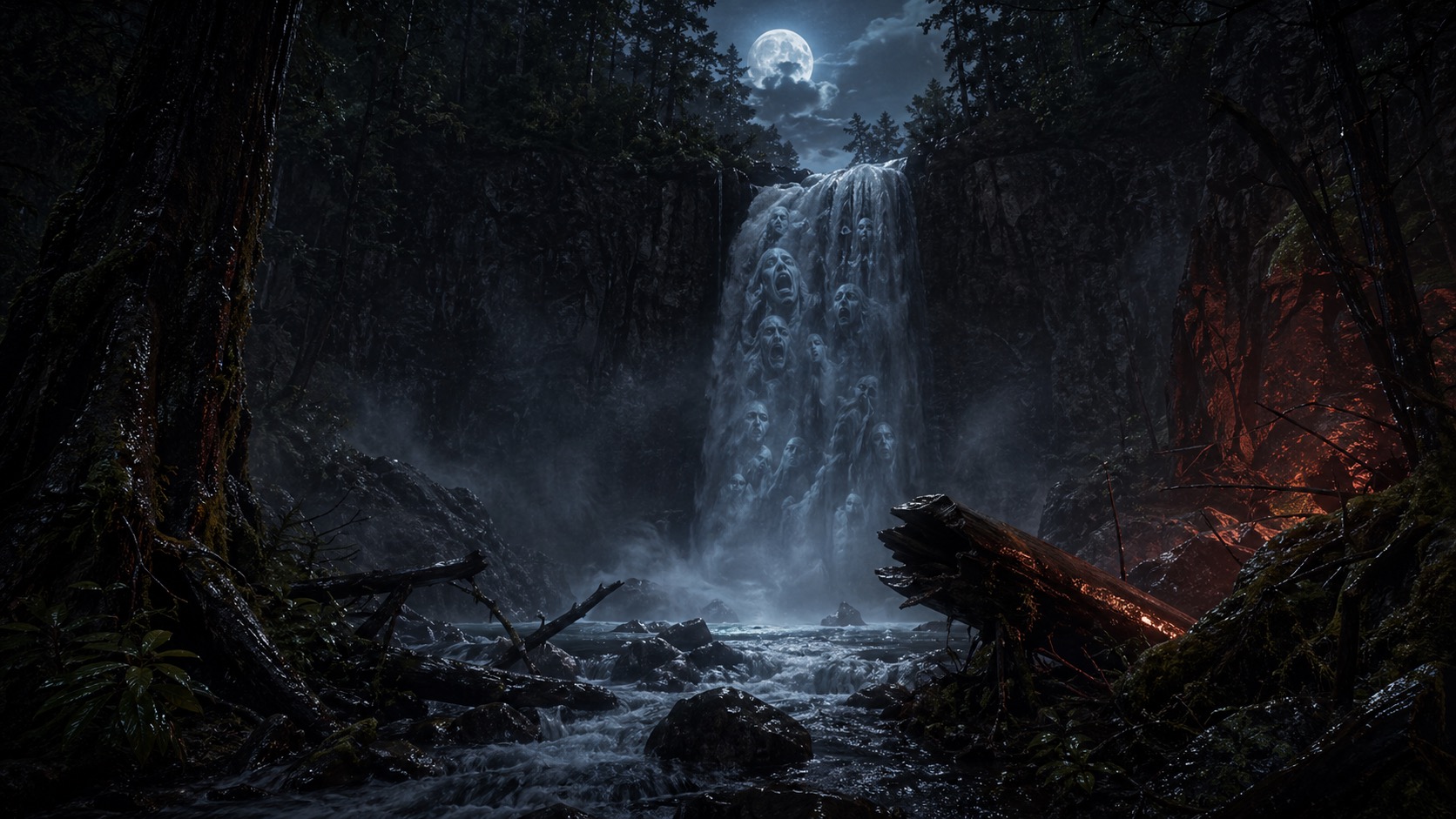
Forest Tradition · Living
Tlalmanalco · State of Mexico
Among the nearby mountains runs a waterfall whose sound changes with the hour. At midnight, woodcutters say it no longer sounds like a river but like a chorus of voices asking that the sacred forest not be cut down.
Read full legend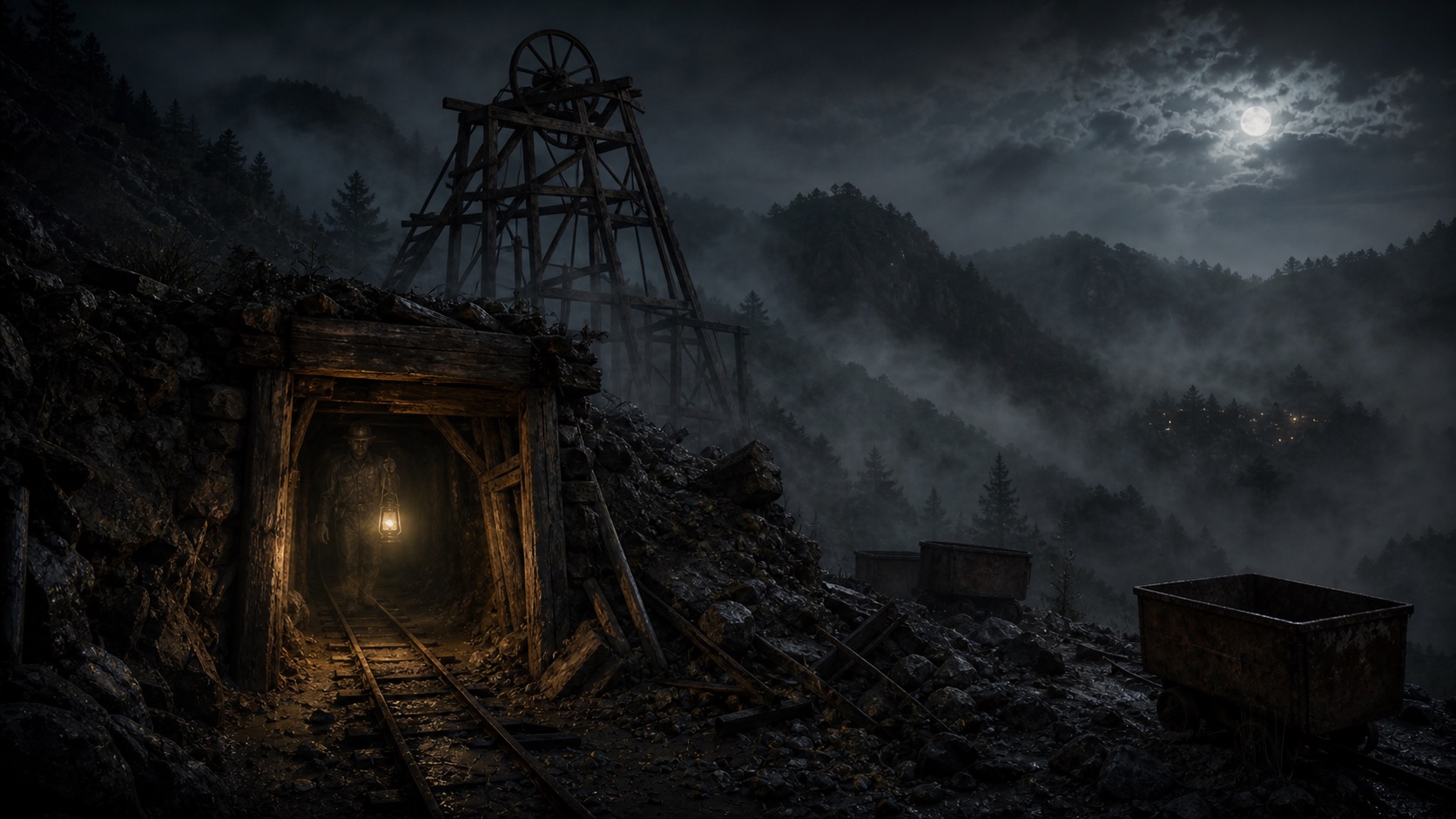
Mining Boom · 19th Century
El Oro de Hidalgo · State of Mexico
At the Tiro Norte mine in El Oro, guards speak of whistles, chains, and a lamp lowering itself into darkness. The figure carrying it is never fully seen, but it is enough to remind everyone that the wealth below ground left more than one worker without rest.
Read full legend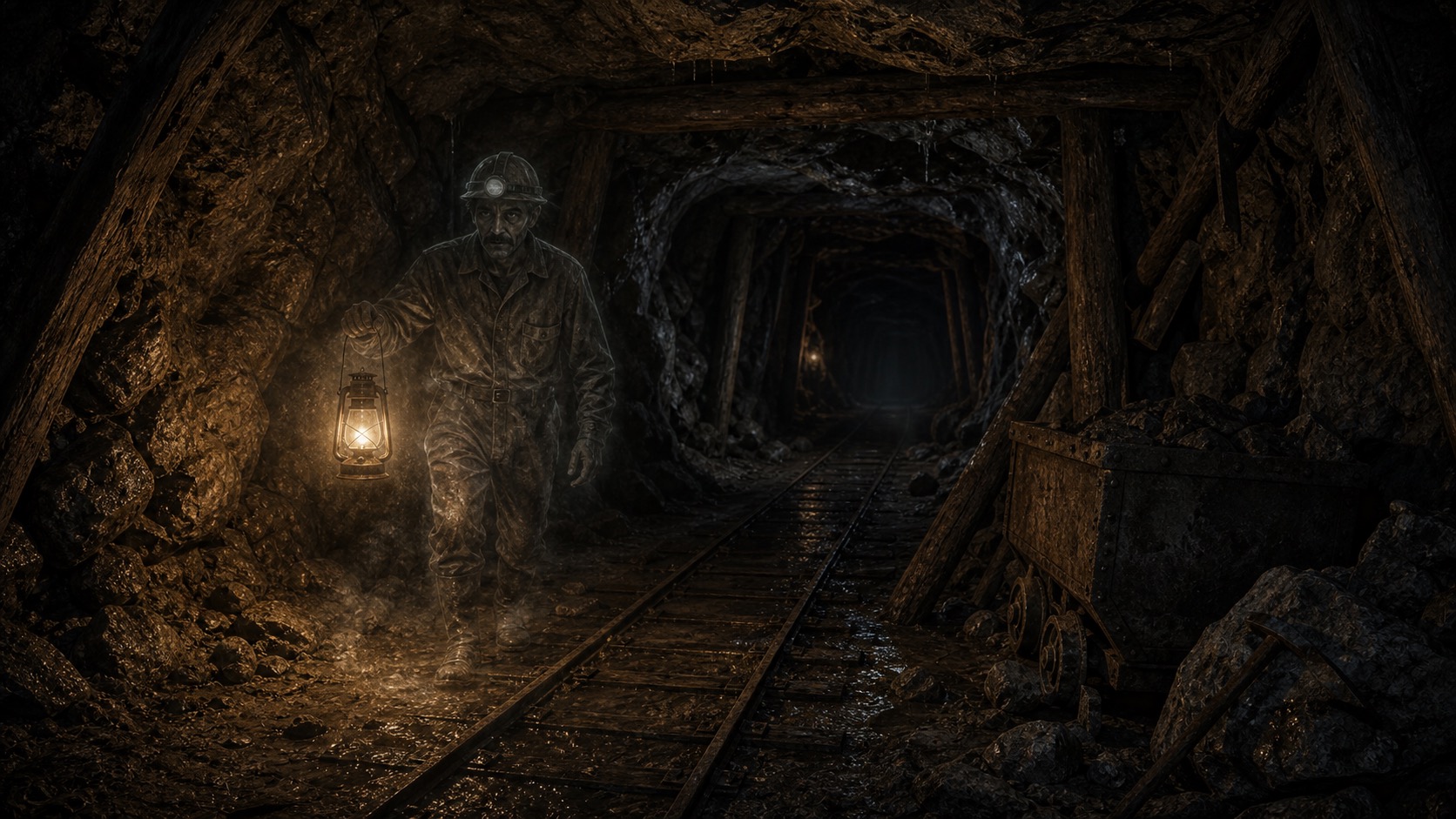
Mining Boom · 19th Century
El Oro de Hidalgo · State of Mexico
Near the Socavon San Juan, people say a carbide lamp still advances through galleries where no one should be working anymore. The man carrying it seems to be searching for his companions still, as if the collapse that buried him never convinced him to retire.
Read full legend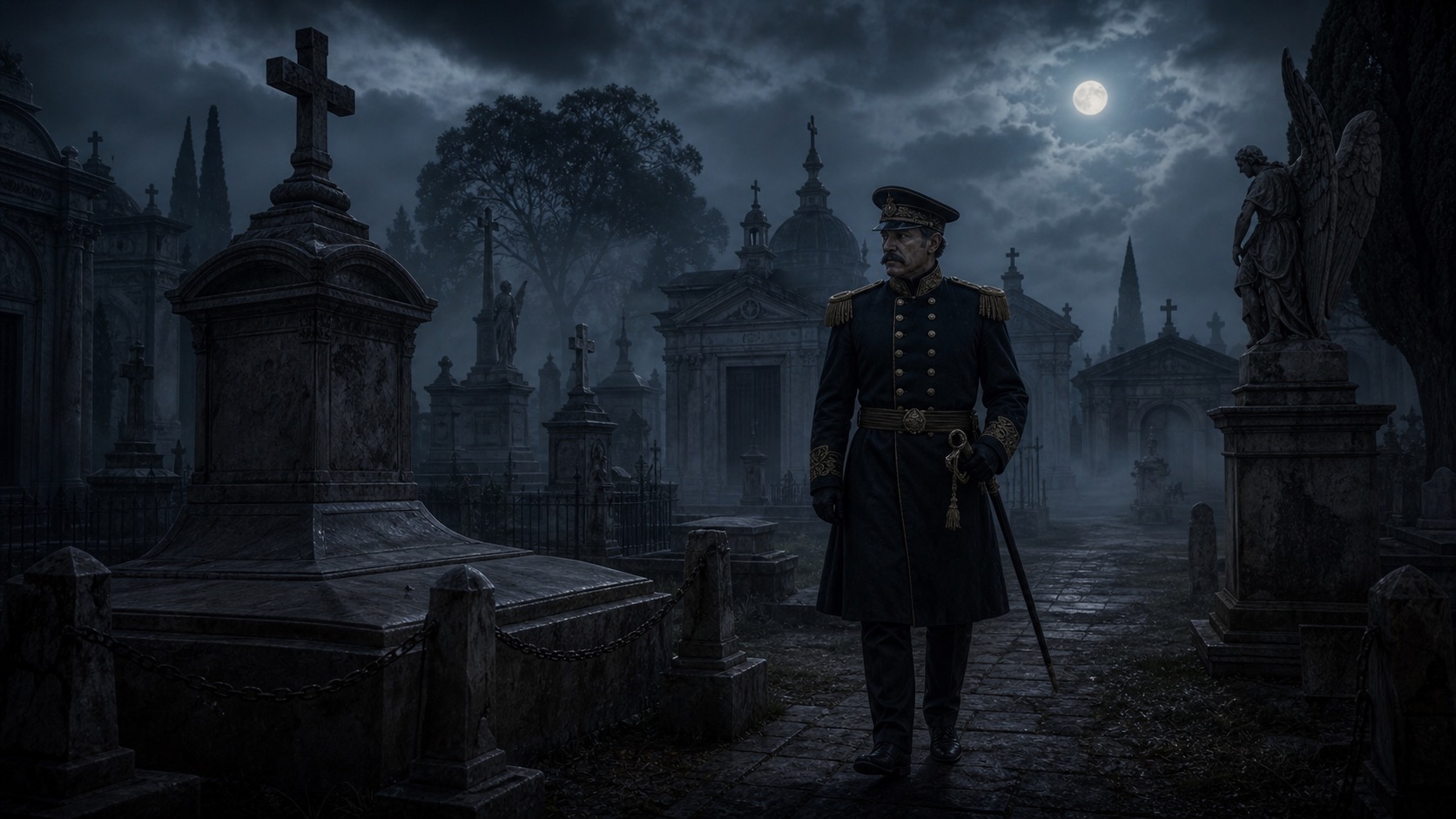
19th Century
Toluca · State of Mexico
At the cemetery of La Soledad, people say General Miramontes leaves his grave on certain nights to watch over it and frighten away anyone who approaches without respect. His story mixes war, punishment, and a military stubbornness that neither tombstone nor time managed to calm.
Read full legend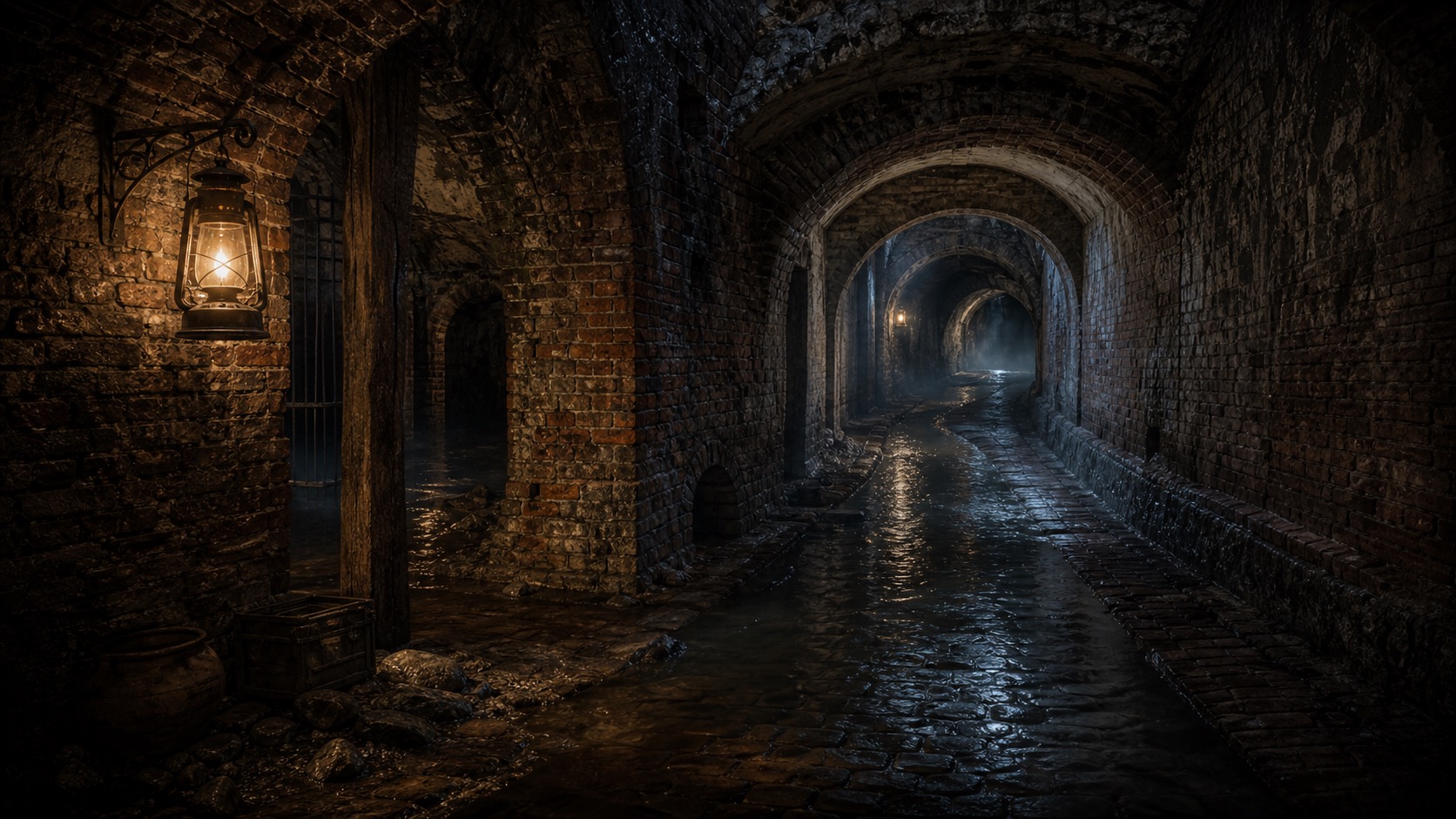
Colonial Era and 19th Century
Toluca · State of Mexico
Beneath the streets of downtown Toluca, rumors persist of passageways that once linked convents, churches, and stately houses. Stories of knocks, freezing drafts, and underground footsteps turned that lower city into a second Toluca: wetter, quieter, and less willing to forget.
Read full legend
Living Pre-Hispanic Tradition
Metepec · State of Mexico
Half woman and half creature of the water, the Tlanchana is the ancient lady of the valley's bodies of water. She seduces, protects, or punishes depending on one's relationship to water, and her survival recalls that Metepec was once a territory of lagoons, tule reeds, and sacred depth.
Read full legend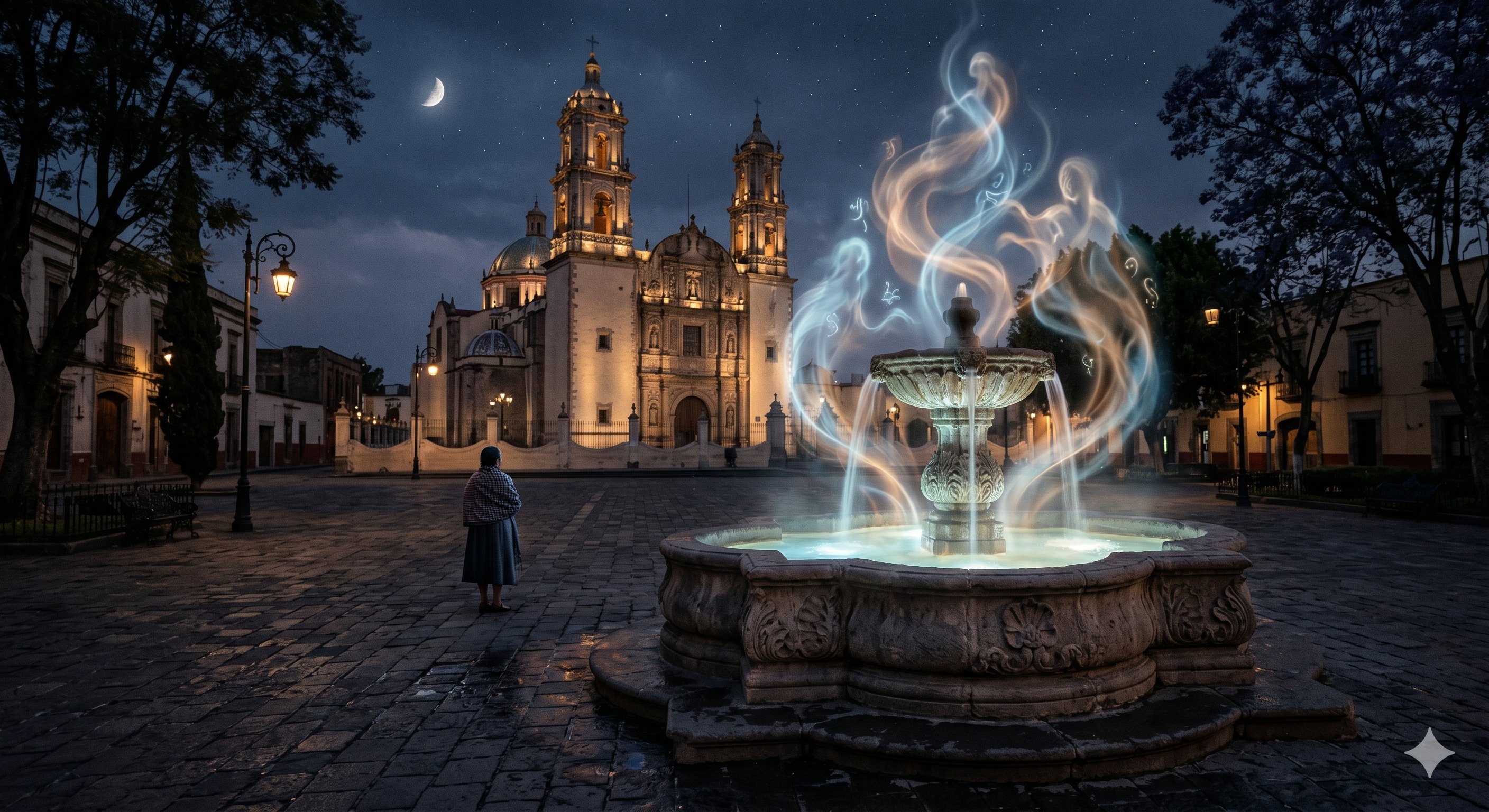
Contemporary neighborhood tradition
Avenida Revolución y Plaza del Carmen · Álvaro Obregón · Mexico City
The Whispering Fountain of San Ángel is told around Avenida Revolución y Plaza del Carmen, Álvaro Obregón: water that seems to repeat old names when the square falls quiet.
Read full legend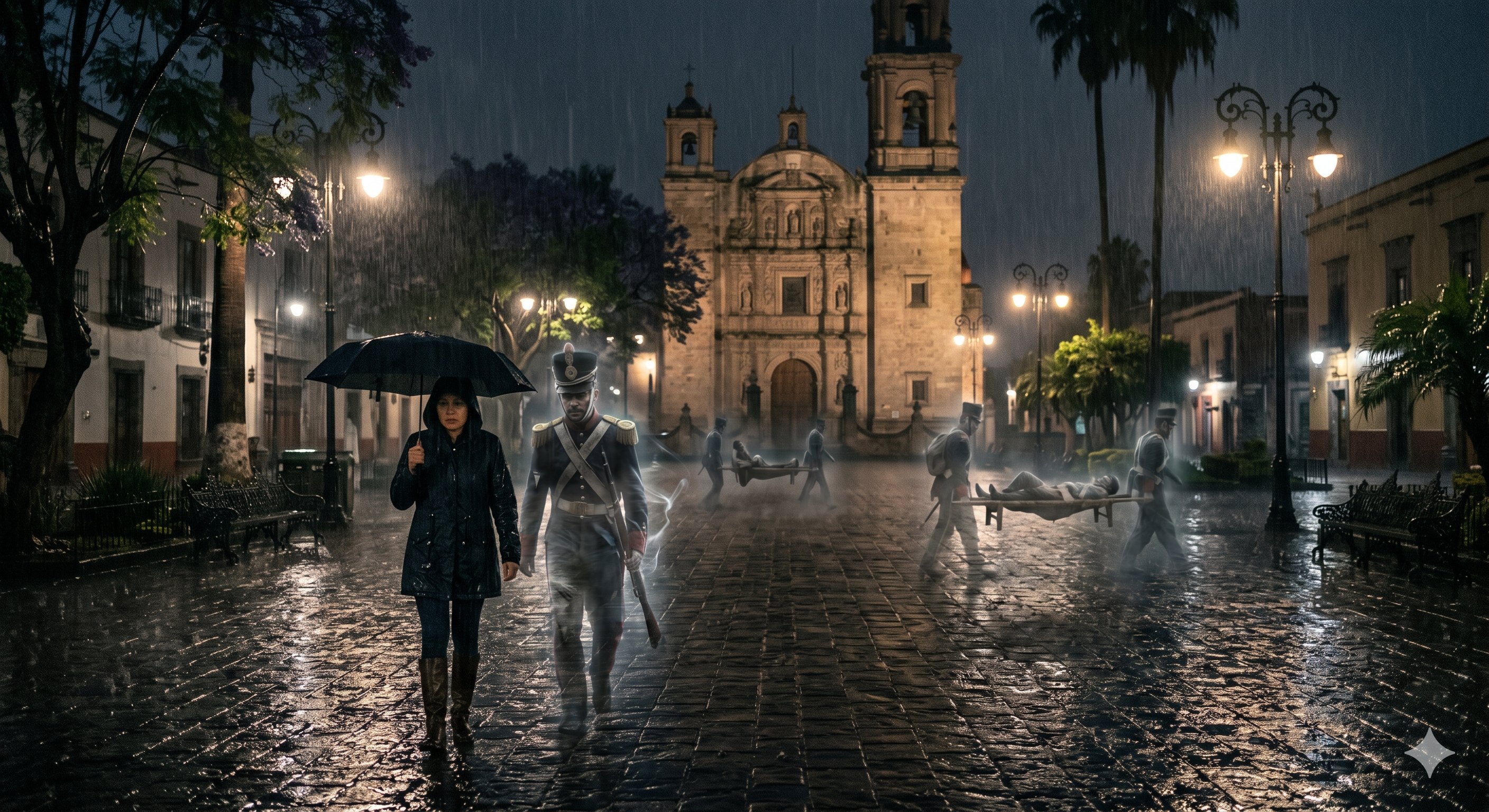
U.S. invasion · 1847
Plaza San Jacinto · Álvaro Obregón · Mexico City
The Invisible Hospital of San Jacinto is told around Plaza San Jacinto, Álvaro Obregón: stretchers, footsteps, and wounded soldiers' voices remembered by the square on rainy nights.
Read full legend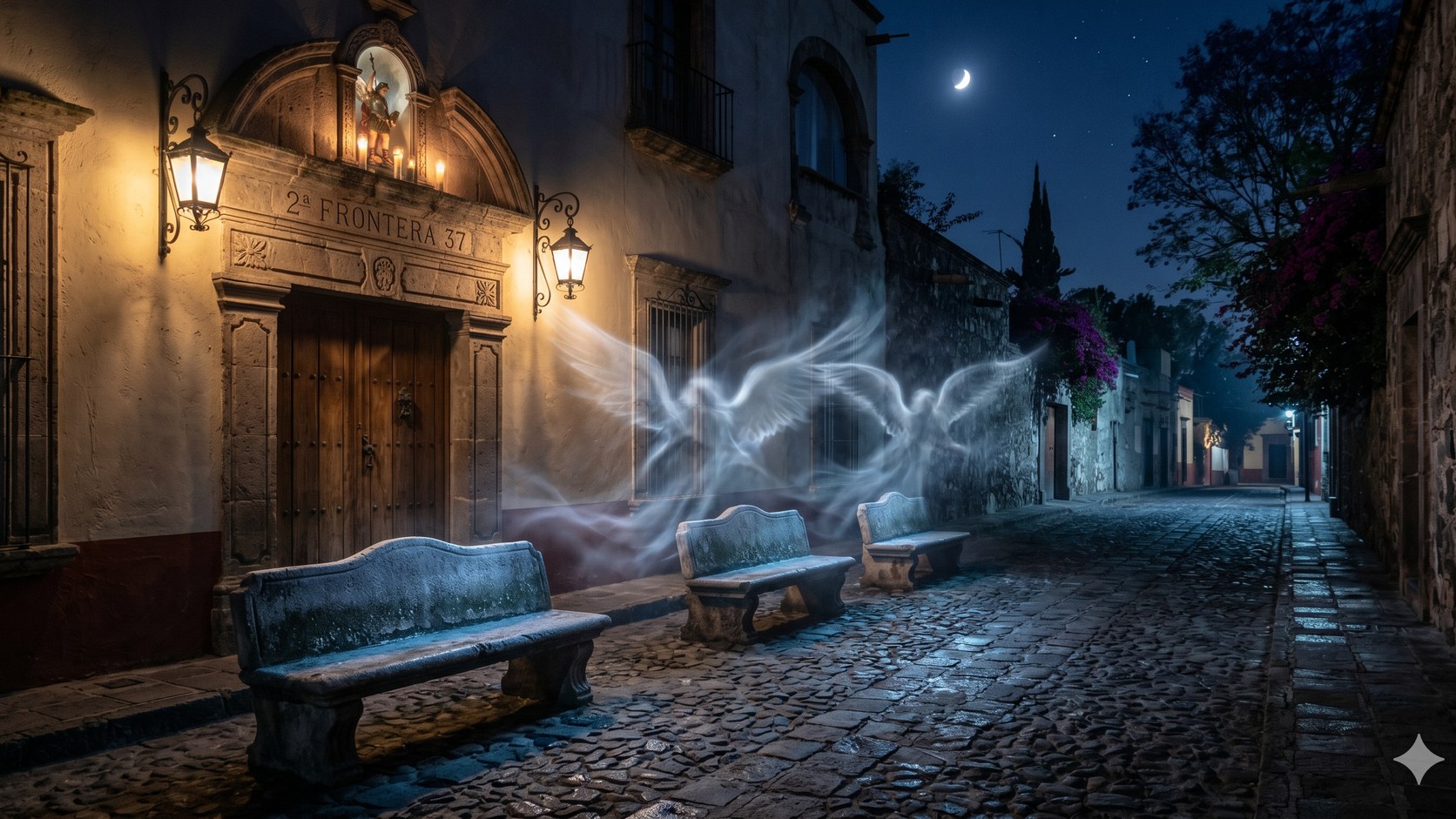
Urban tradition · 20th century
2a Frontera 37 · Álvaro Obregón · Mexico City
The Archangels of Frontera Street is told around 2a Frontera 37, Álvaro Obregón: three stone benches said to change temperature before bad news arrives.
Read full legend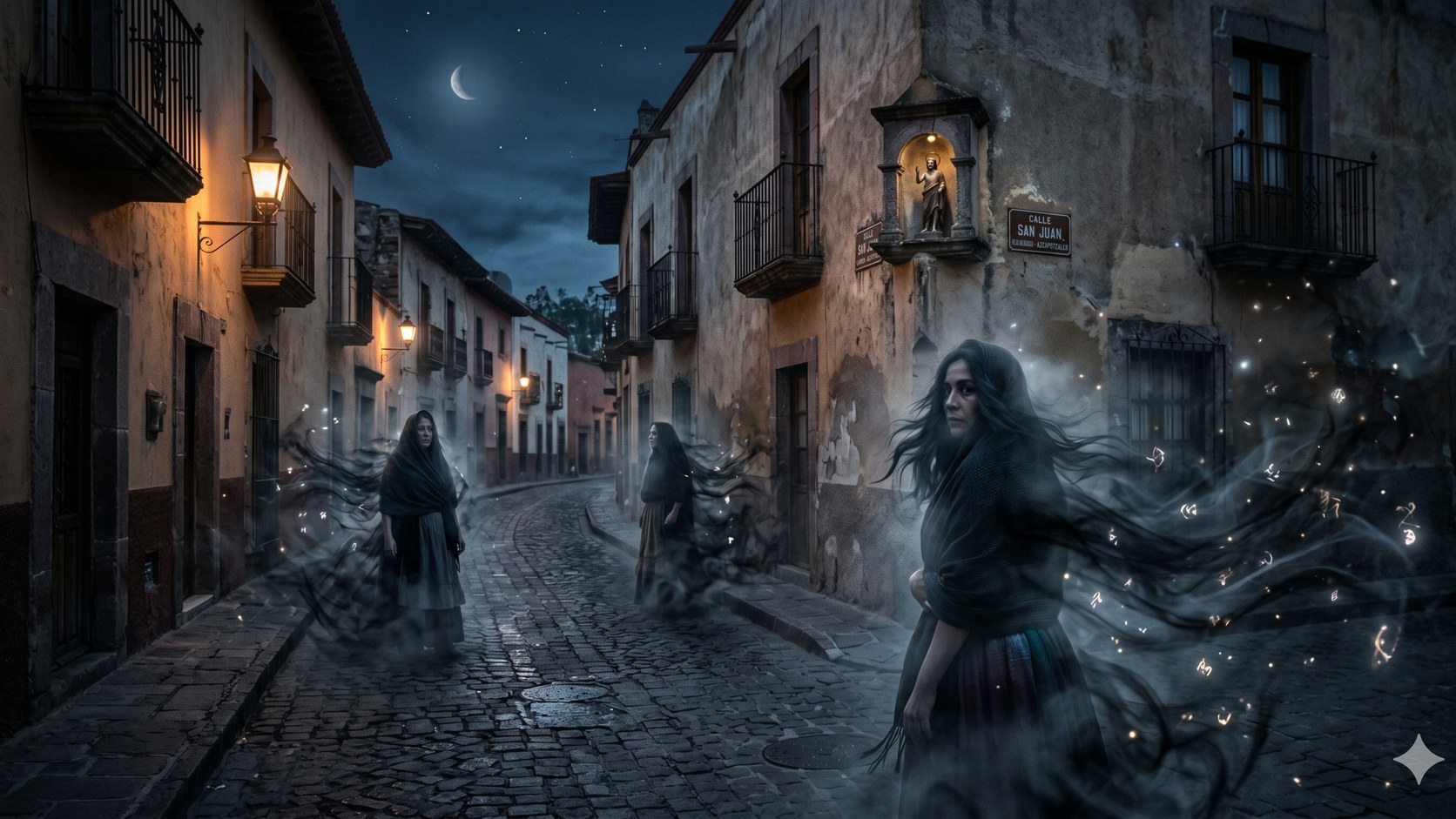
Living oral tradition
Pueblo San Juan Tlilhuaca · Azcapotzalco · Mexico City
The Witches of San Juan Tlilhuaca is told around Pueblo San Juan Tlilhuaca, Azcapotzalco: the town's old reputation for witchcraft, where narrow streets seem to keep pacts.
Read full legend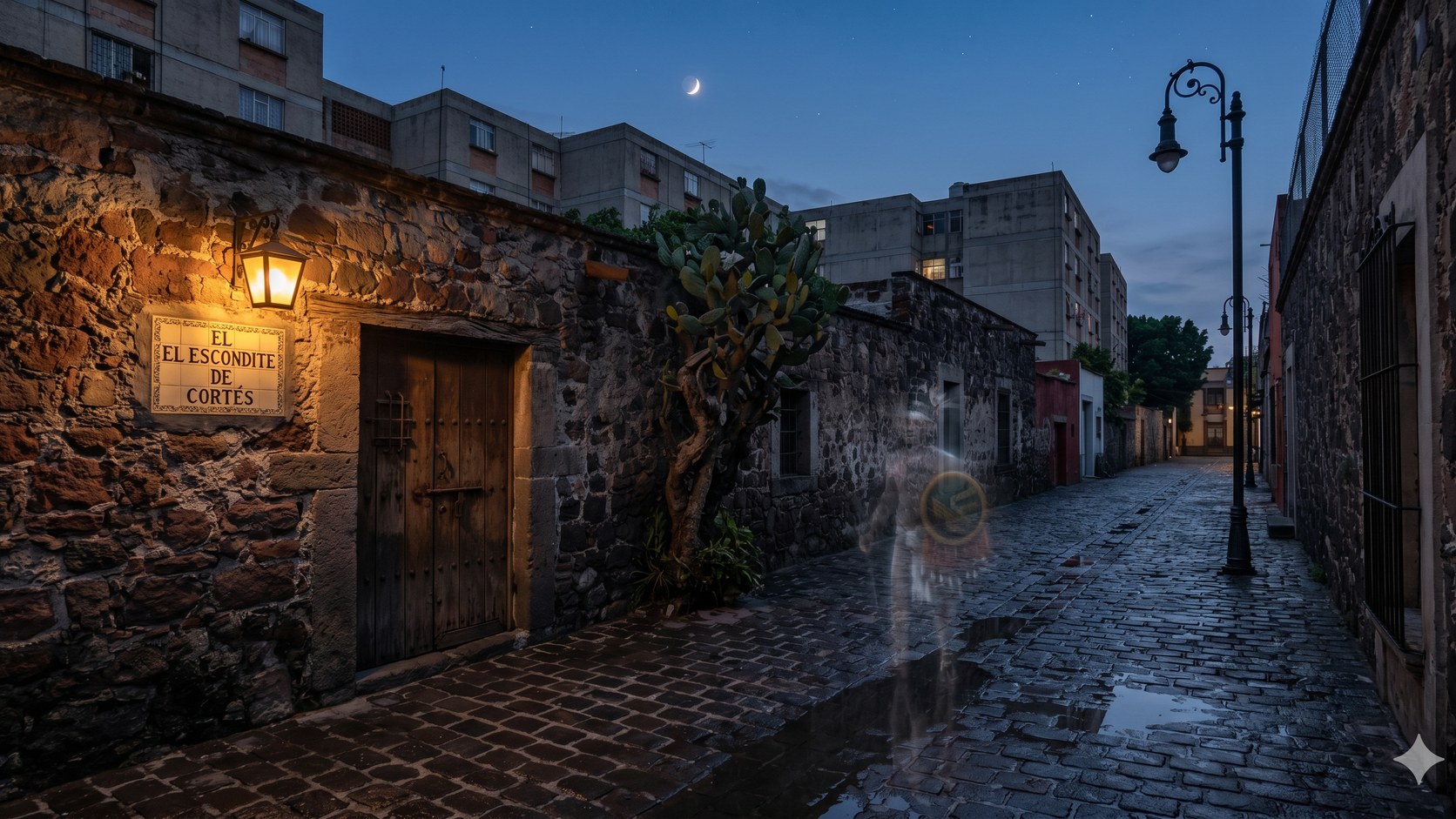
Conquest · 1521
Unidad Cuitláhuac, San Juan Huacalco · Azcapotzalco · Mexico City
Cortes' Hiding Place in Huacalco is told around Unidad Cuitláhuac, San Juan Huacalco, Azcapotzalco: a refuge attributed to Cortes and an older Indigenous memory that refuses to disappear.
Read full legend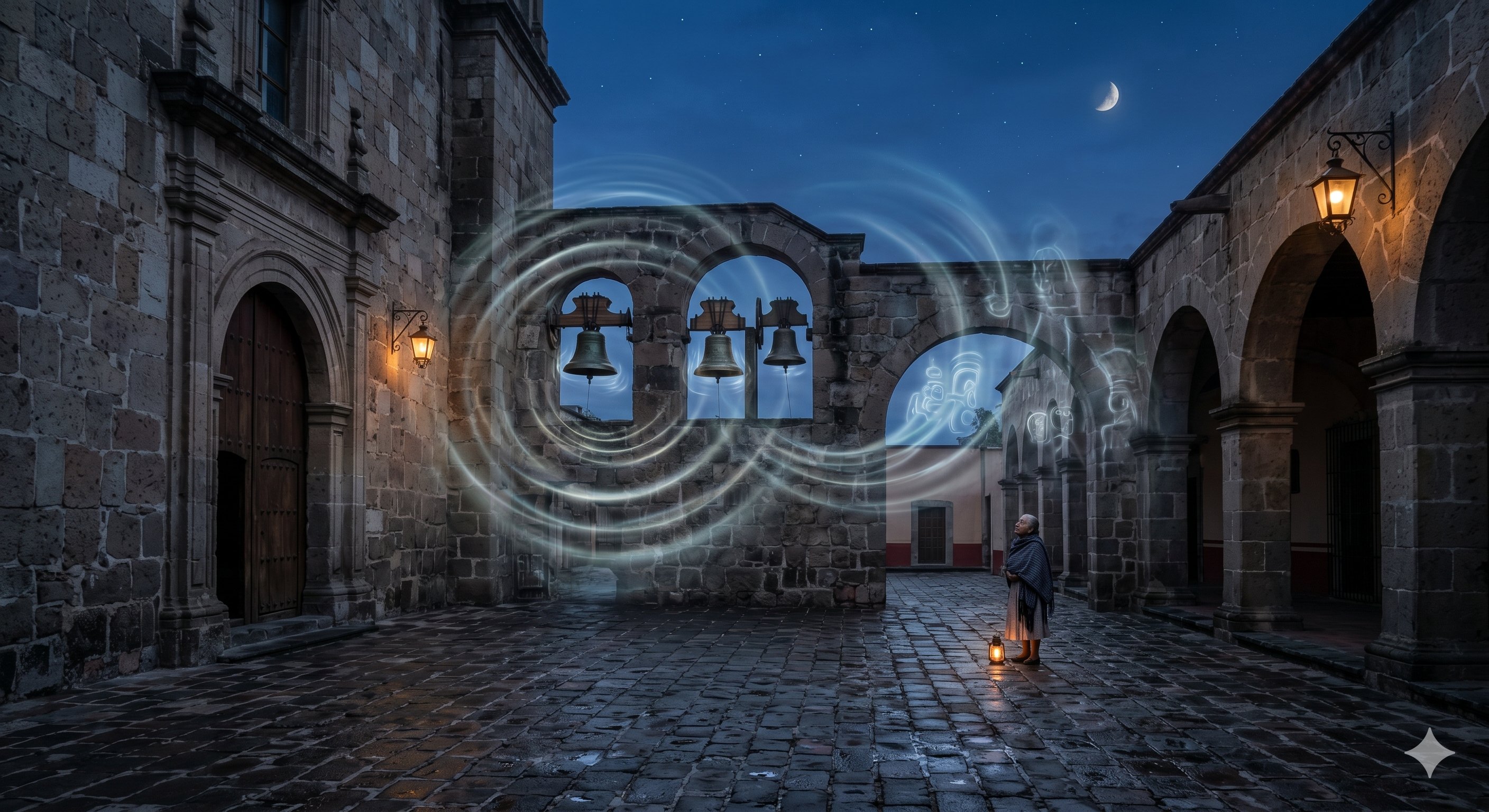
Colonial devotion · 17th century
Santa Lucía Tomatlán · Azcapotzalco · Mexico City
The Towerless Bells of Santa Lucía is told around Santa Lucía Tomatlán, Azcapotzalco: bells set in arches that local memory says need no tower to announce presences.
Read full legend
Pre-Hispanic memory · Living
Zona Arqueológica de Mixcoac · Benito Juárez · Mexico City
The Cloud Serpent of Mixcoac is told around Zona Arqueológica de Mixcoac, Benito Juárez: a cloud viper tied to the old shrine, waking when the wind shifts.
Read full legend
Original settlement tradition
Calzada San Simón 125 · Benito Juárez · Mexico City
The Foreign Nobles of San Simón is told around Calzada San Simón 125, Benito Juárez: figures seeking shelter in the temple whenever the memory of 1847 returns to the neighborhood.
Read full legend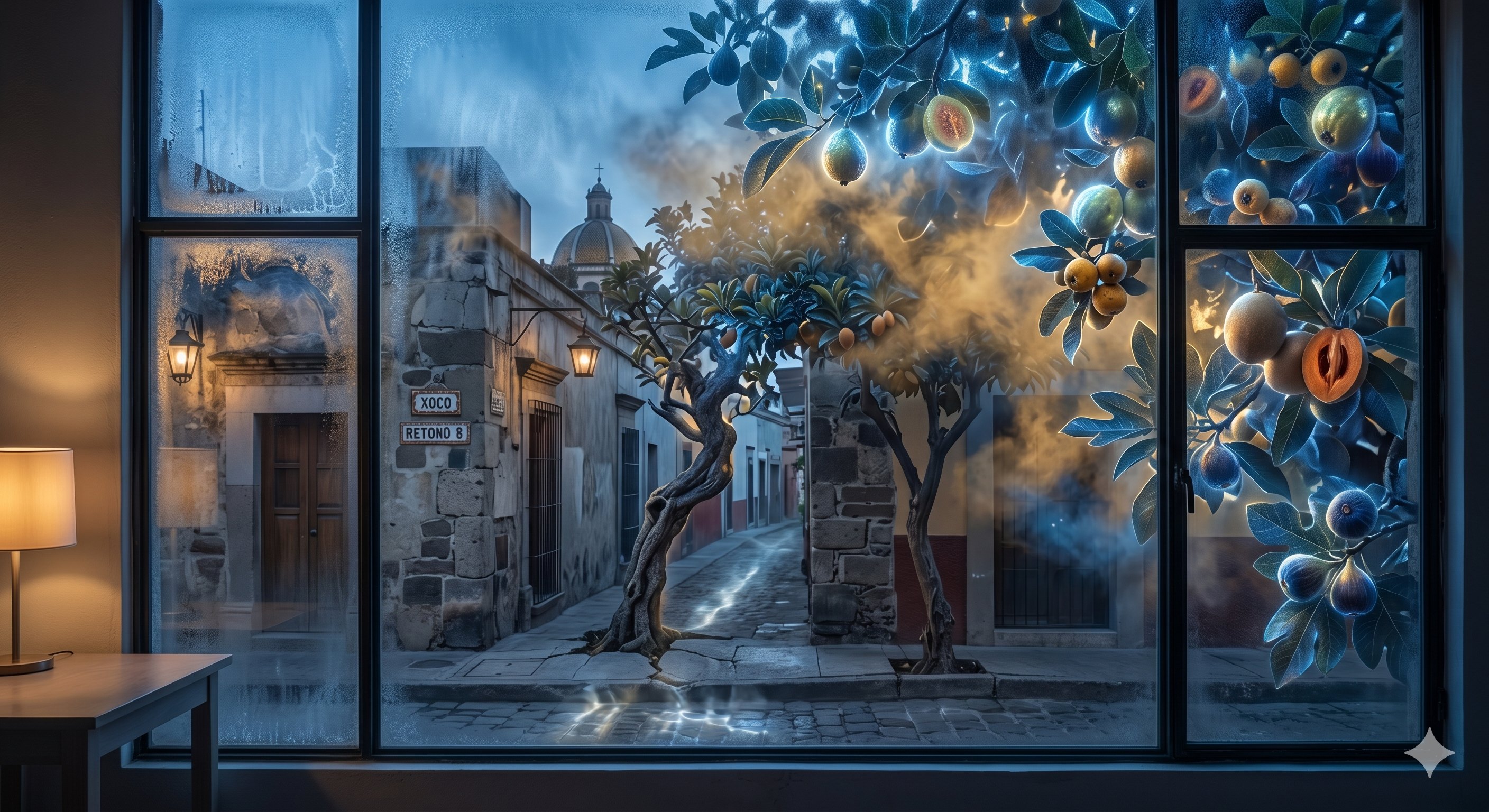
Teotihuacan memory · Living
Tercera Cerrada Retoño 8 · Benito Juárez · Mexico City
The Night Orchard of Xoco is told around Tercera Cerrada Retoño 8, Benito Juárez: the scent of ripe fruit appearing in crooked streets where old orchards once stood.
Read full legend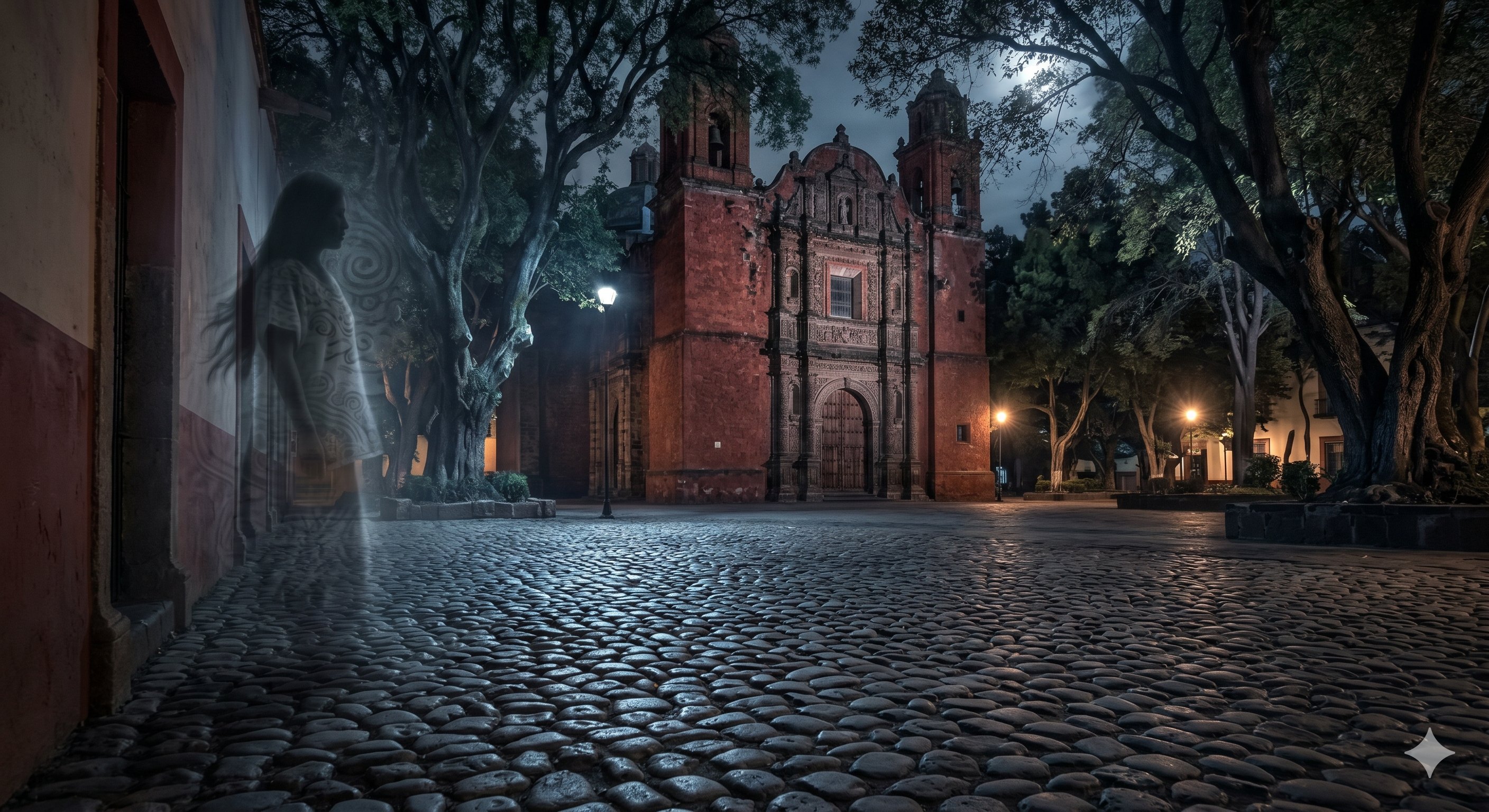
Conquest and colonial memory
Plaza de la Conchita · Coyoacán · Mexico City
Malinche's Shadow in La Conchita is told around Plaza de la Conchita, Coyoacán: a female presence tied to Cortes' first houses and the rumor of a city being born.
Read full legend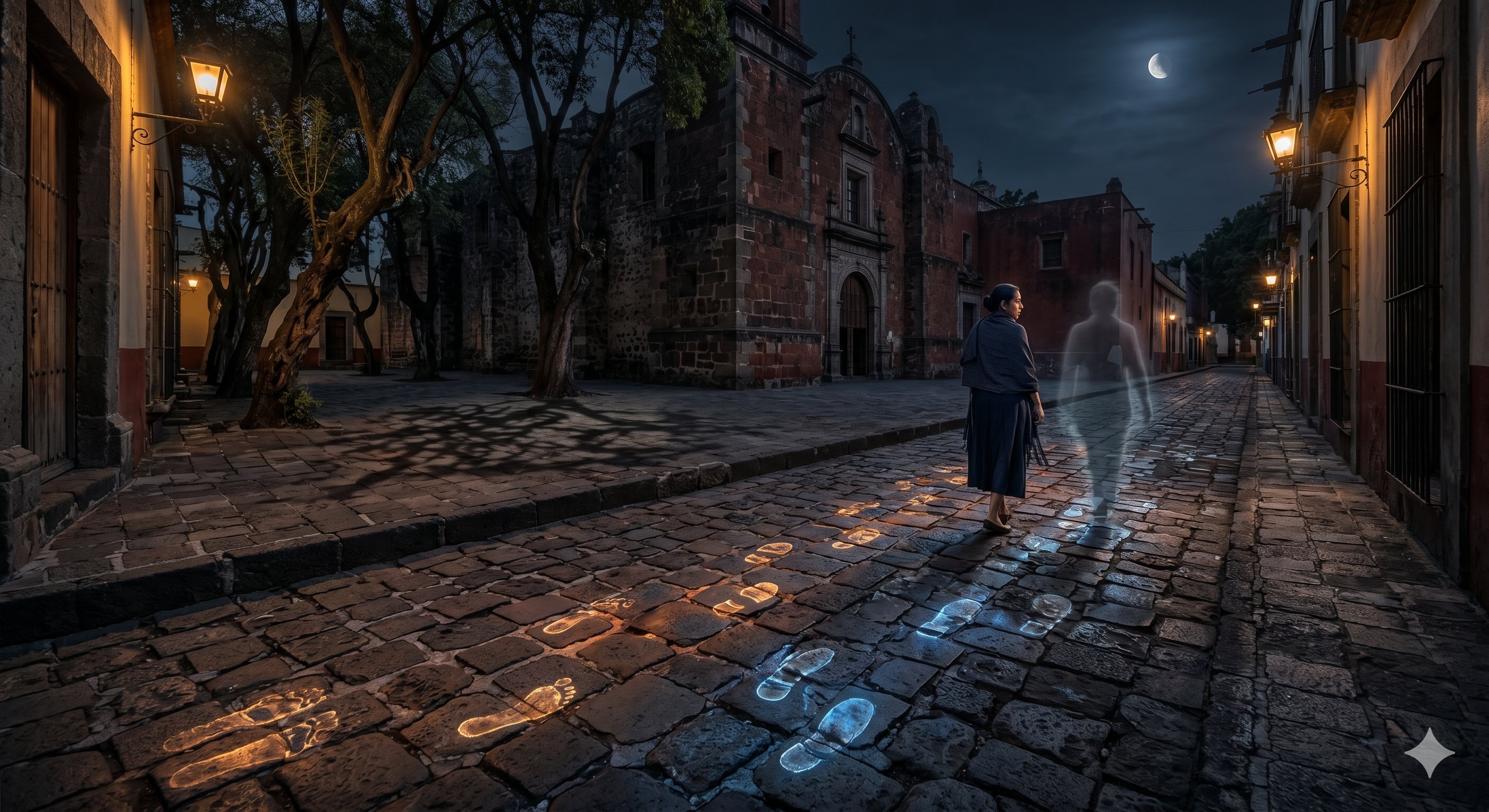
Royal Road · 16th century
Jardín Santa Catarina 10 · Coyoacán · Mexico City
The Listening Stone of Santa Catarina is told around Jardín Santa Catarina 10, Coyoacán: volcanic stones preserving footsteps from the old Royal Road and returning them at dusk.
Read full legend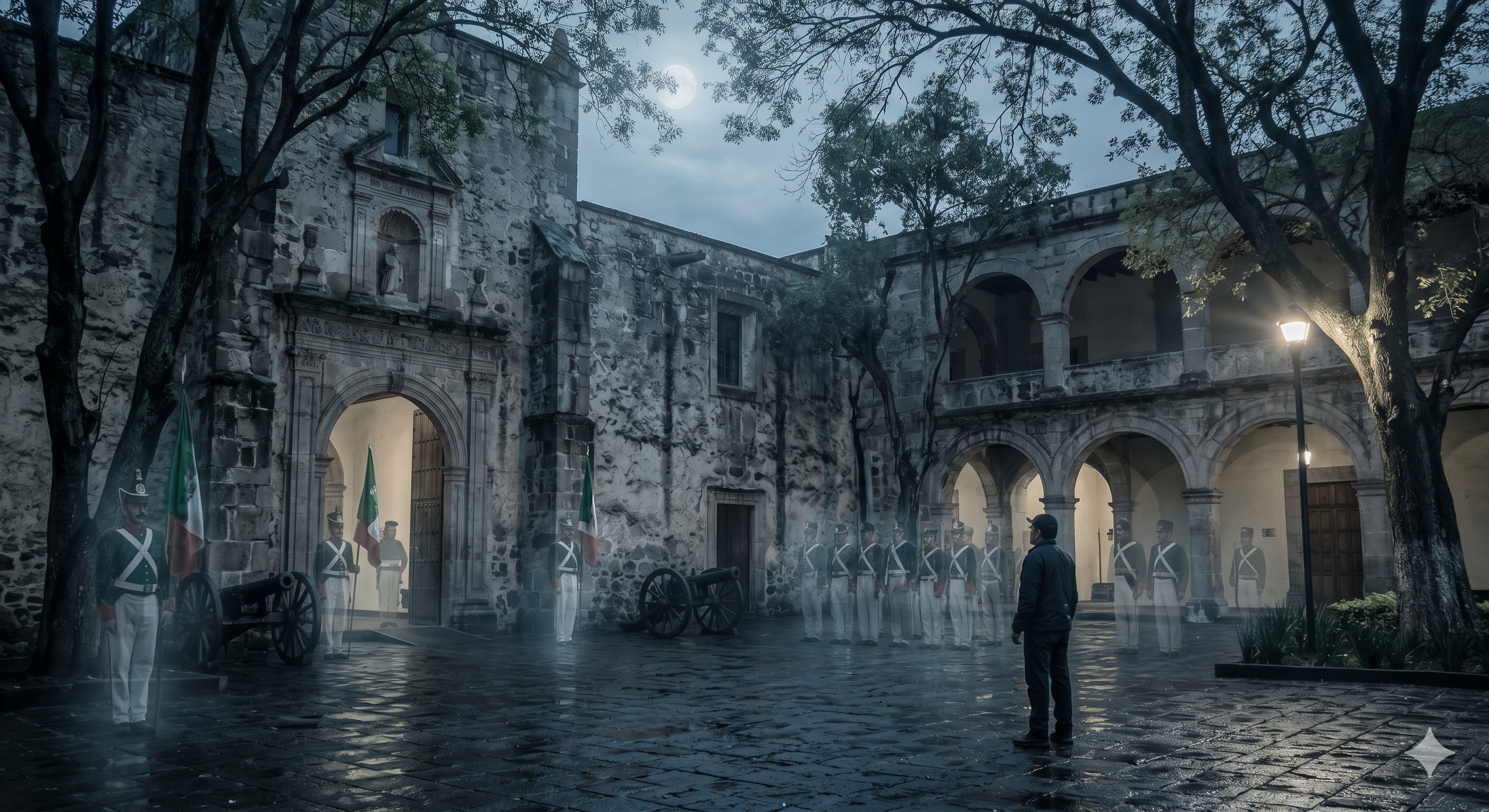
U.S. invasion · 1847
Monumento a los Defensores de Churubusco · Coyoacán · Mexico City
The Defenders Who Haunt Churubusco is told around Monumento a los Defensores de Churubusco, Coyoacán: soldiers still standing guard near the old monastery when the stone grows damp.
Read full legend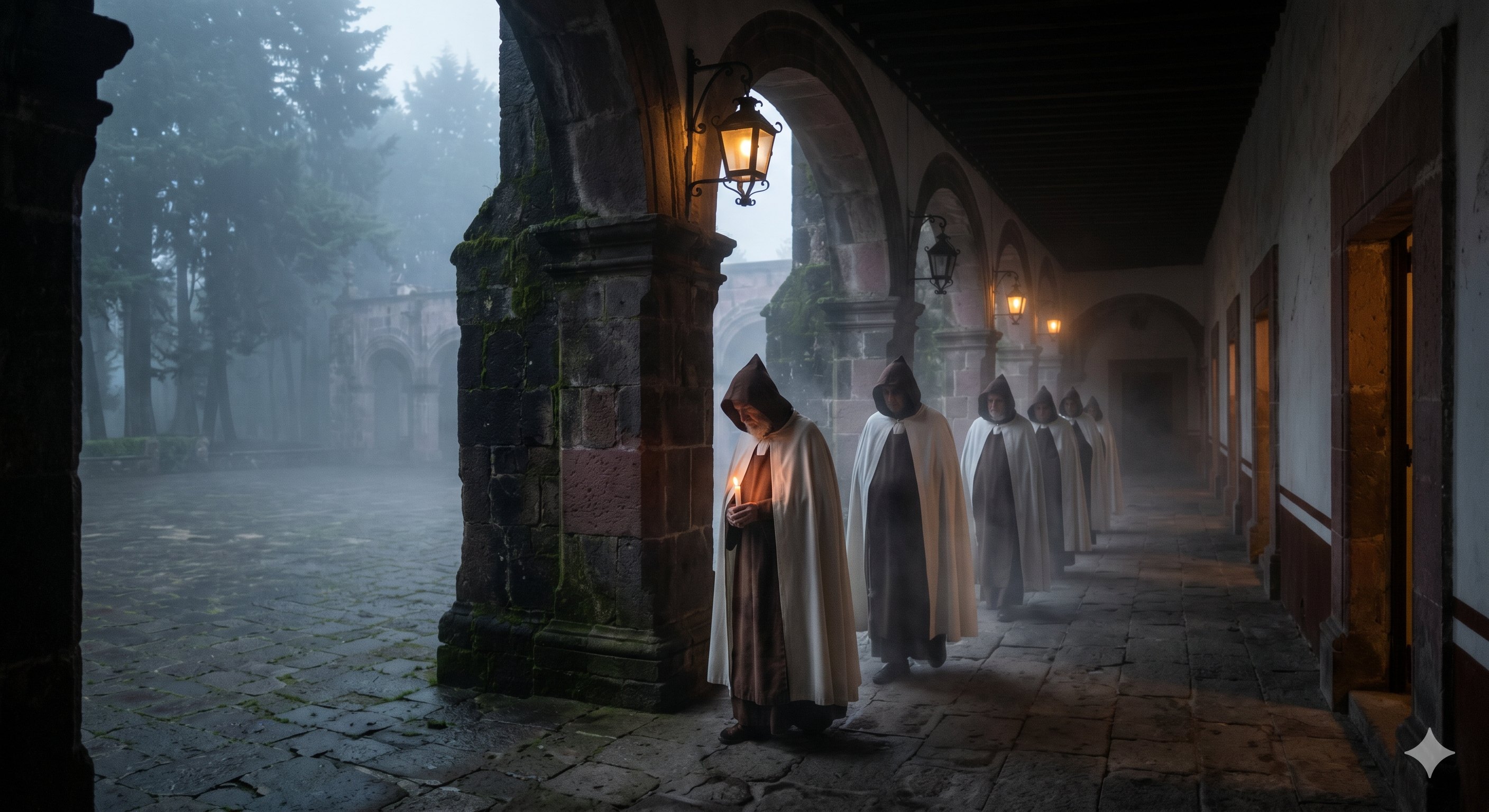
Carmelite retreat · 17th century
Camino al Desierto de los Leones · Cuajimalpa de Morelos · Mexico City
The Monks of Desierto de los Leones is told around Camino al Desierto de los Leones, Cuajimalpa de Morelos: low prayers seeming to leave the cells when fog closes over the forest.
Read full legend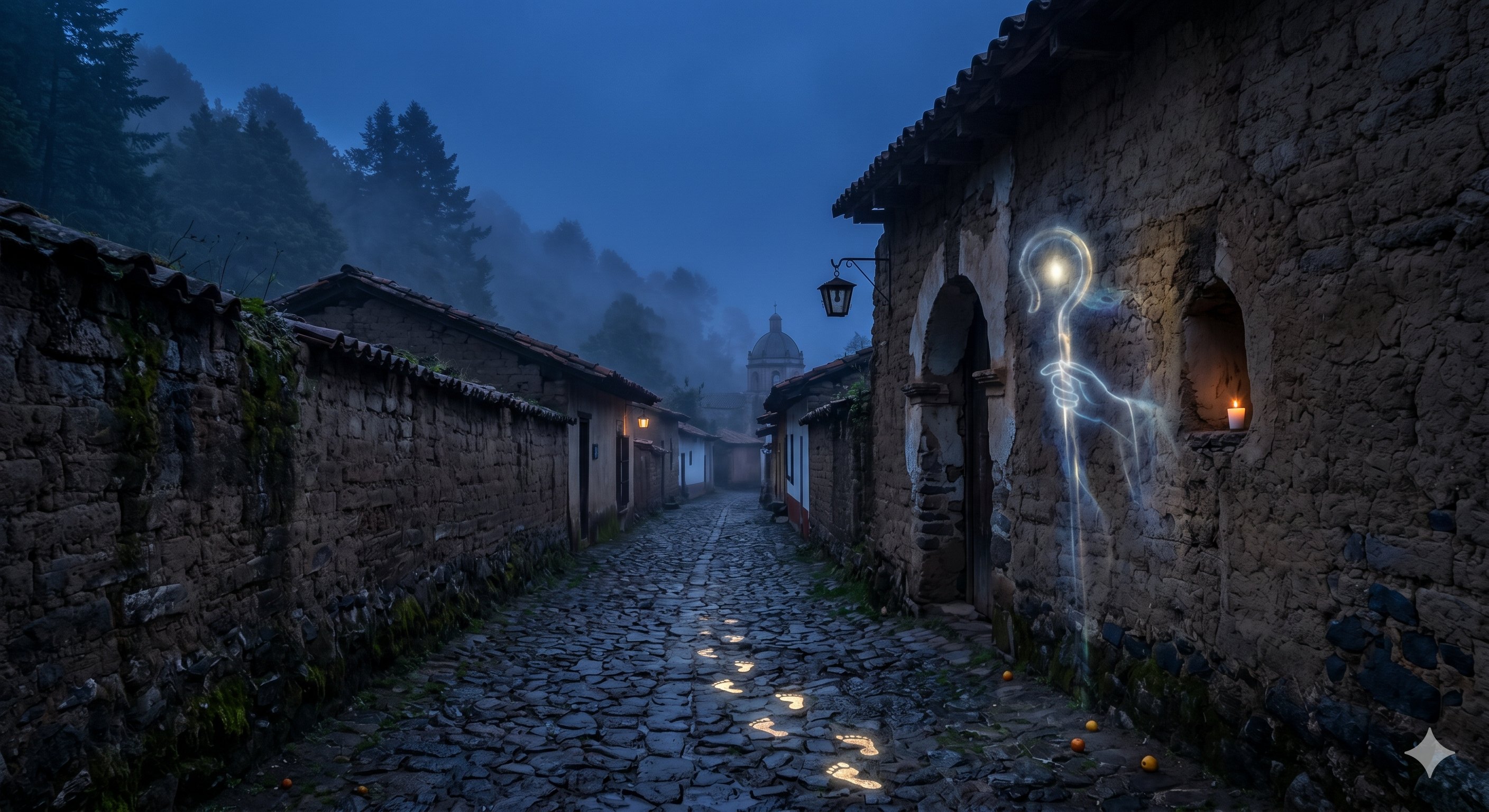
Franciscan devotion · 16th century
Hidalgo s/n, San Mateo Tlaltenango · Cuajimalpa de Morelos · Mexico City
Saint John's Sign in Tlaltenango is told around Hidalgo s/n, San Mateo Tlaltenango, Cuajimalpa de Morelos: a saint's sign said to have guided friars among earthen walls.
Read full legend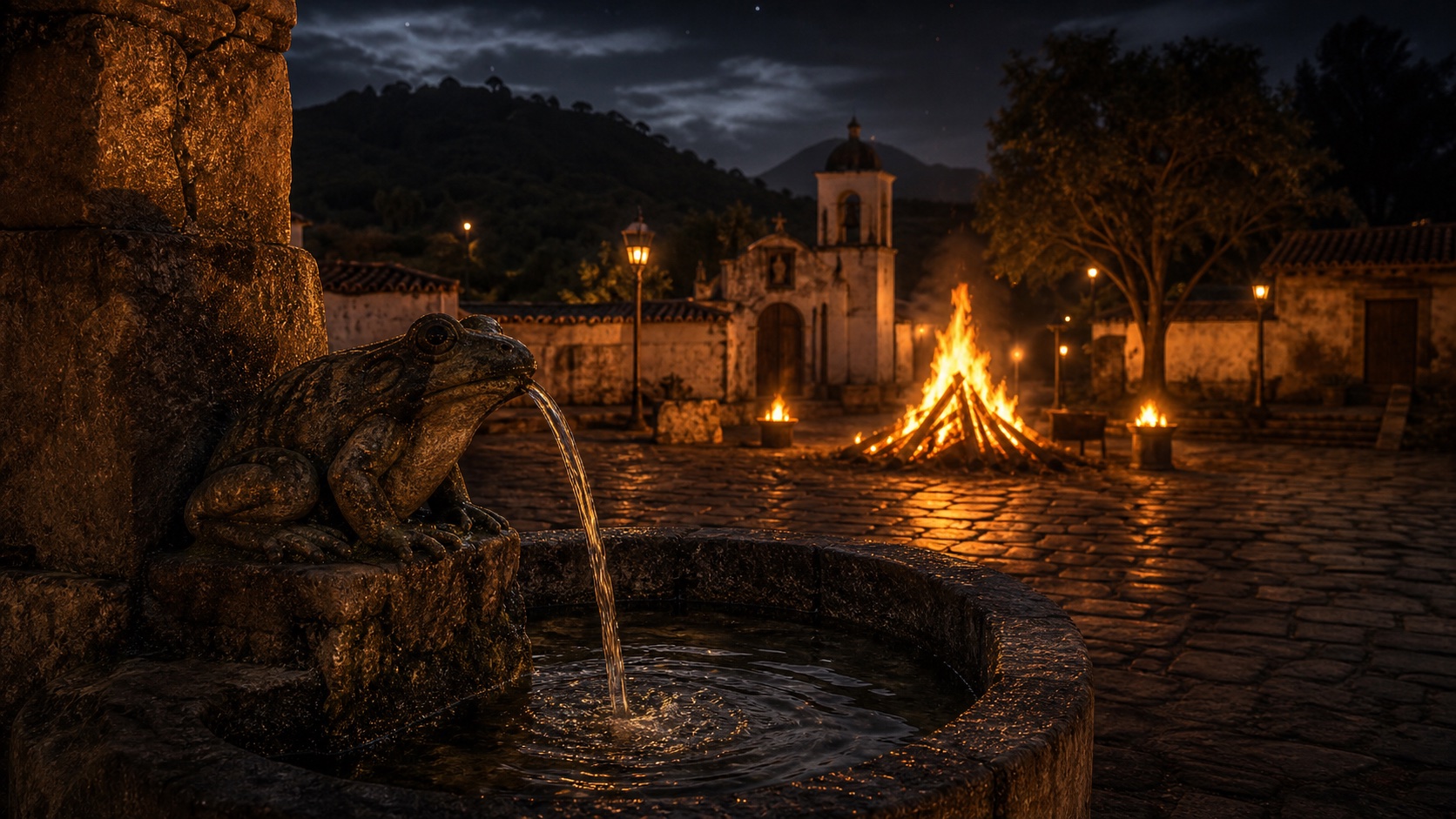
Colonial ranching memory
Avenida Arteaga y Salazar 573 · Cuajimalpa de Morelos · Mexico City
The Little Frog That Counts Cattle is told around Avenida Arteaga y Salazar 573, Cuajimalpa de Morelos: a fountain that seems to count lost animals when December bonfires light the town.
Read full legend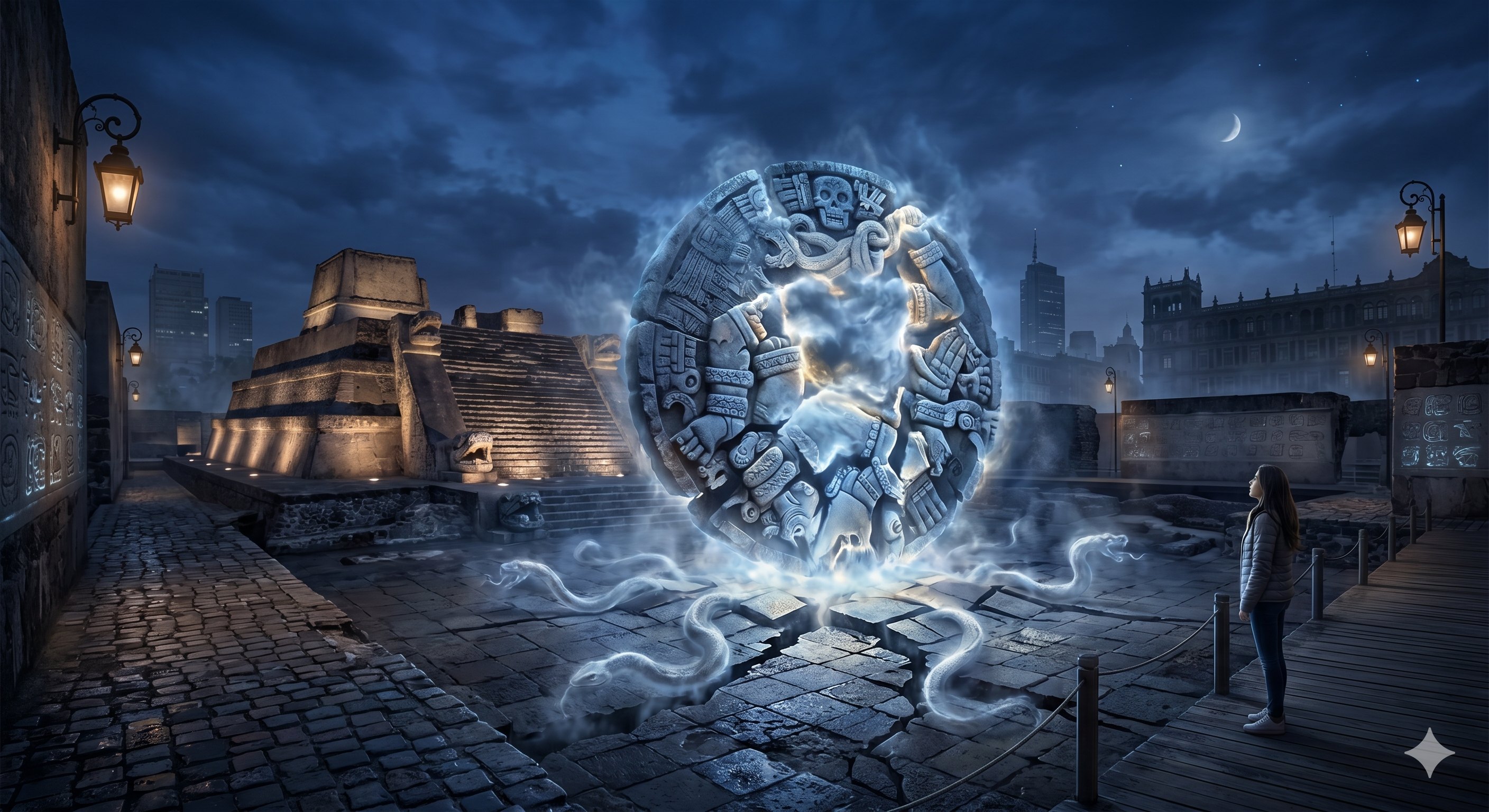
Mexica memory · Living
Seminario 8, Centro Histórico · Cuauhtémoc · Mexico City
The Broken Moon of the Templo Mayor is told around Seminario 8, Centro Histórico, Cuauhtémoc: a fragmented moon goddess turning excavation into omen and memory.
Read full legend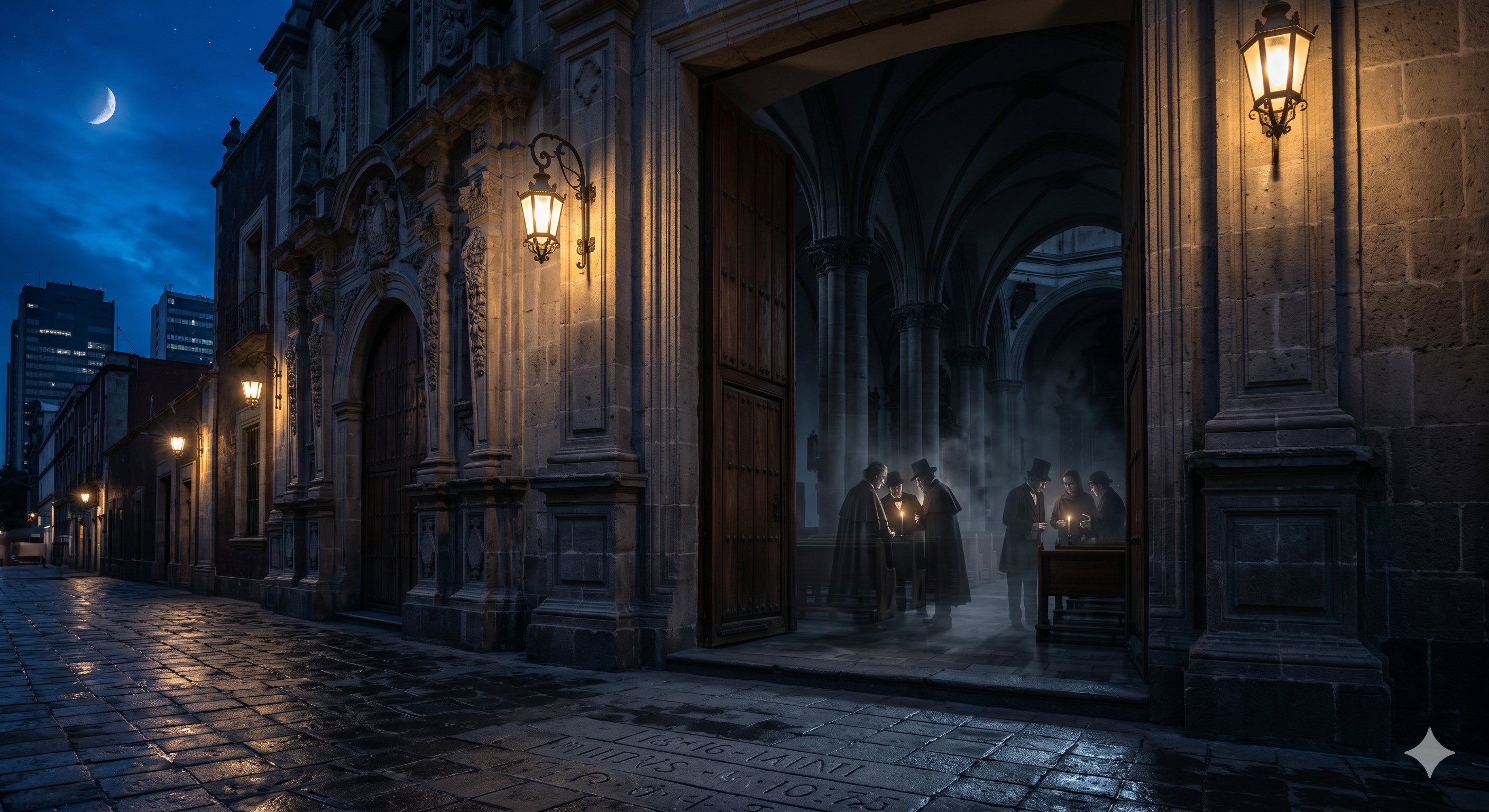
La Profesa conspiracy · 1820
Isabel La Católica 21 · Cuauhtémoc · Mexico City
The Whispers of La Profesa is told around Isabel La Católica 21, Cuauhtémoc: voices from secret meetings seeming to remain in the church's dark naves.
Read full legend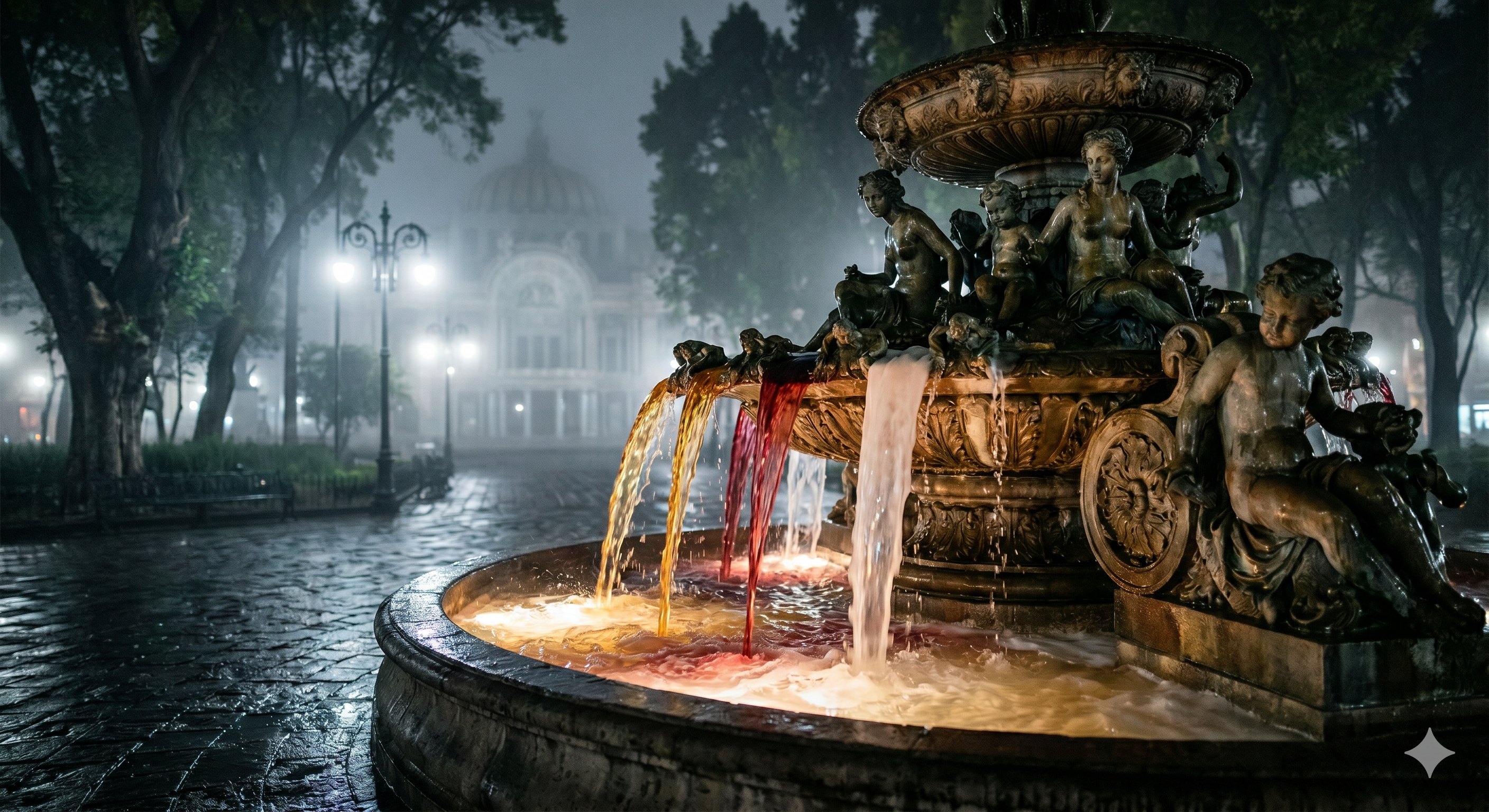
Urban tradition · 19th century
Avenida Juárez s/n · Cuauhtémoc · Mexico City
The Drunken Fountains of the Alameda is told around Avenida Juárez s/n, Cuauhtémoc: the old story of fountains filled with alcohol, turning public space into feast and warning.
Read full legend
Mesoamerican and Guadalupan syncretism
Parque Nacional El Tepeyac · Gustavo A. Madero · Mexico City
The Ancient Mother of Tepeyac is told around Parque Nacional El Tepeyac, Gustavo A. Madero: a ceremonial hill where devotion changes name without leaving the place.
Read full legend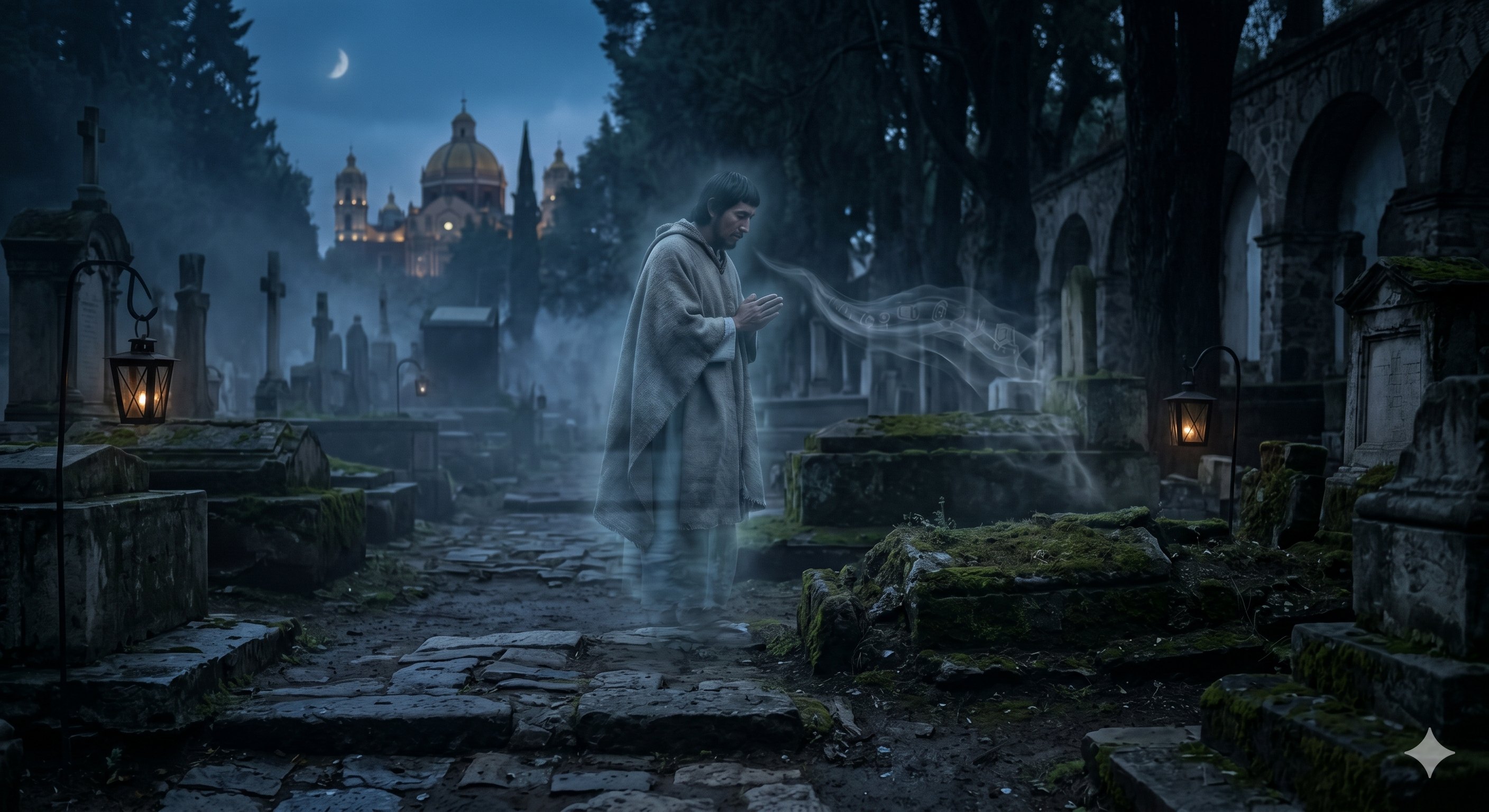
Guadalupan devotion · 16th century
M. Salas s/n, Villa Gustavo A. Madero · Gustavo A. Madero · Mexico City
The Grave That Seeks Juan Diego is told around M. Salas s/n, Villa Gustavo A. Madero, Gustavo A. Madero: a cemetery preserving an old version of a burial that cannot be fully verified.
Read full legend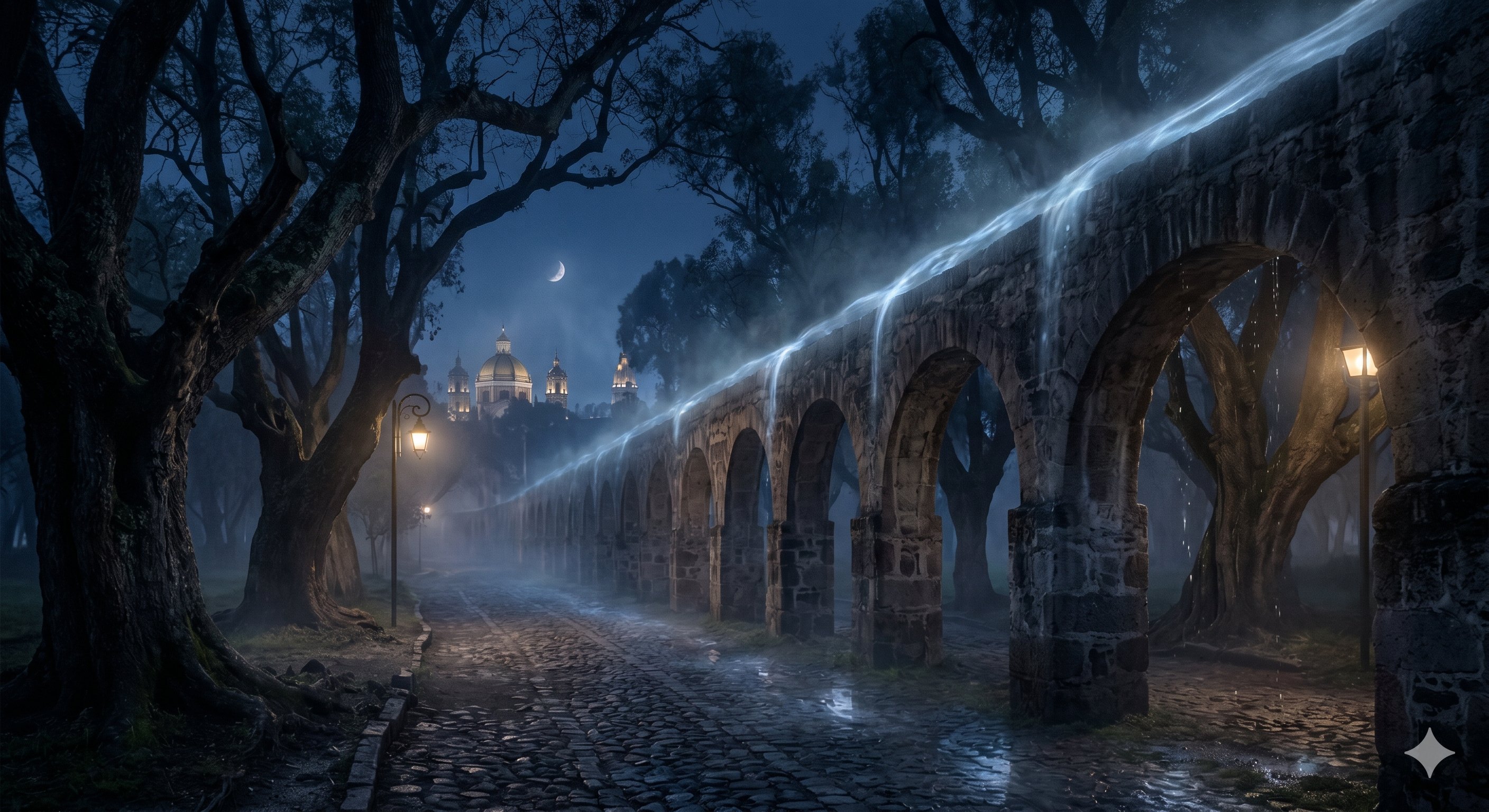
Colonial hydraulic work · 18th century
Acueducto de Guadalupe · Gustavo A. Madero · Mexico City
The Water That Won't Leave La Villa is told around Acueducto de Guadalupe, Gustavo A. Madero: colonial arches that seem to keep carrying water on dry nights.
Read full legendSelection
An editorial entry point into the stories, places, and routes of the map.

Xochimilco, Mexico City

Guanajuato, Guanajuato

Córdoba, Veracruz

Guadalajara, Jalisco

Oaxaca de Juárez, Oaxaca

San Cristóbal de las Casas, Chiapas
Guided readings
Three journeys through the Mexican colonial imagination.
Legends that live in the shadow of Popocatépetl and Iztaccíhuatl. Faceless riders, ash sentinels, and lamenting forests.
Stories of sorcery, nahualismo, and powers the Inquisition tried to silence forever.
Impossible loves and broken promises that colonial time could not contain.
New additions
The most recent additions to the map.

Cuauhtémoc, Mexico City

Gustavo A. Madero, Mexico City

Gustavo A. Madero, Mexico City

Gustavo A. Madero, Mexico City
Geography
77 legends across 16 states of the Mexican Republic.