Full legend
The story
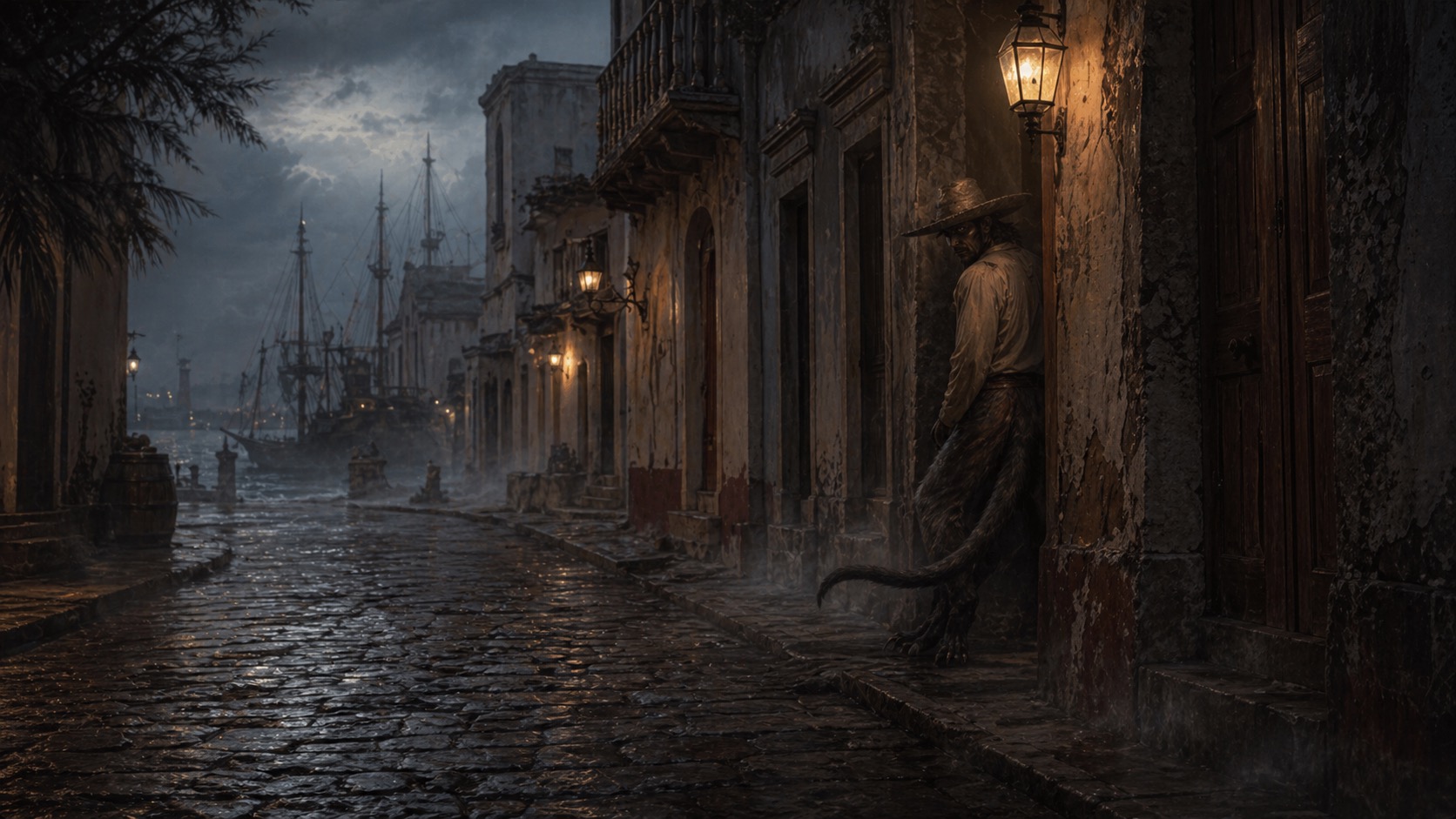
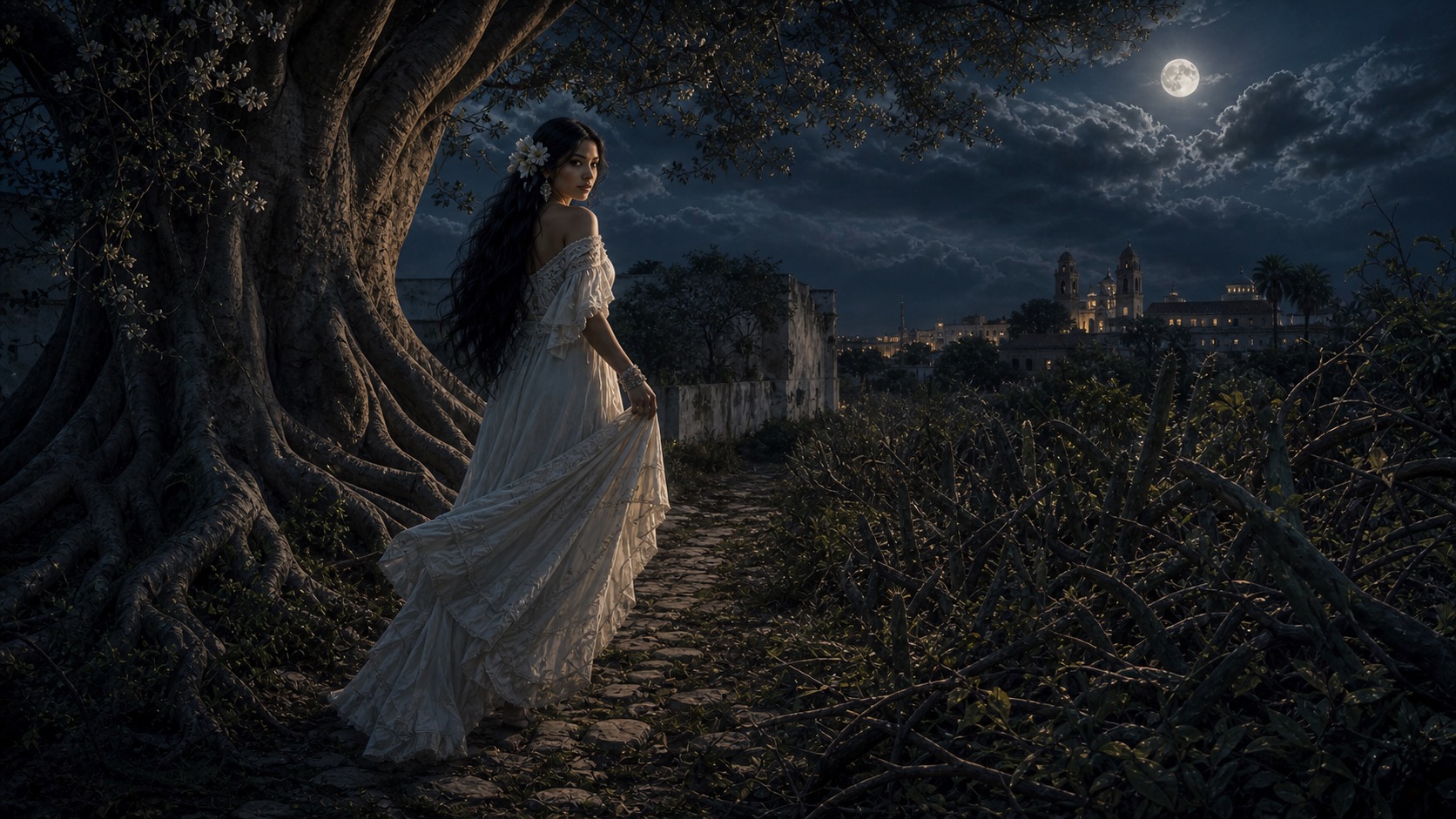
Accused of witchcraft by the Holy Inquisition, the Mulata of Cordoba was locked in the darkest cell. On the night before her execution, she drew a ship on the wall and escaped in it forever. No one ever saw her again.
What keeps the tale alive in Córdoba is the suspicion that the night still belongs, at least in part, to powers and forms of knowledge that orderly daylight never fully displaced.
The Mulata of Córdoba continues to matter because it leaves room for ambiguity. Whether the presence protects, tempts, or tests, the legend preserves the idea that territory still exceeds ordinary explanation.
Oral memory
Origin of the story
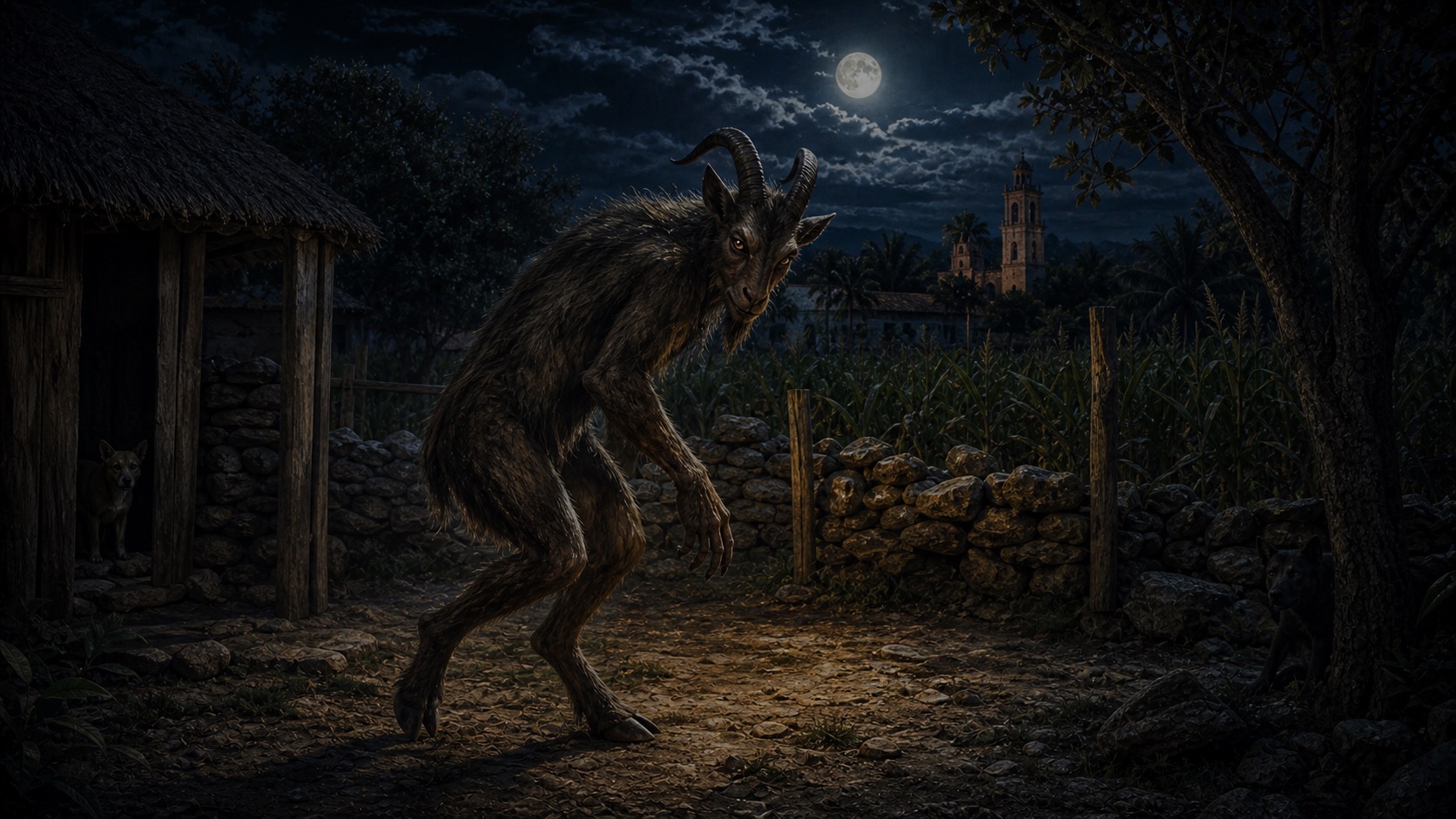
Its origin lies in the overlap between oral tradition and the enduring suspicion that certain people, animals, or night presences move between visible and invisible forms. In Córdoba, that ambiguity remains part of the story's authority.
Territory
Territory and atmosphere
Córdoba, Veracruz, sits within Central mountains of Veracruz. That setting matters to the legend because the built environment, the local weather, and the sensory character of the place give the story a believable stage. Sound, mist, architecture, old roads, vegetation, and topography all help explain why this tale continues to feel anchored to a particular landscape rather than floating free of it.
Cultural reading
Cultural reading
Its cultural value lies in preserving a worldview where transformation, hidden knowledge, and the opacity of the night remain possible. The tale resists the idea that every territory is fully legible by daylight terms.