Full legend
The story
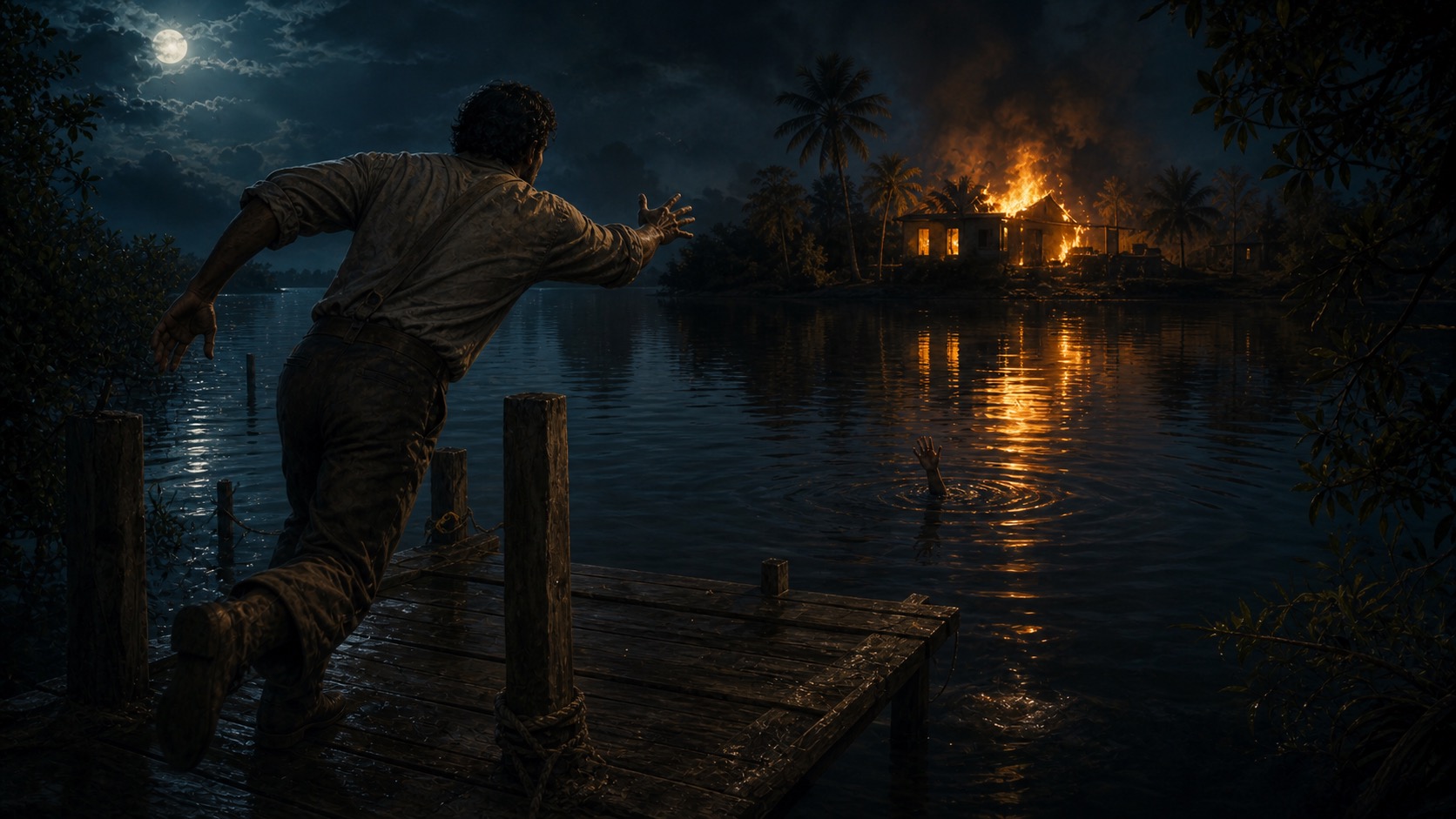
The Carpenter's Lagoon inherited more than a name: it inherited the memory of a trade and a desperate gesture. Tradition remembers a man who risked his life between fire and water to save the woman he loved, leaving in the landscape a form of mourning that still names the place.
The story endures in Tampico because the setting turns impossible affection into ritual memory: architecture, custom, and silence become the stage where a bond survives precisely because it could not be fulfilled in life.
The Carpenter of the Lagoon remains persuasive because it remembers the emotional cost of hierarchy. The place keeps the feeling alive, and the feeling in turn keeps the place from becoming a mute monument.
Oral memory
Origin of the story
The legend survives as an oral record of a love constrained by family, rank, race, or religious authority. Its emotional force comes from the way local memory keeps the bond alive even after the social order tried to erase it.
Territory
Territory and atmosphere
Tampico, Tamaulipas, sits within Huasteca port and lagoon system. That setting matters to the legend because the built environment, the local weather, and the sensory character of the place give the story a believable stage. Sound, mist, architecture, old roads, vegetation, and topography all help explain why this tale continues to feel anchored to a particular landscape rather than floating free of it.
Cultural reading
Cultural reading
Its cultural force lies in converting private feeling into public memory. The legend exposes the violence of the rules that separated the lovers and leaves the place marked by that refusal.