Full legend
The story
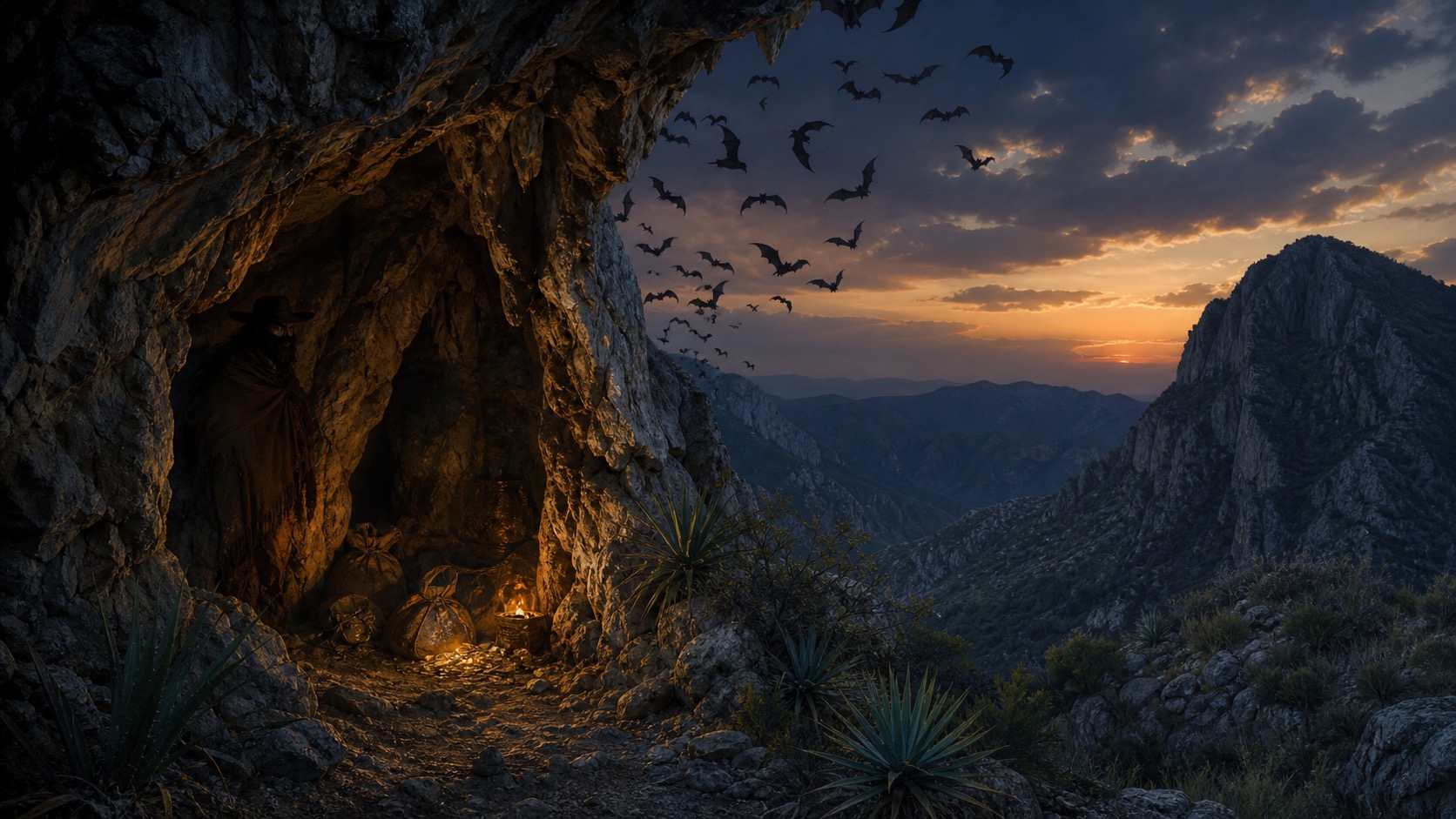
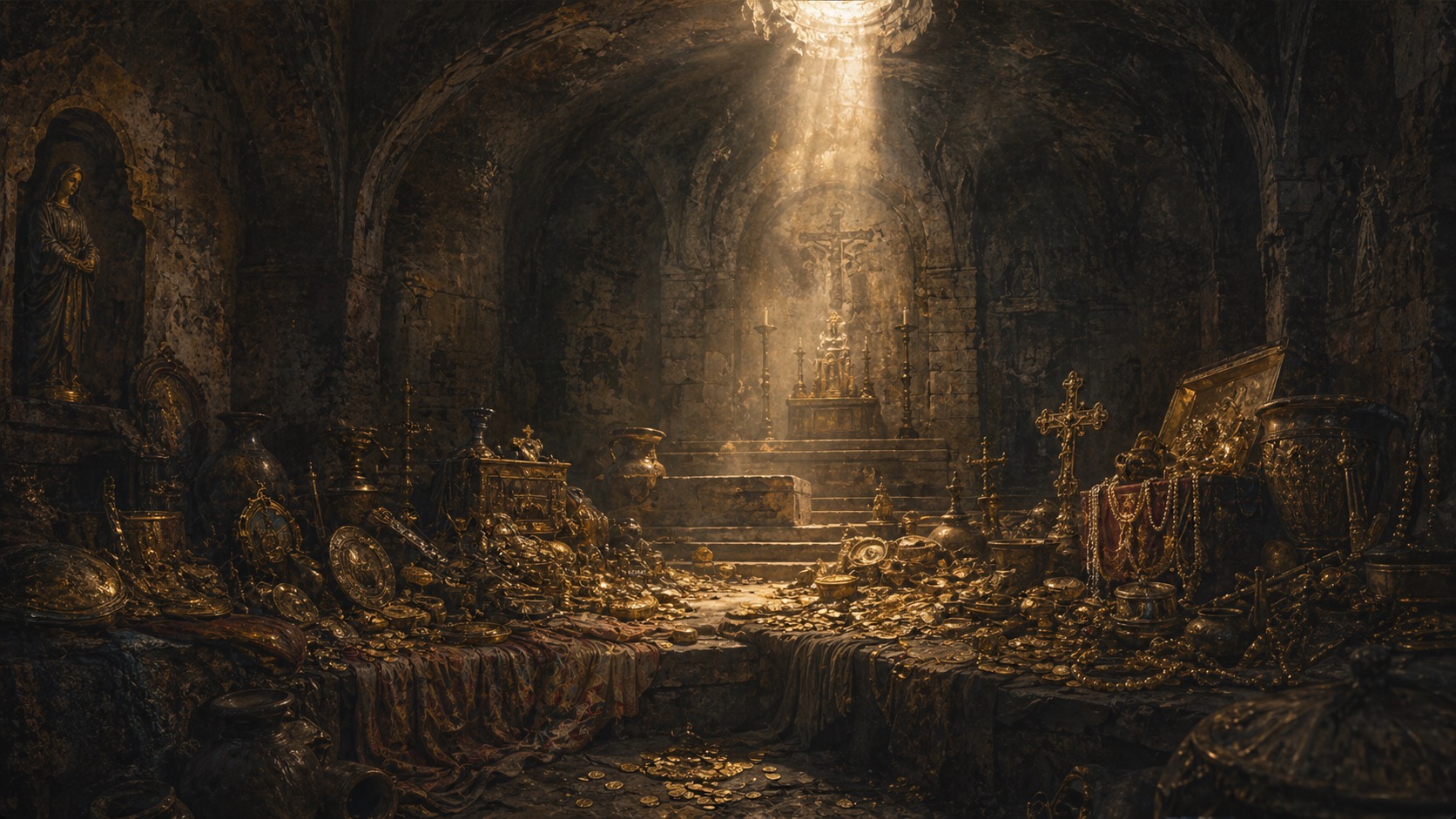
Beneath the monumental Christ the King statue on Cerro del Cubilete, local lore places underground chambers filled with the gold the Cristeros hid during the war. Those who have gone looking for them never return unchanged.
Told in Silao, the legend never presents wealth as innocent. Hidden treasure, sudden fortune, and dangerous bargains all carry the same warning: what is taken from the land or from memory always demands repayment.
The Treasure of Cubilete persists because it turns desire into a moral landscape. The warning is clear: fortune that arrives too quickly usually comes attached to a silence, a debt, or a shadow that someone else has already paid for.
Oral memory
Origin of the story
The tale is rooted in the recurring promise of hidden wealth and the danger attached to obtaining it. Local versions emphasize that fortune never appears alone: it arrives with a bargain, an inheritance of violence, or a cost deferred in time.
Territory
Territory and atmosphere
Silao, Guanajuato, sits within Heart of the Bajío. That setting matters to the legend because the built environment, the local weather, and the sensory character of the place give the story a believable stage. Sound, mist, architecture, old roads, vegetation, and topography all help explain why this tale continues to feel anchored to a particular landscape rather than floating free of it.
Cultural reading
Cultural reading
As a cultural reading, the story warns against ambition detached from ethics. Treasure, easy fortune, and dangerous bargains all become metaphors for extraction without responsibility.