Full legend
The story
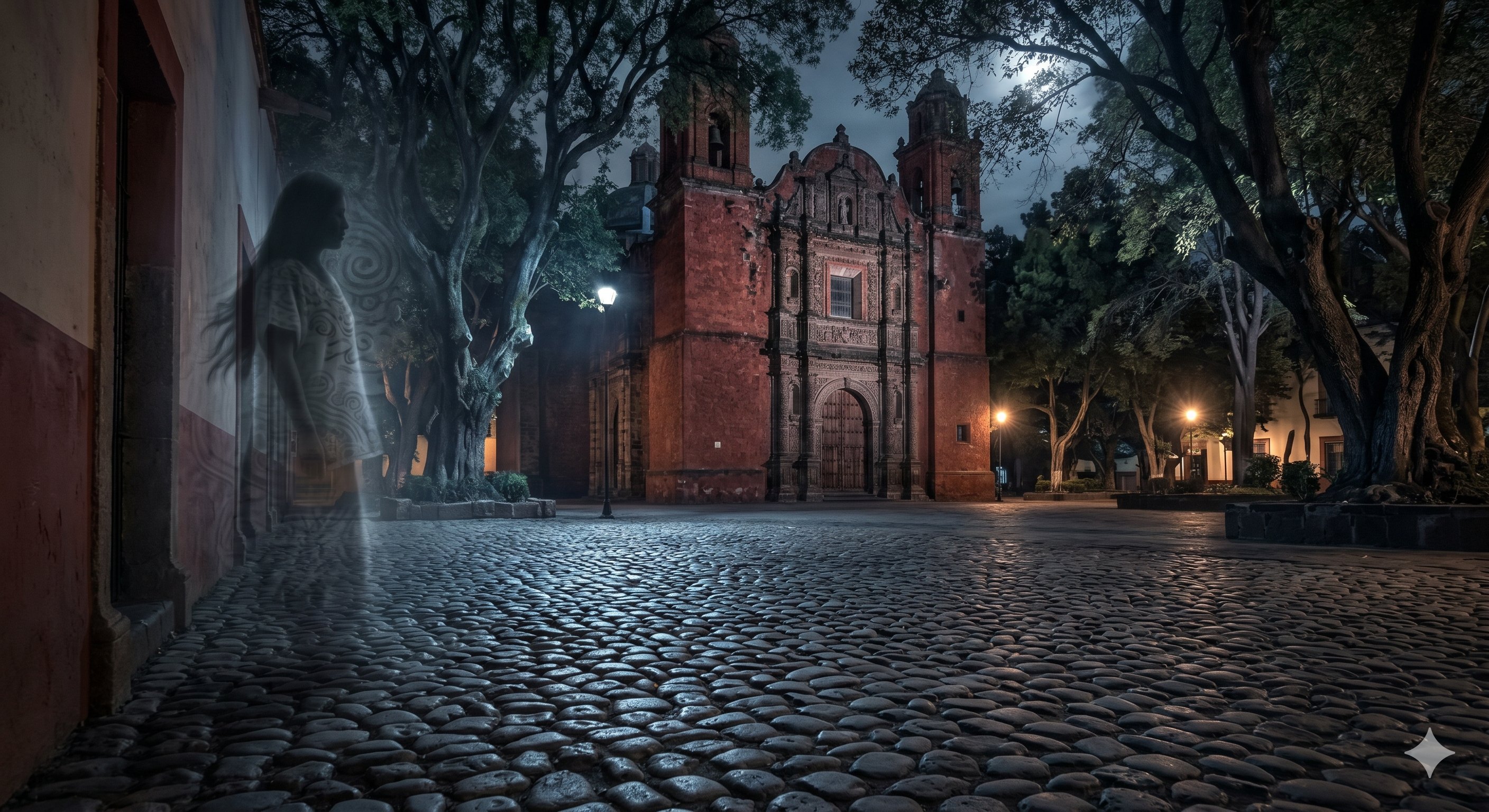
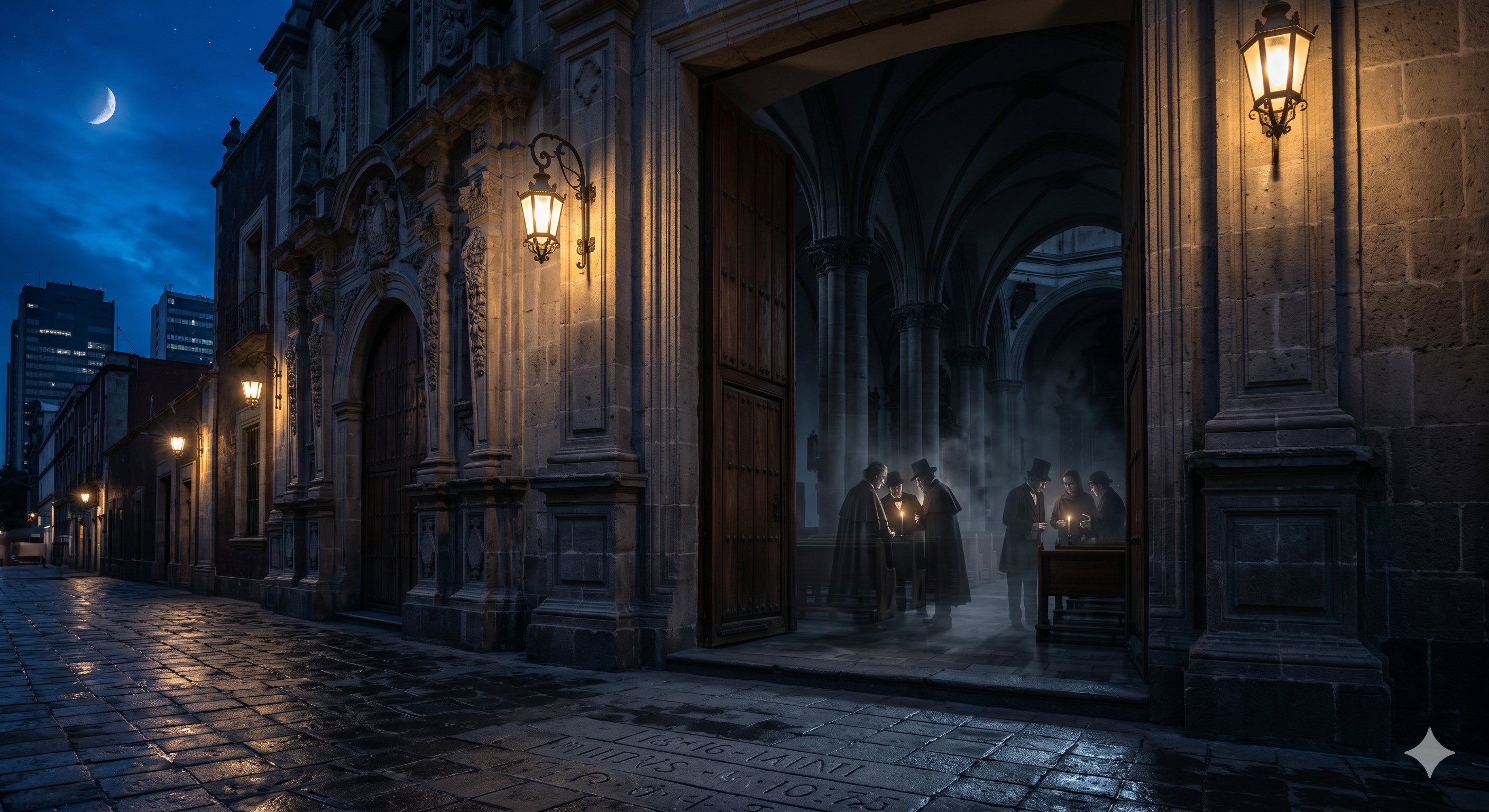
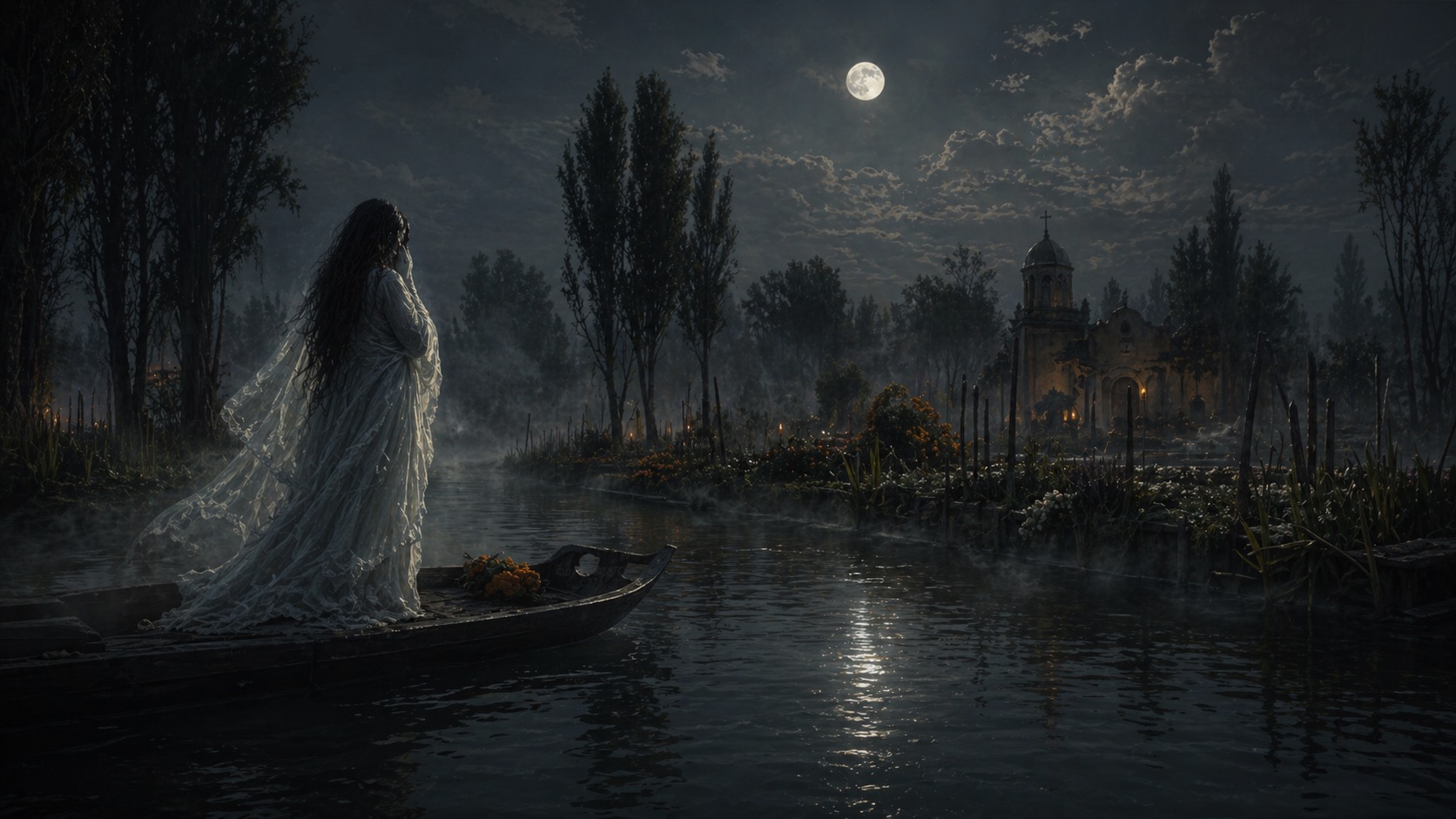
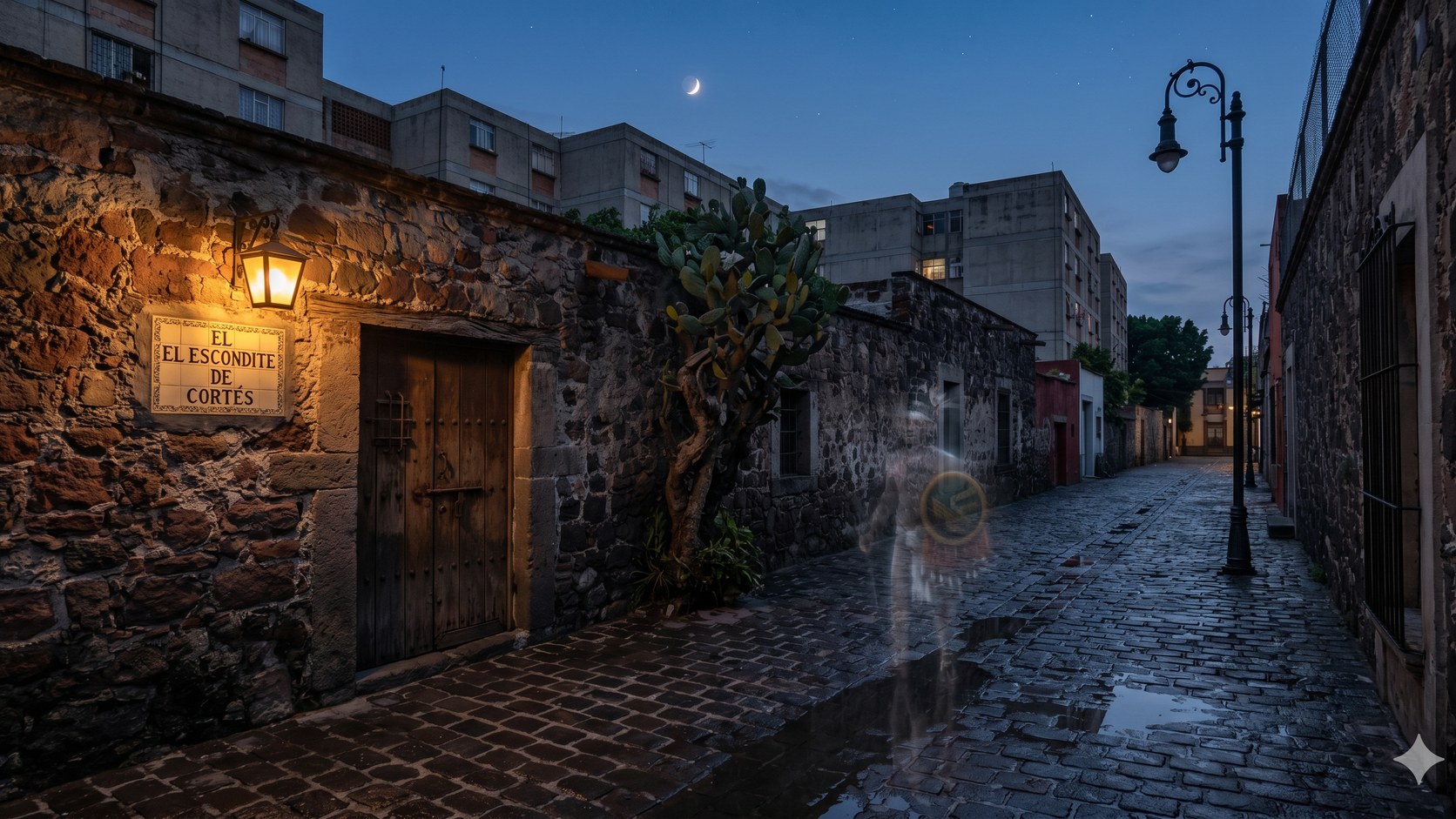
In the heart of Unidad Cuitláhuac, where the old neighborhood of San Juan Huacalco survives in Azcapotzalco, history refuses to be buried by asphalt. Local chroniclers and the oldest residents say that the legend of "Cortes' Hiding Place" comes to life only when the city's pulse stops at that "strange hour": that moment of absolute silence when the neighborhood reclaims its Tepanec memory and warily observes those who walk through it.
The apparition does not announce itself with wailing or terror; it begins with a heaviness in the air, a palpable duality. It manifests as the shadow of a refuge attributed to the conquistador during his desperate flight during the Noche Triste (Sorrowful Night), but it is immediately confronted by an indigenous memory, older and deeper, that resists disappearing. It is as if the alley opens a crack to the year 1520, allowing what remains unfinished between two worlds to seep through.
Neighbors assure that this presence does not seek to scare out of malice. It makes itself felt as an act of cultural resistance, so that no one forgets what was there before modernity: Tepanec Huacalco, its ancient devotions, its warrior grief, and the footsteps of those who forged this territory. Therefore, the legend is anchored to its exact geography; it needs that specific corner, that square, or that ancient wall to take shape. The memory of Huacalco does not allow itself to be archived; it always returns as a shadow, a stone, or as a repeated name that the wind refuses to silence.
Oral memory
Origin of the story
Cortes' Hiding Place in Huacalco grows from a popular reading of Huacalco tepaneca. The cited source anchors the site and its historical context; the legend uses that ground to tell what the neighborhood imagines, fears, or preserves.
Territory
Territory and atmosphere
The story is set at Unidad Cuitláhuac, San Juan Huacalco. That point is not decorative: the street, plaza, market, church, canal, or hill explains why the apparition is told there and not elsewhere in Azcapotzalco.
Cultural reading
Cultural reading
The key to the tale is a refuge attributed to Cortes and an older Indigenous memory that refuses to disappear. As an urban and neighborhood legend, it turns a territorial detail into warning, memory, or wonder so the local past can keep speaking inside the present city.