Full legend
The story
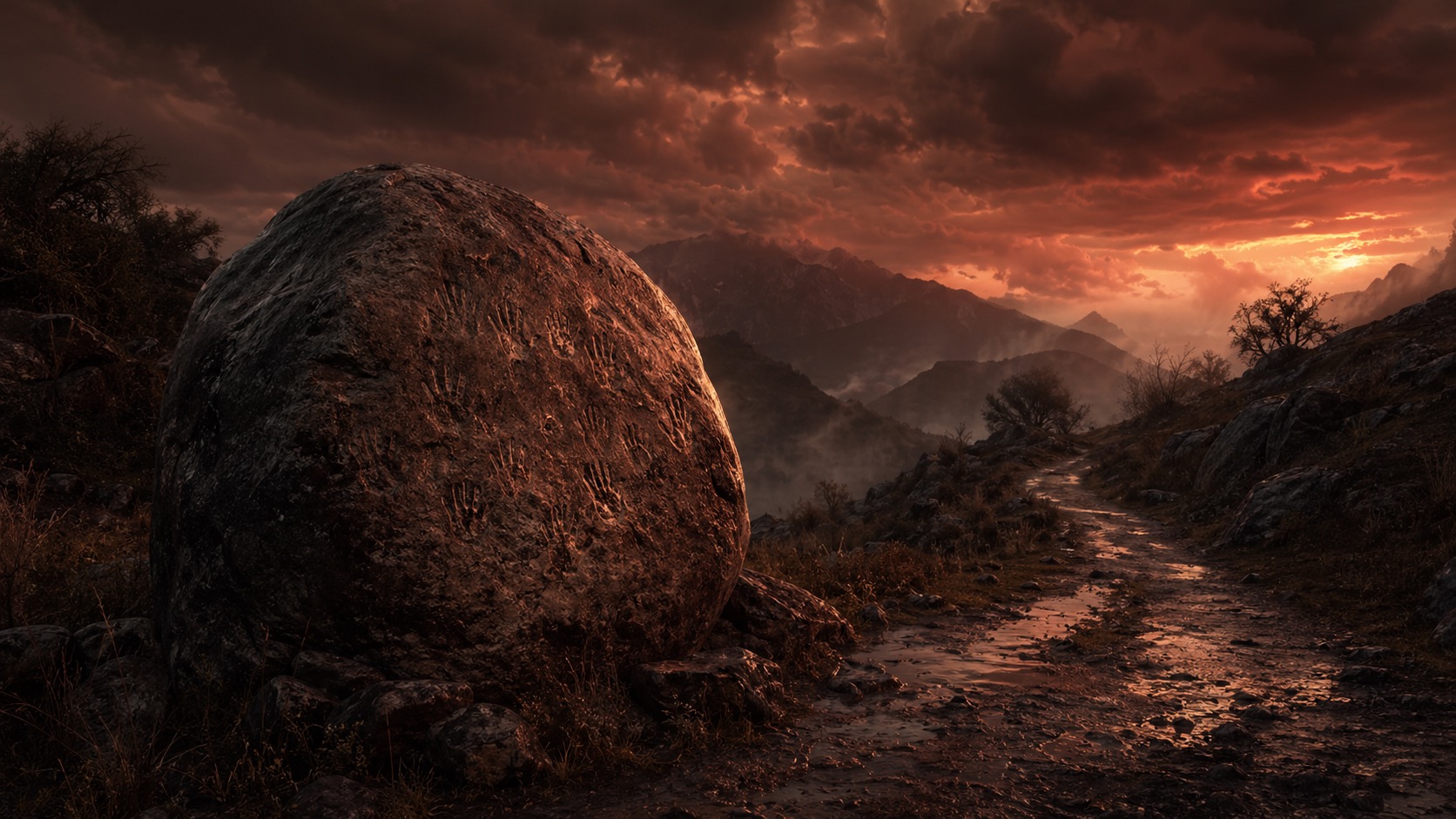
Long ago, a muleteer crossed the mountain before sunrise, hurling curses at saints, crosses, and every promise he had ever made. The fog was low, and the ground still held the heat of the previous day when the man felt the path breathing beneath his boots. Before he could cross himself, the stone split open like strained clay, and from the hollow rose a thick vapor, red within, that made even the pack animals recoil.
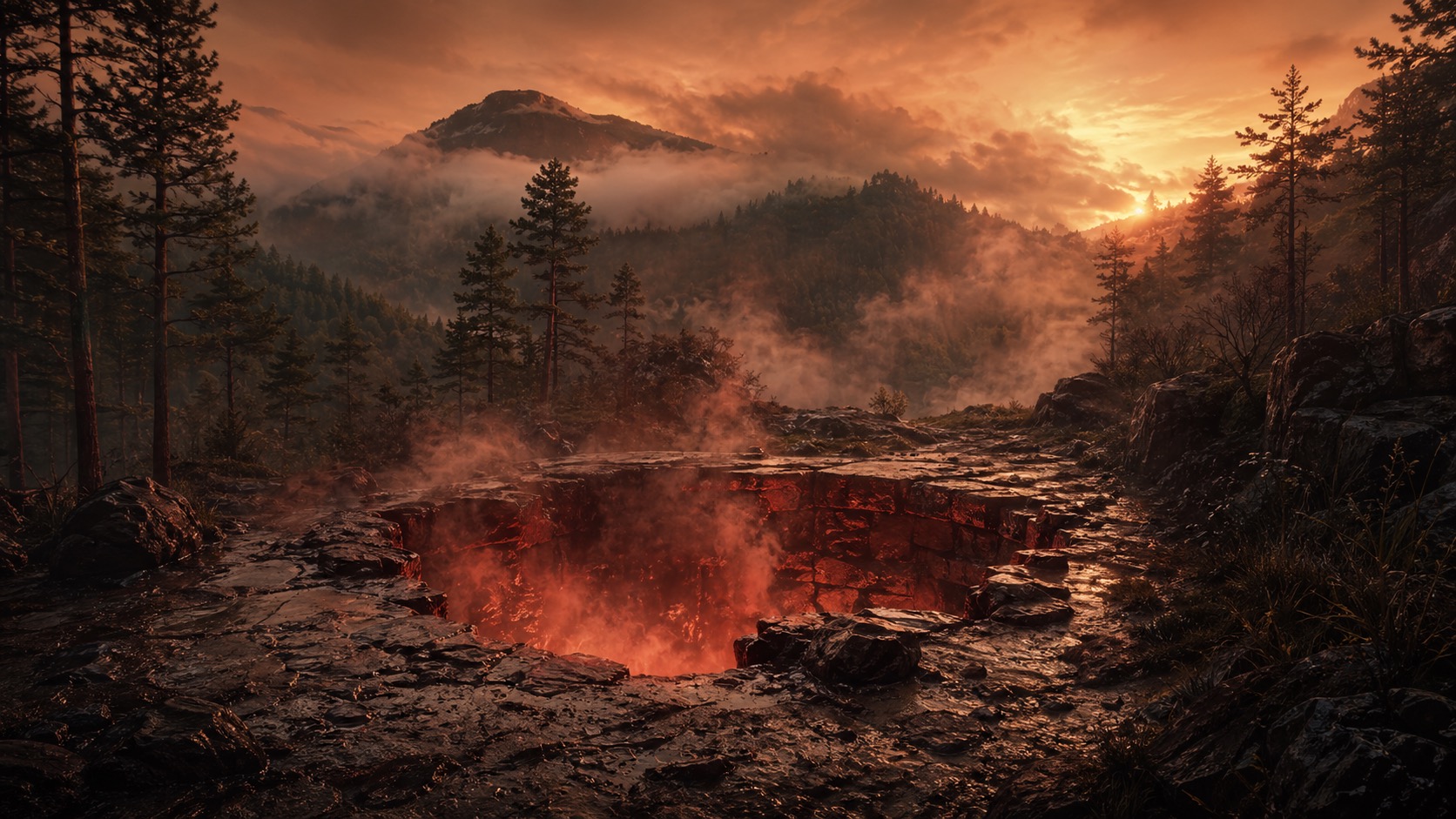
The muleteer vanished on the spot, leaving nothing behind but a scorched lead rope and the echo of a scream swallowed by the ravine. Since then, the cavity exhales at dawn, and no one from the town passes in front of it without lowering their voice. They say it is neither cave nor vent: it is a badly shut gate, a hole in the mountain that opened once to punish arrogance and still waits to hear another impious word.
People also say that one of the mules returned to town alone, its mane singed and its eyes so wild that it refused water for days. That beast, even more than the burned rope, convinced everyone that something real had happened in the mountain. Since then, those who climb before first light glance sideways at the vapor that sometimes rises from the hollow and quicken their pace if they think they hear a sound like breathing under the stone.
No one recommends getting close to prove whether the opening is still there. The mountain, they say, punishes not only the blasphemer but also the vain curiosity of those who want to test it. That is why the story is almost always told in a low voice, as if repeating it too loudly might draw the attention of whatever answered once before. The Little Hell Gate does not need to open again to inspire fear; it is enough that the ground still seems more hollow than it should whenever dawn arrives wrapped in fog.
Oral memory
Origin of the story
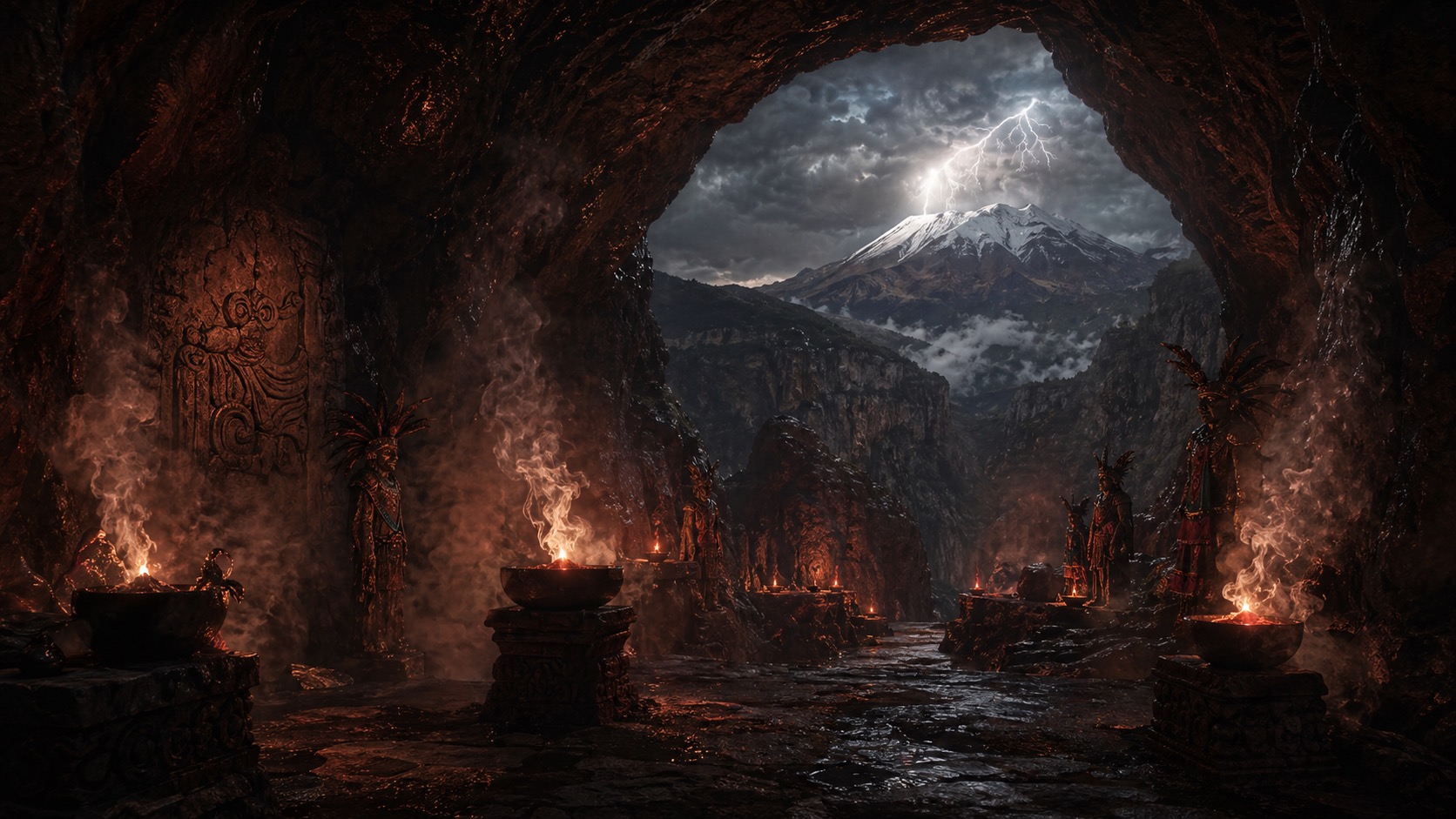
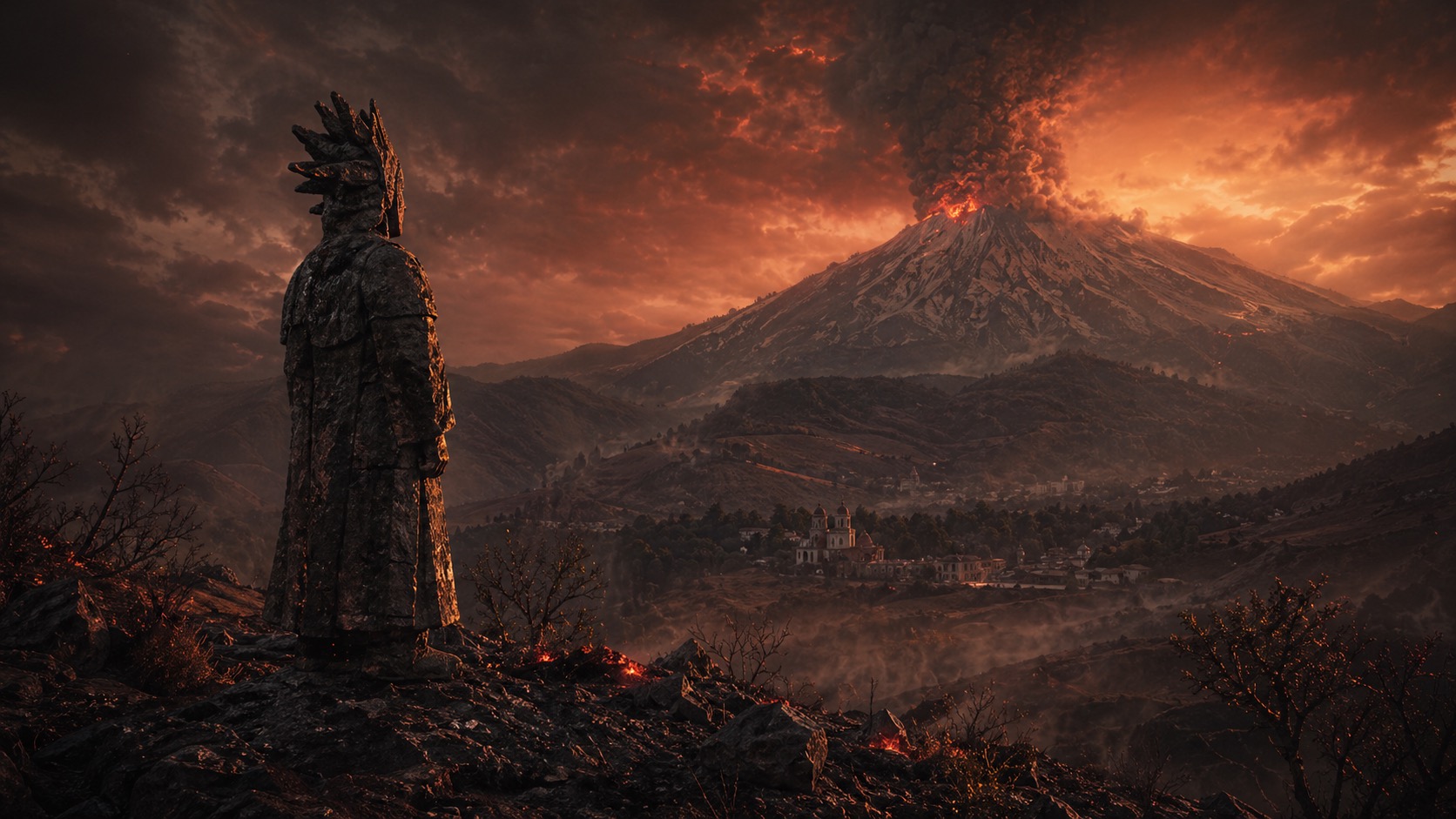
The legend of the Little Hell Gate rests on a very old motif in Mexico's mountain traditions: the idea that certain hollows and breaks in the land are not just geological features but thresholds to another plane. The Tlalmanalco version adds a moral cause. A muleteer cursed the saints in that place, and the earth answered by swallowing him. The steam that rises from the stone hollow on certain cold mornings is, according to local elders, the breathing of that punitive space. The story works as a warning against irreverent language in territories that possess their own authority, and it is told with special insistence in seasons when Popocatepetl grows more active and the landscape reminds everyone that it is not an inert backdrop.
Territory
Territory and atmosphere
At the foot of the range in Tlalmanalco, forest, stone, and vapor can blur into one another in the early hours. The hollow associated with the legend has exactly the right proportions to sustain a story about access to the underworld: deep enough that the bottom cannot be seen well, hidden enough that not everyone knows it firsthand. Cold mornings in the area leave condensation on the rocks and, in certain conditions, something that truly looks like steam rising from the ground. The wooded setting and the nearness of the volcanoes add a real geophysical presence that the legend uses without needing to exaggerate it.
Cultural reading
Cultural reading
The Little Hell Gate turns the landscape into an active judge. It is not a blind force, but one that responds to what happens on its surface. When the muleteer blasphemed, the territory answered in the only way the mountain world knows: by swallowing him. The legend teaches that places possess a dignity that is not metaphorical but literal, and that certain forms of disrespect bring consequences no institution can prevent. In a region marked by living volcanic activity, the story also has a practical use: it keeps people away from zones that may truly be dangerous, using the language of sacred fear rather than warning signs few people would read.